

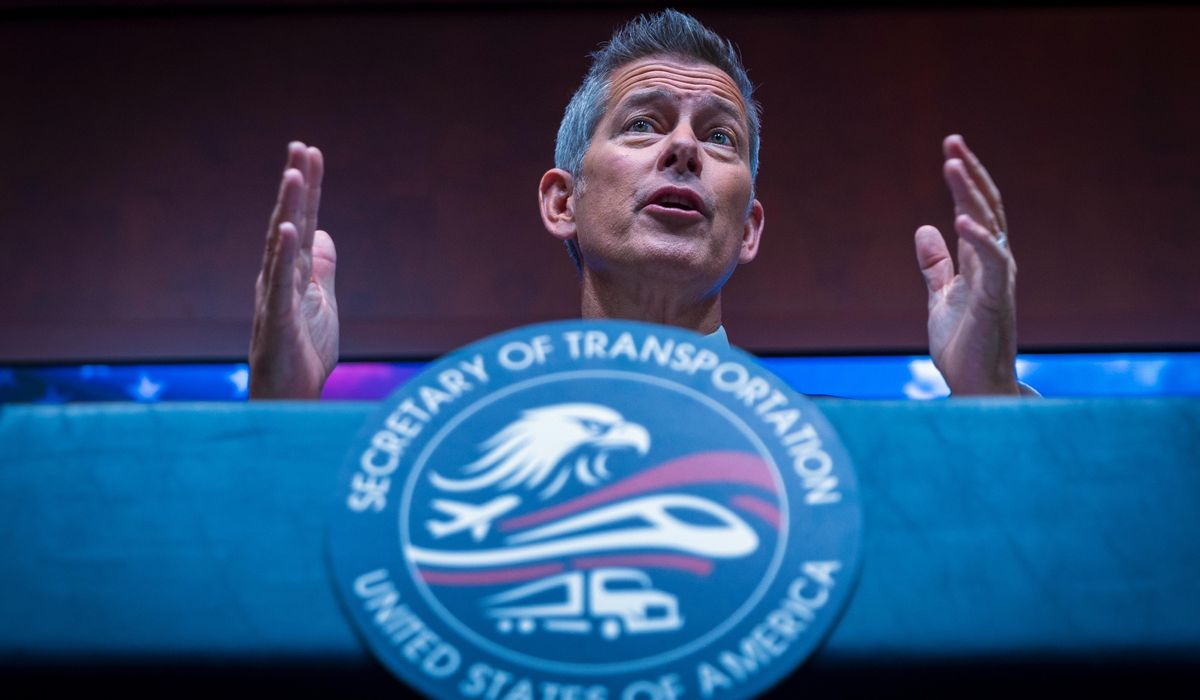
The Trump administration has relaxed federal noise-emission rules to make room for high-speed rail projects, a move meant to remove regulatory barriers even though true superspeed service is still likely years away.
The White House action trims a layer of regulation that officials say slowed down planning for faster passenger trains. By easing the noise standards, federal policymakers intend to give state and private builders more certainty as they explore advanced rail systems. Critics warn the shortcuts could create local friction, but supporters argue the change is a pragmatic step toward bigger infrastructure goals.
From a Republican point of view this is about clearing red tape so the market can test real solutions without being blocked by rules written for a different era. Conservatives favor letting entrepreneurs and states try new designs and technologies rather than letting old federal thresholds freeze projects in place. The aim is to nudge innovation forward while keeping regulatory burdens proportionate to real risks.
No one is promising a cross-country rocket train tomorrow. Engineers, planners, land deals and financing all take time, and practical high-speed corridors will need years of design and testing before regular service begins. The policy tweak simply makes it easier to move from concept to pilot stage without getting tangled in outdated noise limits.
Noise rules matter because sound thresholds can restrict allowable speeds and car designs near homes and businesses. Relaxing those rules gives rail builders more design freedom to reduce aerodynamic noise through technology rather than being stuck by a fixed number on paper. That approach rewards engineering fixes and private investment in quieter trains while leaving room for local mitigation where needed.
Safety remains non negotiable even as noise standards change, and Republican messaging stresses smart regulation not no regulation. Federal and state agencies will still set safety requirements for tracks, signaling, and equipment, while manufacturers must meet performance expectations before putting trains into service. The debate is over how to balance community impacts, technological progress, and sensible oversight without stifling private capital.
Economically, high-speed rail promises construction jobs, manufacturing opportunities, and competition that can lower travel costs over time. Conservatives like the idea of private-sector involvement to drive efficiency and innovation while states match priorities to regional demand. If projects move forward responsibly, they can stimulate supply chains and shift travelers away from congested highways and costly short flights.
Funding models matter, and the Republican line favors partnerships that do not saddle taxpayers with perpetual operating losses. Public investment can unlock private participation, but the goal is to make projects financeable through fares, freight opportunities, or limited public input rather than open-ended subsidies. That discipline forces planners to show realistic timelines and returns before greenlighting major construction.
Local communities will feel the effects most directly, so buy-in and mitigation are essential for any project to succeed politically. Noise allowances do not remove the need for sound walls, land-use planning, or fair compensation where impacts are real. Pilots and phased builds can show whether the relaxed rules lead to practical, less intrusive rail solutions or whether adjustments are still required as projects advance.

