

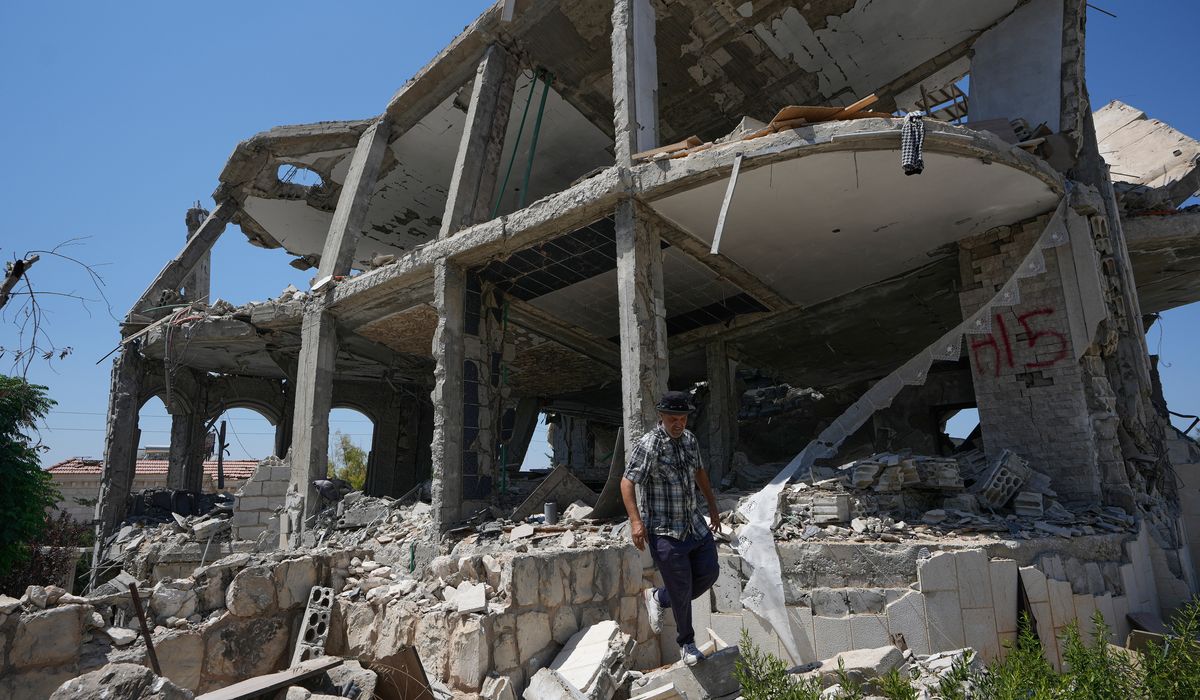
Israeli forces carried out “precision strikes” Wednesday on a southern Lebanese town after warning civilians to leave, saying “the Iran-backed militia Hezbollah” had broken agreed limits and provoked the response.
The Israeli military said it launched “precision strikes” on a town in southern Lebanon Wednesday after issuing evacuation warnings to civilians, framing the moves as targeted responses to cross-border violations. Officials described the operation as limited in scope but necessary to halt further hostile activity from the other side. Local residents reported hurried departures and rising tensions along the border region as the strikes unfolded.
From a Republican viewpoint, Israel has a clear right to defend its citizens and borders, and precision in military action matters to avoid unnecessary civilian harm. Hezbollah operates as a proxy for Iran, and its actions routinely destabilize the region while threatening innocent lives on both sides. American policy that supports Israel’s self-defense aligns with conservative principles of strong deterrence and accountability for state and non-state actors who sponsor violence.
Military spokespeople emphasized that they gave warnings before the strikes, aiming to minimize civilian casualties while degrading the capabilities used against Israel. Those warnings are a routine part of modern combat doctrine when fighting near populated areas, though they do not remove responsibility from the attacker. Observers noted the balance between operational necessity and humanitarian concerns as a central challenge in these clashes.
Hezbollah’s role in the confrontation is often framed as part of a broader Iranian strategy to exert influence through proxies, supply weapons, and conduct acts of intimidation across borders. This pattern of behavior complicates any diplomatic route to lasting calm and raises questions about enforcement of international norms. Republicans typically argue that without credible military consequences, such proxy tactics will continue to flourish.
The unfolding exchange also tests regional partners and international institutions that claim to pursue stability. Some nearby states prefer quiet diplomacy, while others watch closely for shifts that could widen into a larger confrontation. Washington’s posture matters; clear backing for defensive actions and credible deterrence can dissuade adversaries from escalating further.
On the ground, civilians in the targeted town faced the immediate fallout: disrupted lives, damaged infrastructure, and the urgent need for humanitarian care where required. Local reports described families packing what they could and leaving under warning orders, a stark reminder of how border skirmishes quickly translate into human cost. Emergency responders and aid groups, where able, moved to assist those displaced by the strikes and warnings.
Political leaders in Israel framed the strikes as measured steps to restore a deterrent that has eroded under repeated provocations, arguing that failing to respond proportionally invites more aggression. Critics argue that any military action risks escalation, but many Republicans counter that failing to punish violations invites far worse, including emboldened bad actors and longer-term instability. The debate continues over the best mix of force and diplomacy to secure lasting deterrence while minimizing civilian harm.
Looking ahead, the immediate question is whether the strikes will achieve the intended tactical goals without triggering a broader conflict, and whether international actors will reinforce or undercut deterrence. Regional dynamics remain fragile, and the conduct of both state militaries and proxy forces will shape whether this episode fades or fans into a wider confrontation. For now, Israel’s move on Wednesday is being presented as a precise, calibrated measure aimed at restoring a measure of security along a tense border.

