

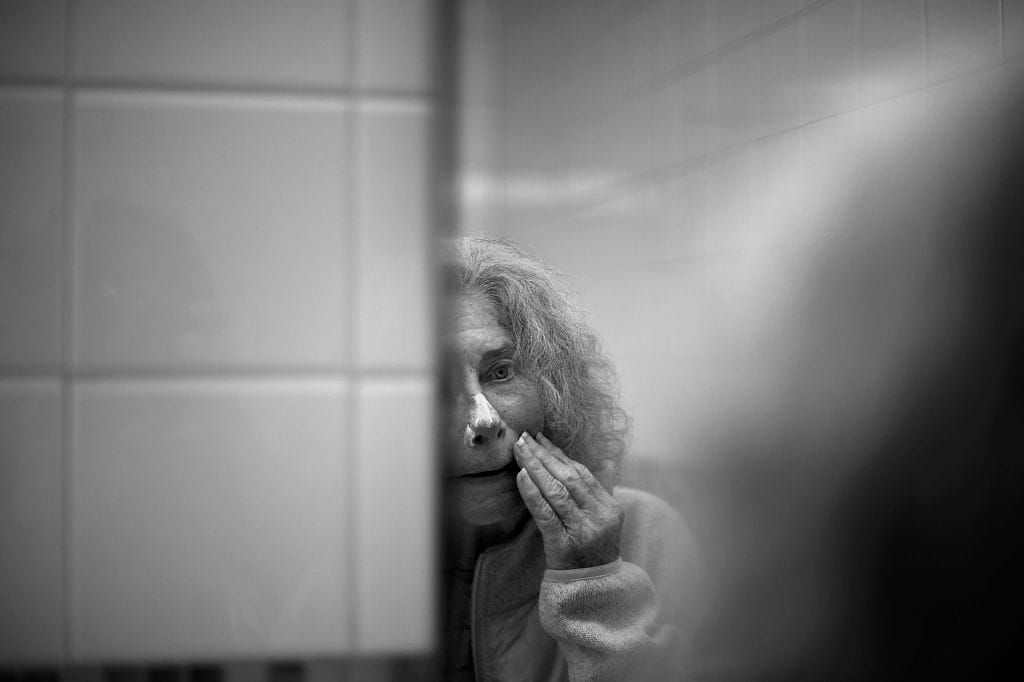
A clear look at whether the quest for healthy aging has become more confusing than helpful.
“Looks vs health, or somewhere in between?”
(Photo by Astrid Riecken For The Washington Post via Getty Images)
We live in an age where advice about aging comes from every corner, and it often feels like the loudest voices win. Some messages focus on aesthetic fixes, promising to erase years from your face, while others push longevity hacks and biometric tracking like the next must-have gadget. That split leaves ordinary people trying to decide whether to chase a youthful appearance or prioritize long-term function and quality of life.
Medical advances have changed what aging can mean, but they have also made the line between health and vanity blurrier. Treatments that were once reserved for real medical conditions are now marketed for minor tweaks, and the language of prevention has morphed into a marketplace. The result is a swirl of options that can leave someone older feeling obligated to perform wellness rather than live it.
There’s also a cultural pressure to package aging as a problem to fix instead of a stage to manage. Social media creates a constant parade of idealized images that are often filtered, edited, and strategically lit. That visual feed affects how we judge our bodies and our choices, and it can push people toward cosmetically focused interventions even when basic health measures would do more good.
The wellness industry thrives on nuance and novelty, and that can be helpful and harmful at the same time. On the positive side, more people are talking about exercise, diet, and mental health in ways that used to be taboo. On the negative side, quick-fix supplements, expensive procedures, and contradictory headlines make it hard to separate evidence from hype.
Science itself isn’t immune to the noise; studies get simplified into headlines that promise miracle benefits or warn of imminent doom. That distortion matters because most meaningful gains in healthy aging come from steady, low-glamour habits rather than flashy breakthroughs. Sleep, movement, social connection, and managing chronic disease tend to deliver consistent benefits but rarely generate viral trends.
Healthcare systems contribute to the complexity by medicalizing normal aging processes and fragmenting care. Older adults often see multiple specialists who focus on single systems rather than whole-person outcomes, and that can lead to interventions that prioritize short-term metrics over long-term well-being. Coordinated care and clearer guidance about realistic goals would cut through a lot of the confusion.
Practical choices can be straightforward if we shift the conversation from perfect to practical. Instead of asking how to look forty forever, asking what helps you move, sleep, think, and enjoy relationships as you age points toward durable wins. That approach doesn’t reject cosmetic choices, but it puts them in context with measures that actually preserve independence and reduce disease risk.
People deserve clear information that separates cosmetic preference from clinical necessity, and they need honest conversations about trade-offs and realistic outcomes. When interventions are framed with transparent evidence and aligned with a person’s life goals, decisions get simpler. The task now is to make that clarity available so aging becomes a matter of sensible choices rather than ever-shifting trends.
Aug 8, 2026

