

Bernie Sanders is escalating his attack on the Democratic donor class, pushing harder to reshape party funding and to pressure establishment figures by turning small-dollar enthusiasm into political leverage.
On Aug 10, 2026, the senator dialed up rhetoric and organization in a way that signals a new phase of confrontation inside his party. Observers noticed a shift from rhetoric to coordinated pressure tactics aimed at Democratic power brokers.
The move was framed plainly by the headline: Bernie Sanders Takes His ‘Donor Class’ Fight to the Next Level, and it isn’t just theater. Sanders has long painted corporate and wealthy donors as corrupting forces, but now he is translating that language into concrete political action.
He is leaning more heavily on small-dollar fundraising, activist networks, and public naming-and-shaming of party fundraisers to force changes in endorsements and platform commitments. That strategy converts grassroots enthusiasm into a bargaining chip rather than relying solely on elections to settle disputes.
From a Republican viewpoint, this escalation is more disruptive than reformist. It risks splintering a fragile coalition by publicly humiliating key donors and persuading moderates and independents that the Democratic Party is consumed by infighting.
Sanders’ approach has consequences beyond headlines: when a party alienates the people who underwrite campaigns and get-out-the-vote operations, it can erode the infrastructure that wins close races. Pushing donors out of the tent without clear alternatives can leave seats vulnerable in competitive districts.
“Will “establishment” Democrats feel the Bern?” is the question on many lips as party elites weigh whether to absorb the pressure or push back. If establishment figures resist, Sanders’ next moves could include backing primary opponents, withholding endorsements, or amplifying challengers who align with his anti-donor stance.
That kind of pressure shifts intra-party politics from private negotiation to public spectacle, and spectacle often favors the loudest voices rather than coalition builders. Republicans will watch for fractures and work to capitalize on any weakening of centralized party control during campaign season.
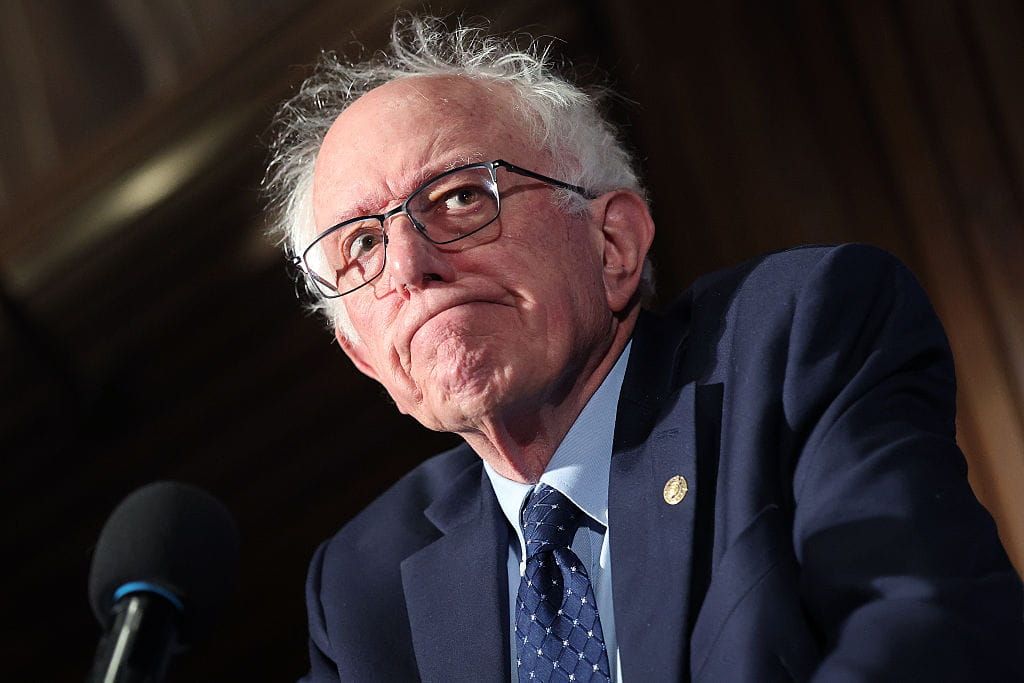
Media coverage and political theater have been central to this push, which is why imagery and messaging matter as much as policy proposals. (Photo by Win McNamee/Getty Images) captures the optics that Sanders and his allies will use to rally supporters and to make donors feel the heat.
Expect the next phase to test whether populist pressure can produce policy wins without costing electoral strength. Sanders may gain concessions on rhetoric and candidate slates, but the trade-offs for party unity and funding structures could be significant and long lasting.

