

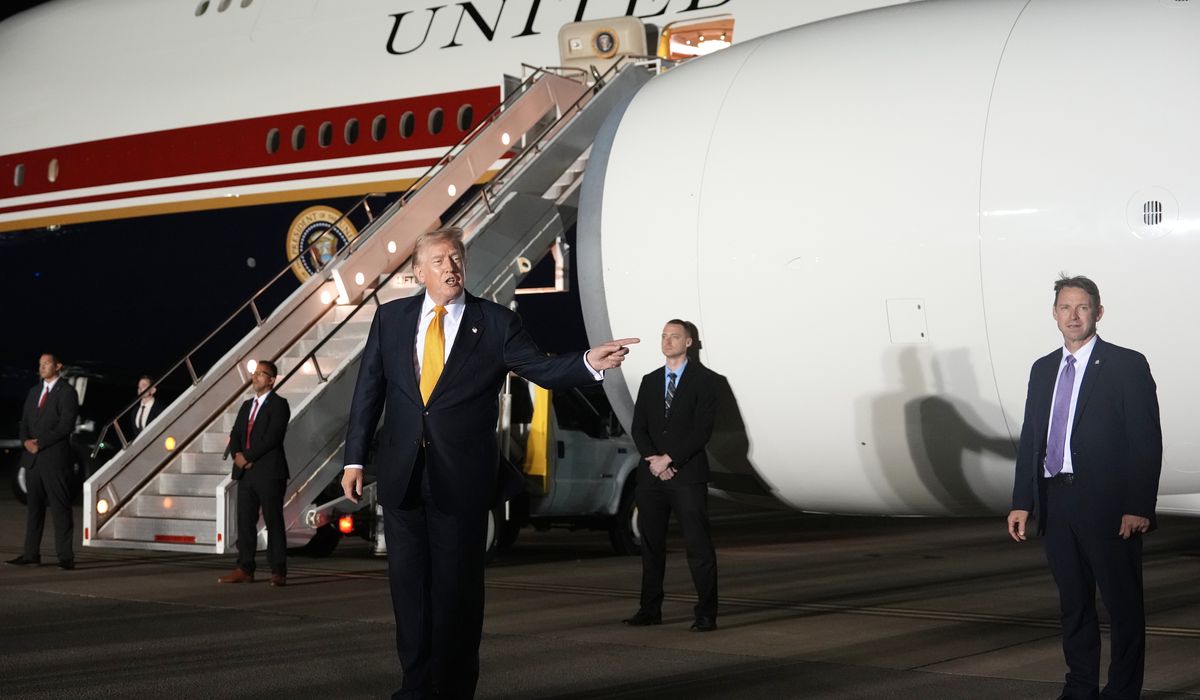
When presidents travel abroad on short notice, a tight circle coordinates security, transport, and communications while the public often learns details only after the trip.
Presidential travel blends military precision and information control, with teams focused on minimizing risk and ensuring mission success. Logistics can include everything from secure aircraft routing to temporary diplomatic clearances and local security liaisons. The public-facing timeline is often deliberately sparse until officials decide it is safe to release more information.
“Presidents have taken secret overseas trips in the past for security reasons, with schedules and logistics kept classified until after the fact to protect the commander in chief.” That truth underpins how administrations handle sudden departures, whether the reason is an emergent diplomatic meeting, a tightly timed military consultation, or a classified intelligence exchange. Secrecy is a tool of protection and a way to reduce opportunities for interference.
Security planners shape every step: secure routes, vetted personnel, and layered communication channels that survive electronic disruption. Advance teams work with local partners to arrange secure lodgings and transit corridors while counter-surveillance elements monitor for risks. Those teams operate under strict need-to-know compartments so details do not leak before the president is back in public view.
Transport is more than an aircraft or motorcade; it is a rolling bubble of capabilities that must be ready in minutes. Aircraft like Air Force One are accompanied by tanker support, escort fighters if needed, and logistical aircraft carrying essentials and backup equipment. On the ground, motorcades and secure vehicles are staged to match the same contingency planning, from medical care to rapid evacuation routes.
Communications are engineered to keep the president connected without exposing sensitive information, using encrypted links and redundant channels. Staffers maintain lines to military command centers, intelligence outlets, and diplomatic posts while limiting the flow of operational details. Even routine pressbriefs are drafted carefully to avoid revealing routes or timetables that could compromise security.
Coordination with foreign hosts requires balancing diplomacy and discretion, often involving classified memoranda and discreet bilateral conversations. Local security forces typically receive tailored guidance on access and perimeters while U.S. teams retain control over close protection. These arrangements let the president meet counterparts or brief allies without turning the visit into a spectacle that could invite unnecessary risk.
Operational secrecy also affects transparency debates, because citizens expect accountability for presidential movements and spending. Governments try to reconcile that expectation with the imperative to protect a sitting commander in chief, releasing summaries or official statements after the fact while withholding fine-grained operational details. The choice and timing of what to disclose become part of the larger trust between the public and its institutions.
Logistical footprints leave traces, so planners work to minimize detectable patterns while ensuring resiliency and contingency plans remain robust. From fuel requirements to advance-team lodging, every element is scaled to reduce exposure and keep mission options open if situations change. The result is a careful choreography that prioritizes safety and mission flexibility, with the public getting a controlled account once risks have passed.

