

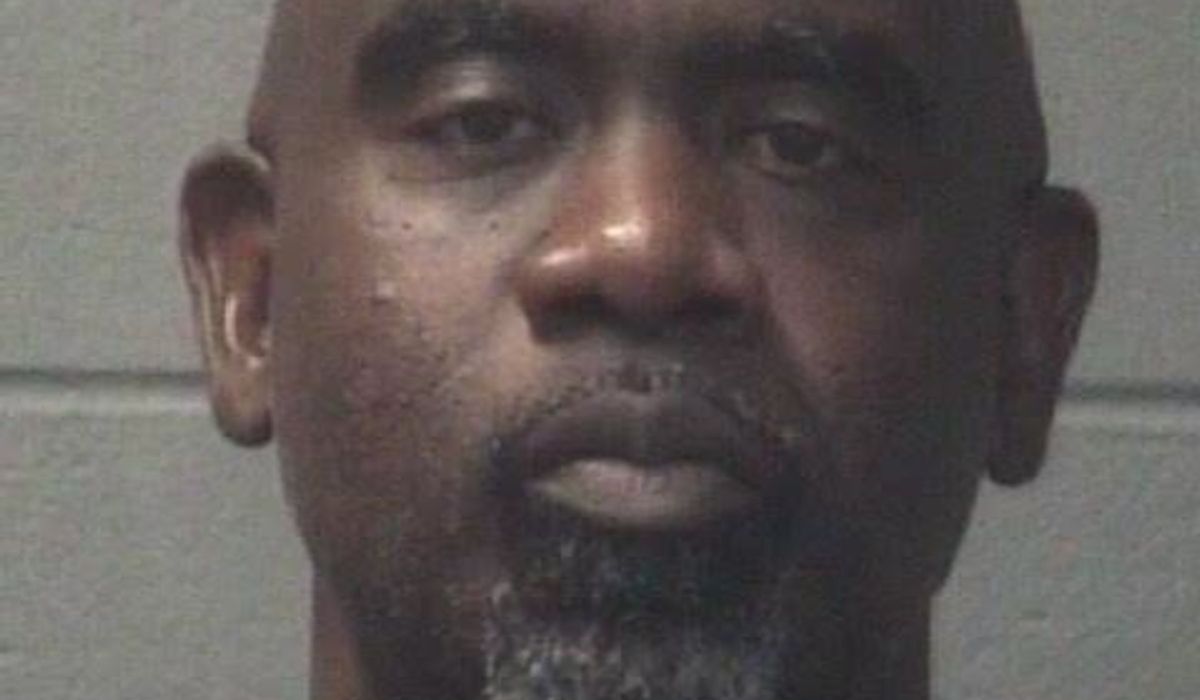
A North Carolina mother of three is recovering from multiple skull fractures and a brain bleed after a man allegedly followed her during a DoorDash delivery and beat her with a bat.
The attack left a mother of three with severe head injuries that required immediate medical attention, according to initial reports. She is currently listed as recovering, and the injuries include multiple skull fractures and a brain bleed. The incident has raised concerns about personal safety for people who work in delivery services and those who make or receive deliveries in their neighborhoods.
Accounts of the event describe a man allegedly following the woman while she was completing a DoorDash delivery, then attacking her with a bat. The allegation underscores how quickly routine tasks can turn violent for workers and customers alike. Local residents say the shock of a violent assault in a familiar area has shaken confidence in neighborhood safety.
Because the assault is described as alleged, criminal investigators will need to gather evidence, interview witnesses, and determine the sequence of events. That process can take time, and outcomes depend on what investigators recover and how quickly witnesses come forward. Meanwhile, community members often expect prompt updates from law enforcement to understand the scope of the threat and any ongoing danger.
Medical consequences from blows to the head can be severe and long lasting, and the reported combination of skull fractures and a brain bleed is especially serious. Recovery timelines vary widely depending on the severity, promptness of treatment, and the patient’s overall health. Families facing such injuries frequently face both emotional strain and mounting medical bills while the patient heals.
Incidents like this spotlight broader questions about safety protocols in the gig economy and how companies communicate risks to their workforce. Delivery platforms typically offer in-app safety features and guidance, but workers and customers still face unpredictable situations on the street. Conversations about whether platform policies are sufficient tend to gain traction after high-profile or particularly violent events.
Neighbors and local groups often organize to offer support in the aftermath of a shocking attack, from checking on vulnerable residents to coordinating rides and meal deliveries. Community solidarity can provide immediate practical help and emotional reassurance to affected families. Local nonprofits and informal neighborhood networks sometimes fill gaps while formal assistance is arranged.
Legal responses to violent assaults include arrest, charging decisions by prosecutors, and criminal trials if the evidence supports formal prosecution. Civil remedies, such as personal injury suits, may arise later depending on the progress of any criminal case and the wishes of the victim’s family. Whatever path the justice system takes, community members typically watch closely for signs that accountability will be pursued.
Conversations about prevention focus on situational awareness, neighborhood lighting, and prompt reporting of suspicious behavior to authorities. Some recommend using delivery drop-off options that minimize face-to-face contact or arranging deliveries at safer locations when possible. Those ideas aim to reduce risk without placing responsibility solely on victims or workers who depend on these jobs for income.
The event also raises questions about how employers, local leaders, and public safety officials can work together to reduce the chance of similar attacks. Partnerships between delivery platforms and law enforcement, improved crime reporting tools, and community safety initiatives are among approaches considered after violent incidents. Finding practical, evidence-based strategies to protect vulnerable residents and gig workers remains a priority for many communities.
As the woman continues to recover, neighbors and local leaders are likely to push for clarity from authorities about the status of the investigation and any steps being taken to prevent future attacks. Support systems—both formal and informal—will be important as her family copes with medical care and recovery needs. The case serves as a reminder that routine tasks can carry unexpected risks and that community vigilance and responsive public safety measures can make a difference.

