

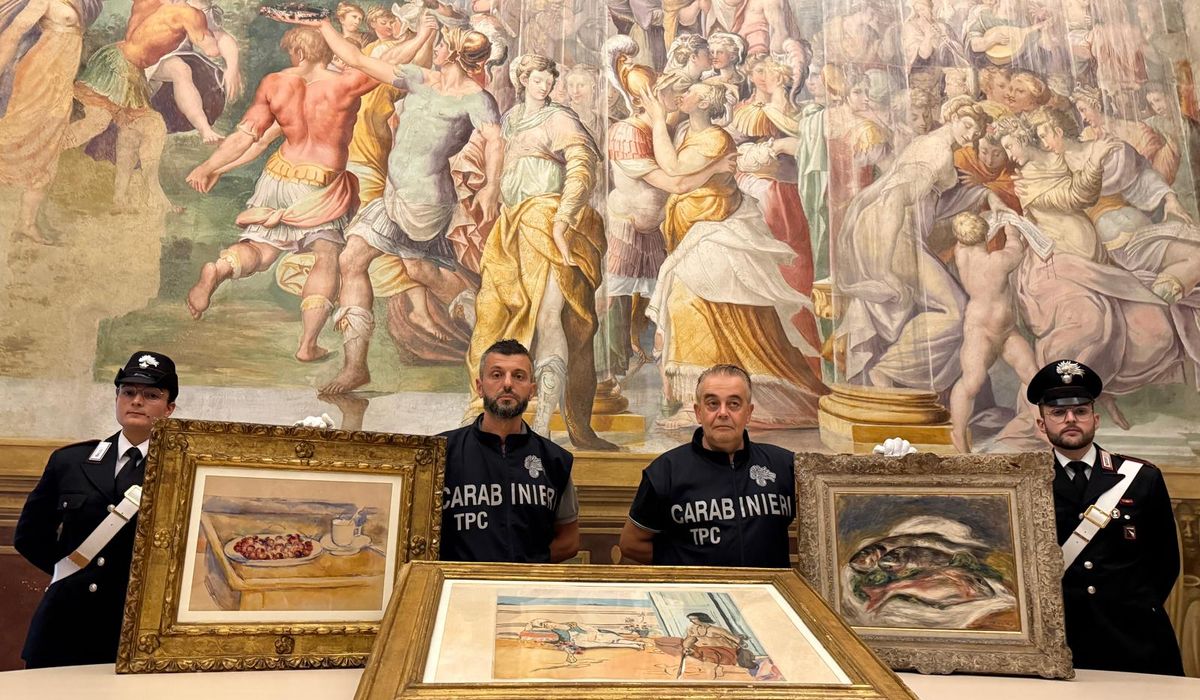
Brazilian authorities recovered stolen works by Henri Matisse and made an arrest, spotlighting the persistent problem of high-value art theft and the long road to returning masterpieces to rightful owners.
Police in Brazil found stolen works by French artist Henri Matisse Thursday and arrested a man accused of holding on to the art for the alleged thieves. The discovery came after an investigation that tied local handlers to a larger chain of illicit trade, underscoring how quickly masterpieces can travel once they leave secure collections. Authorities described the operation as part of routine work to combat cultural property crime, and the arrest reflects an emphasis on disrupting middlemen who enable theft rings. The move also raises questions about provenance checks in private markets where high-demand works change hands.
Matisse’s name alone concentrates enormous cultural and monetary value, which is why his work is a frequent target for organized theft. Stolen canvases often surface through informal networks, sales to collectors who may not do full due diligence, or attempts to quietly piece together fragments of a heist for resale. Recoveries like this show law enforcement can close gaps, but they also remind museums and collectors to be proactive about security and paperwork. Even short lapses in tracking or crate documentation invite exploitation by criminal groups who follow the art market.
The man arrested is accused of holding the works for the thieves, a role that sits between the people who steal and those who sell. Middlemen are valuable to criminal operations because they obscure chains of custody and help launder artworks by staging transfers or faked provenance. Prosecutors often pursue these figures to get to larger networks, since the those who move items abroad or arrange sales are typically better insulated from direct suspicion. Breaking that insulation is crucial to both recovering pieces and deterring future thefts.
Investigation techniques combine old-school legwork with modern forensics and international cooperation, and this case appears to reflect that blend. Police used databases of stolen art and cross-border alerts to trace leads while also following local transactions and interrogating suspects. Interpol and art crime units worldwide keep tabs on high-risk works, so cooperation with foreign partners can speed recoveries once a likely location is identified. Still, the soft edges of private sales and anonymous transfers often slow efforts to confirm origins and final destinations.
When stolen works are recovered, custody, authentication, and restitution become immediate tasks, often involving legal teams and conservators. Experts must verify that the recovered objects match documented descriptions and that no restoration or damage alters their identity. Legal processes then determine whether the pieces return to museums, private owners, or estates, and those proceedings can take months or years depending on the evidence and claims. The art’s condition after theft also factors into decisions about display or conservation needs.
Museums and collectors face renewed pressure to tighten security and vet purchases more rigorously, especially for high-profile names like Matisse. Provenance research has grown from a best practice into a necessary shield against legal exposure and reputational risk, and more institutions now demand a paper trail before acquisitions. Insurance costs and public trust hinge on how well institutions can demonstrate stewardship, which means investing in both physical security and archival records. This case will likely prompt boards and private owners to reassess gaps in their safeguarding strategies.
The global art market’s opacity remains a central challenge, since anonymous buyers and private sales provide cover for illicit activity. Greater transparency, stricter documentation standards, and enforced accountability for dealers could reduce shady transactions and make it harder to fence stolen pieces. Regulators and industry groups are debating measures such as mandatory registries and enhanced due diligence for high-value transfers to curb abuse. While those changes face resistance from buyers who prize discretion, theft deterrence often requires limiting the avenues criminals exploit.
Recoveries also bring public attention to cultural heritage and the harm theft inflicts on communities when important works disappear. Paintings and sculptures are not just assets; they are part of shared history and civic identity, and their loss diminishes public collections. Returning works helps restore access and allows museums to fulfill educational missions that rely on authentic objects. Each case returned to display is an opportunity to reinforce the public’s stake in protecting cultural property.
Law enforcement successes like this rely on tips, sustained investigation, and coordination across jurisdictions, so citizen reporting still matters. Auction houses, galleries, and private dealers who spot suspicious provenance or sudden offerings of major names should alert authorities rather than enabling opaque sales. Public awareness campaigns and industry training can improve the odds of interception before illegal items move out of reach. Vigilance across the chain of custody makes theft a less attractive risk for organized groups.
As authorities process the arrested individual and work toward final disposition of the Matisse pieces, the case will likely prompt follow-up actions and possibly international inquiries. Courts will weigh evidence to determine culpability and whether those artworks can be repatriated to their rightful owners or institutions. Meanwhile, the art world will watch how this episode influences security practices and market transparency, hoping recovery becomes the norm rather than the exception. The broader lesson is that protecting cultural treasures demands constant attention and cooperation across borders.

