

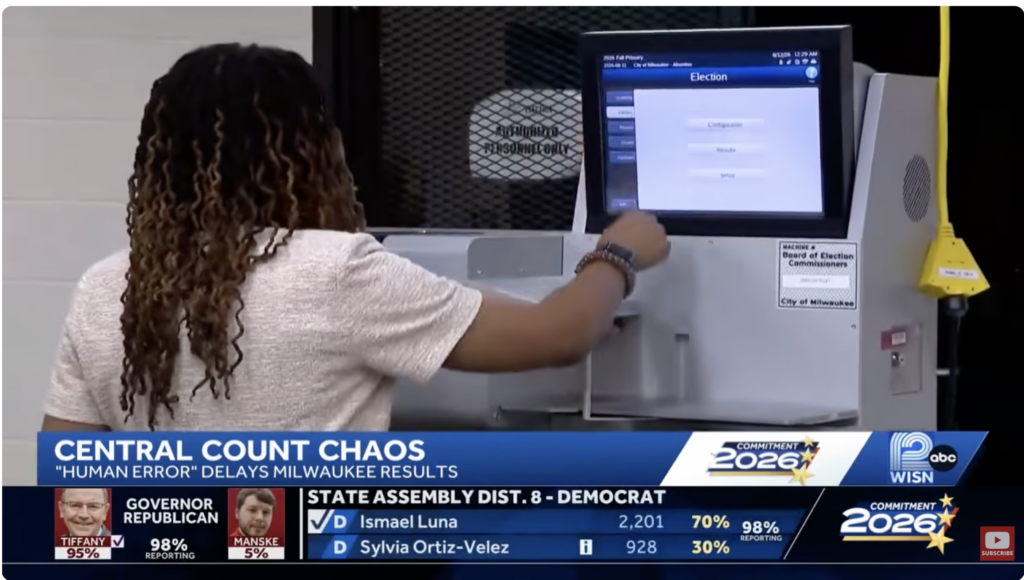
Milwaukee’s voting patterns and the political engine behind them are a recurring topic in swing state contests, and this piece looks at how local dynamics tilt statewide outcomes without naming a specific agenda.
Milwaukee has a way of coming up with just enough votes the Democrat machine needs to win swing state Wisconsin. Call it a ‘lair for drama.’ That reputation for delivering narrow margins shows up every few election cycles and keeps both parties watching the city closely.
From a Republican perspective, the pattern is more than coincidence; it reflects organizational focus and turnout strategies concentrated in urban centers. Critics argue that when one city repeatedly supplies decisive vote margins, it exposes a gap in statewide political engagement. That makes grassroots work outside the metro areas even more important for anyone hoping to change outcomes.
Voter mobilization machines operate on resources and data, and those advantages can compound in places where the same actors keep turning out favorable ballots. Local leaders and activists who build deep, persistent networks naturally have an outsized impact when they push every advantage. For opponents, the task is to match that intensity without surrendering rural and suburban turf.
Election integrity and public trust keep surfacing in these debates, not just because of close results but because close results invite intense scrutiny. Republicans often push for stronger transparency measures that let citizens see how elections are run and verified. Those demands resonate with voters who want confidence that every legal vote counts and every illegal influence is minimized.
Meanwhile, messaging matters just as much as mechanics; the story voters hear about a city or a machine shapes perceptions for weeks. Framing Milwaukee as a decisive engine can energize both sides—its supporters celebrate and its critics organize. That narrative power means campaigns that control the local story can tilt how people think of the broader contest.
Policy choices and local governance also feed into electoral math, since people vote with immediate concerns in mind—schools, safety, jobs, and basic city services. When those local issues align with a party’s message, turnout spikes among voters who feel seen and heard. Opposing campaigns must offer credible, concrete alternatives that address everyday life, not just abstract slogans.
It’s also worth noting that demographic shifts and migration patterns change the map slowly but steadily, altering the baseline from one cycle to the next. Suburbs that once leaned one way can drift, and the urban electorate itself evolves over time. Smart campaigns track these shifts and adapt instead of assuming past margins always hold.
Ultimately, winning Wisconsin requires a statewide plan that doesn’t write off any region, combined with effective field work where it matters most. Republicans aiming to flip or secure the state must build persistent presence in cities while shoring up gains elsewhere. That kind of disciplined, broad strategy is what breaks the hold of any single voting pattern.

