

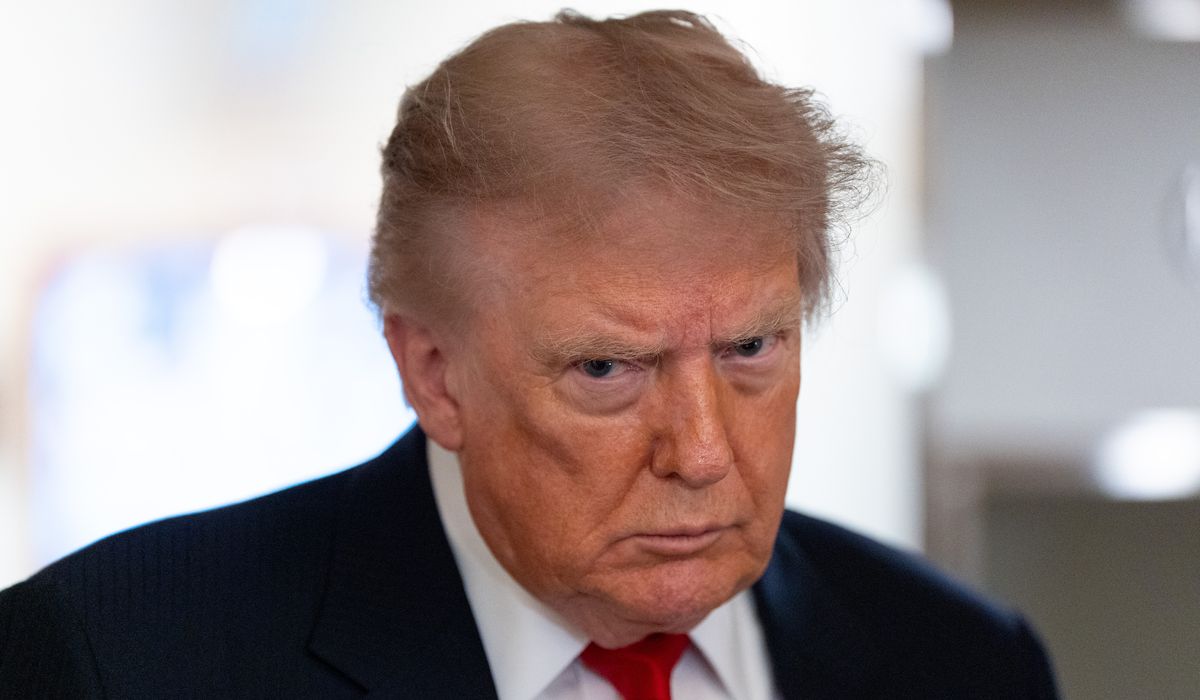
President Trump sharply warned Oman over actions near the Strait of Hormuz, framing his remarks as a hardline tactic to protect negotiations with Iran and American interests in the region.
President Trump unleashed an expletive-laced threat toward Oman Monday, saying he would bomb the Middle East nation if it disrupts negotiations with Iran over the Strait of Hormuz. Those words landed in a tense international moment, where a narrow waterway touches global energy supplies and diplomatic bargaining with Tehran. The comment took place amid long-running pressure on Iran and growing debate over how forceful U.S. responses should be.
The Strait of Hormuz is a choke point where a large share of global oil shipments pass, so any instability there has immediate economic and security consequences. Oman sits on the strait and often acts as a quiet intermediary in Gulf diplomacy, which makes the president’s language notable, even by rough political standards. The remark signals a willingness to apply blunt instruments when Washington believes negotiations or navigation are at risk.
Republicans see forceful language as a form of deterrence that can prevent worse outcomes, arguing that clarity and resolve reduce the chance of miscalculation. From that perspective, blunt public warnings can make adversaries think twice before interfering in high-stakes talks or seaborne commerce. Supporters stress that talk backed by credible capability is a core element of national security strategy.
At the same time, sharp threats carry real diplomatic costs and can complicate back-channel talks or third-party mediation. Oman has a reputation for discreet diplomacy with Tehran, and alienating a potential mediator could narrow options for resolving disputes short of conflict. U.S. officials who favor a hard line also tend to acknowledge that coordination with partners and careful signaling matter in avoiding unintended escalation.
Legally and militarily, the idea of striking another sovereign state raises questions about authority and proportionality. Military planners analyze targets, risks to personnel, and the wider consequences before recommending action, while lawmakers debate the proper role of congressional approval. The mix of public bluster and realistic constraints means words do a lot of heavy lifting in shaping rivals’ expectations.
On the domestic political front, the comment plays into a larger Republican argument for showing strength on the world stage. Many conservatives argue that weakness invites aggression and that clear consequences deter adversaries from testing American resolve. At the same time, the same base that prizes toughness often expects prudence and competency in how force is prepared and used.
Diplomats and defense officials face a balancing act: maintain leverage in talks with Iran while preserving relationships with Gulf states that can be helpful in de-escalation. Oman’s role as an interlocutor could be indispensable in some scenarios, which complicates a posture that treats it as a potential target. The practical challenge for U.S. policy is aligning a tough posture with the real work of negotiation, intelligence sharing, and alliance management.
International reactions are predictable and varied, with some capitals likely to condemn heated language and others to quietly welcome a firmer line against Tehran’s regional behavior. Allies in Europe and the Gulf often prefer stability and predictable channels for resolving crises, so incendiary remarks can force them to respond or recalibrate. In any case, rhetoric now shapes the diplomatic terrain, and consequences will unfold in both port calls and diplomatic notes.
The incident underscores the interplay between diplomacy and deterrence, where blunt statements can be a tool but not a substitute for planning and diplomacy. How policymakers handle the fallout will matter to shipping lanes, energy markets, and the broader strategic balance in the Gulf. Observers will be watching whether raw rhetoric becomes policy or whether it serves as temporary leverage in a larger diplomatic game.

