

Republicans face a mix of positives and risks as House control hangs on narrow margins, with favorable maps and strong issue terrain offset by turnout challenges and candidate quality concerns.
Aug 17, 2026 places this moment in a political calendar where every seat matters and nothing happens by accident. The balance is delicate: district lines and incumbency still tilt attention toward the GOP, but momentum can flip quickly on turnout and national narratives. “Nothing is set in stone.”
On the map front, decades of state-level effort have left Republicans with a structural edge in many House districts, and incumbency remains a powerful shield. That advantage does not guarantee victory, but it does mean Democrats must win a higher share of competitive districts to retake the chamber. Small margins in swing districts will decide control, so strategy matters more than polls.
Fundraising and cash on hand are always part of the story, and GOP committees have been sharpening their operation where it counts. Grassroots donors and local party organizations have rebuilt a bench of spendable resources, while targeted national dollars flow into battlegrounds. Still, selective spending mistakes or late surges by Democratic-aligned groups could erase local advantages if Republican campaigns fail to allocate resources effectively.
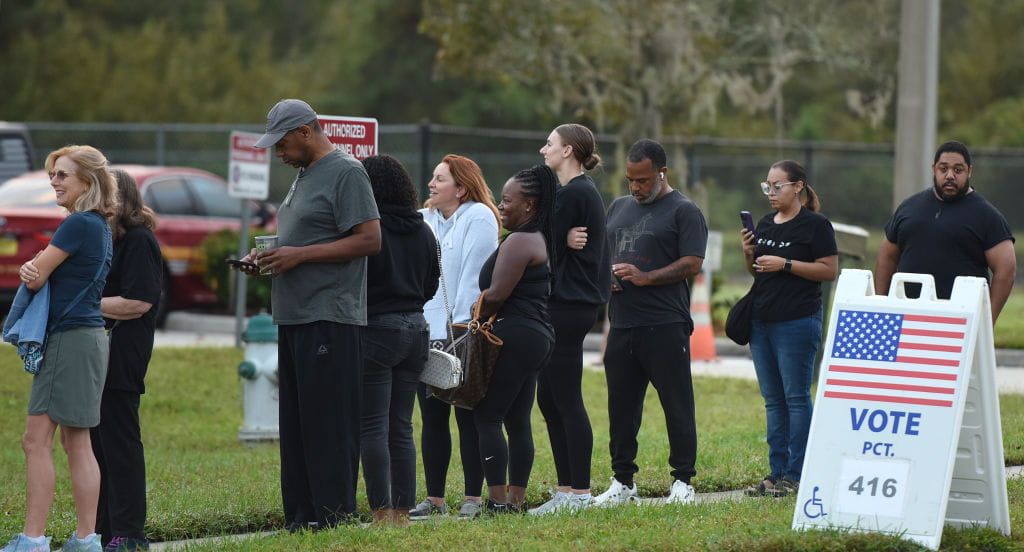
Voter enthusiasm and turnout are the real wild cards; midterm years punish complacency and reward discipline. Republican voters who care about inflation, spending restraint, energy independence, and border security can carry close races, but only if campaigns convert interest into ballots. Early voting patterns and special election results must be read as signals rather than verdicts, since momentum can change rapidly in the weeks before Election Day.
Candidate quality remains a split picture — talented campaigners stand alongside weaker nominees who hand Democrats easy messages. Primary fights that produce unelectable nominees will cost the party seats it should hold, and national leaders must resist endorsing fringe figures who undercut the pragmatic, conservative case. Recruiting solid, retail-oriented candidates who can run on principles without alienating swing voters is essential.
On issues, Republicans hold natural advantages with voters frustrated by border chaos and oversized federal spending, and those themes resonate in working-class suburbs and rural areas alike. Communicating a crisp, positive alternative to big-government solutions — focused on secure borders, lower costs, and safer communities — is a winning path if campaigns stick to it. But mixed messages on social and cultural issues can open cleavages that Democrats will exploit relentlessly.
Outside factors like the economy, foreign events, and presidential approval will shape the environment, often in unpredictable ways. A strong economy can blunt critiques while a sudden crisis can swing undecided voters toward stability and incumbents. That means Republican strategists must prepare for contingencies, from messaging shifts to rapid reallocations of resources, without abandoning core principles.
Local organization, get-out-the-vote operations, and candidate discipline will ultimately determine whether structural advantages translate into seats. County parties, volunteers, and state committees that focus on fundamentals — voter rolls, contact, turnout plans — will outperform flashy national ads when margins are tight. Winning close races comes down to boots on the ground, clear pro-growth messaging, and making the case that conservative governance produces tangible results.
The path to keeping the House is narrow but navigable for Republicans who combine strategic spending, disciplined messaging on pocketbook and security issues, and relentless voter engagement. Expect national and state leaders to jockey for resources and influence, while local campaigns fight the real battles in their districts. The next few months will test whether conservative organization and ideas can turn structural advantages into a working majority.

