

This week the courts delivered a mixed set of rulings for the Trump administration: a federal judge blocked a broad visa restriction, the Supreme Court cleared the way for certain removals and a White House construction stay held, and deportations resumed to multiple countries after Temporary Protected Status ended.
Federal judges and appeals courts have turned this into a patchwork week of wins and losses for the administration, and the political stakes are obvious. On Friday a New York district judge ruled against a 75-country visa pause, while other decisions opened deportations and allowed work on a contested White House ballroom to continue under an emergency stay. The result is a messy legal theater that will likely move up the appellate ladder fast.
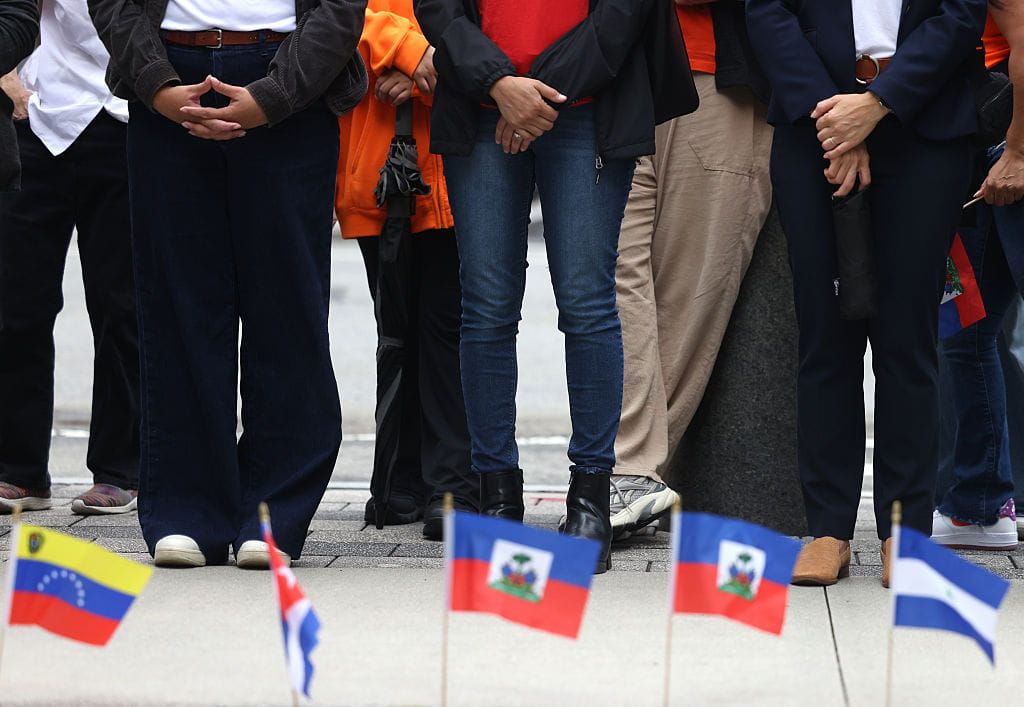
The Trump administration scored a significant procedural victory on immigration when a final stay that had blocked deportations to Ethiopia was lifted, clearing the way to return nationals to 13 countries. That group includes Syria, Haiti, Venezuela, Nicaragua, Honduras, Afghanistan, Cameroon, Nepal, South Sudan, Burma, Ethiopia, Yemen, and Somalia. The change follows a Supreme Court ruling from June that limited courts’ power to review the administration’s decision to end protections for some nations.
Four countries remain under Temporary Protected Status for now — El Salvador, Lebanon, Sudan, and Ukraine — but those designations are set to expire in the not-too-distant future. Haitians have been among the largest TPS holders, with nearly 350,000 people previously protected in the United States. On Thursday night the first deportation flight to Haiti carried 161 deportees, the first of what officials expect will be multiple removals now that the holds are gone.
The visa side of the ledger looks very different. In January the State Department told consular officers to halt acceptance of immigrant visa applications from 75 countries and to “fully vet and screen” nonimmigrant visa requests to prevent misuse of benefits. The policy aimed to cut illegal immigration pressure and ensure applicants met strict eligibility criteria before arriving in the United States.
Still, a federal judge in New York found the policy unlawful on August 21, handing the administration a clear defeat. In her ruling US District Judge Jeannette Vargas said the policy ran afoul of the statute and consular officers’ role, making a blunt legal point in language the administration will find tough to dodge. “Congress imbued these officers with exclusive authority and discretion to determine if an immigrant is eligible for a visa based upon review of specific and detailed criteria set forth in the statute,” she wrote. “The Policy, which categorically prohibits the issuance of immigrant visas based upon the nationality of the applicant, represents a direct abrogation of this statutory scheme.”
The court’s decision will likely be appealed immediately, and the administration will push for an emergency stay while the case winds up the appellate path. That appeal will land in the US Court of Appeals for the Second Circuit, and the makeup of that court makes any prediction dicey; its panels are randomly selected and can include a mix of appointees from different administrations. Seven of the 13 active judges on the Second Circuit were appointed by Democrats — one by Barack Obama and six by Joe Biden — while six were appointed by President Trump.
Beyond the active judges, another 15 senior judges can sit on panels, including two who have been on the bench since 1979, so ideological balance on a three-judge panel is unpredictable. If the Second Circuit refuses an emergency stay, the administration can and almost certainly will take the matter to the Supreme Court to seek immediate relief. Either way, the process will be fast and politically charged.
For Republicans this week will look familiar: strategic losses in trial courts paired with broader gains when higher courts limit judicial interference in executive policy. The lifting of stays that had frozen returns to unstable countries is a clear operational victory, while the visa decision is a procedural setback that can be appealed. Everyone involved knows the likely next move is a series of emergency filings aimed at getting the Supreme Court to weigh in.
Court rulings don’t change policy by themselves; they set the legal terrain on which policy fights are decided. The administration has signaled it will press its appeals hard, and the visa ban fight will test how much deference courts give to executive discretion on immigration controls. Given the mixed decisions this week and the quick path to appeals, the legal battle is far from over and should produce more high court fireworks before long.

