

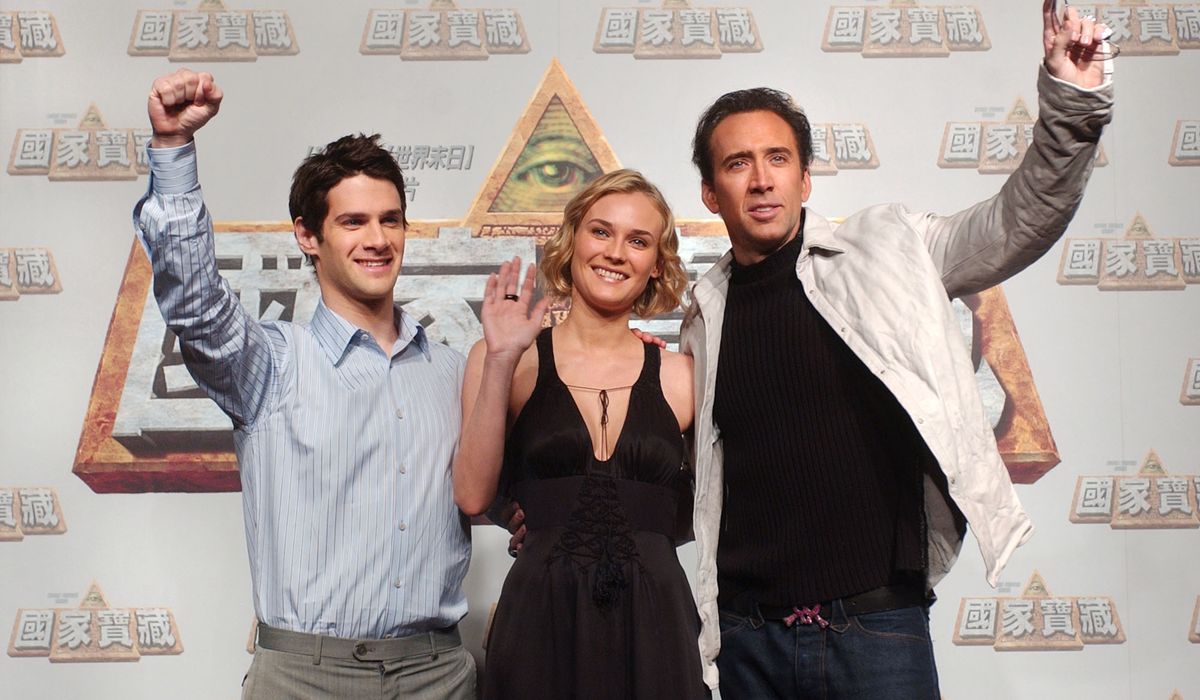
The director of “National Treasure” warns that politics are unavoidable in the third film, saying “We have to be very careful, but I don’t feel we are allowed to ignore it. I think we have to
“National Treasure” director says third movie in series can’t overlook politics: “We have to be very careful, but I don’t feel we are allowed to ignore it. I think we have to
That statement sets the tone for a conversation about how a franchise known for maps, clues, and history might handle the heavier issues of the moment. Fans expect a puzzle-adventure, but the production team also faces pressure to acknowledge cultural and political realities. Balancing spectacle with sensitivity is now part of the creative checklist.
Blockbuster sequels live or die on audience trust, and bringing politics into the mix raises the stakes. Filmmakers need to make clear choices about where the story sits on the spectrum between escapism and commentary. That decision will shape casting, marketing, and how the plot frames historical material.
Keeping the tone consistent with earlier entries is one challenge, and avoiding a didactic approach is another. Too much preaching can turn a popcorn picture into a lecture, but ignoring context risks appearing tone-deaf. The director’s cautionary note shows awareness that both extremes can alienate different parts of the audience.
Storytelling offers tools to address weighty topics without losing momentum, from character-driven moral dilemmas to small, human-scale moments that reflect larger issues. Integrating those moments into the hunt and the reveals can preserve pacing while adding depth. Smart writing lets the plot do the talking instead of heavyweight exposition.
The franchise’s legacy also matters when politics enter the frame, because previous films set expectations about style and focus. Writers and producers must respect what worked before while still allowing the material to evolve. That often means selecting which themes to surface and which to leave implicit.
Another practical factor is global box office dynamics, where cultural differences affect what plays in different markets. Filmmakers have to weigh how explicit references will land overseas without sanitizing the story. That leads to creative choices about symbolism and subtext rather than blunt statements.
Production schedules and studio appetites can constrain how thoughtfully politics are woven into a script. Deadlines and franchise commitments sometimes favor safer, tested formulas. Still, a director signaling intent to engage suggests the team is open to thoughtful risk rather than defaulting to formulaic beats.
Audience reaction will be a key metric, and early feedback often guides marketing pivots and even reshoots. Social media and test screenings can highlight blind spots or unexpected resonance, pressuring studios to tweak tone. That feedback loop can be helpful if it sharpens rather than dilutes the creative vision.
There is also the question of historical accuracy versus dramatic license, which franchises that flirt with history face regularly. Choosing which facts to foreground and which to fictionalize affects credibility. Handling history responsibly while keeping things entertaining is a craft in itself.
Collaborators like actors and composers play a role in setting the emotional texture around political elements. Performance choices can humanize controversial ideas, and a score can steer viewers toward empathy rather than partisanship. These are subtle levers that help a film feel generous rather than preachy.
At the same time, avoiding explicit partisan messaging keeps the door open for a broader audience to enjoy the adventure. Films that tilt too far into current political divides risk fragmenting their fanbase. The director’s remark underscores the tightrope act between relevance and universality.
Ultimately, the way politics are handled will reveal the production’s priorities: spectacle first, or a story that aims to reflect its time. Either path can succeed if choices are deliberate and coherent. The statement quoted at the top is a candid admission that the creative team sees politics as a factor they cannot simply set aside.

