

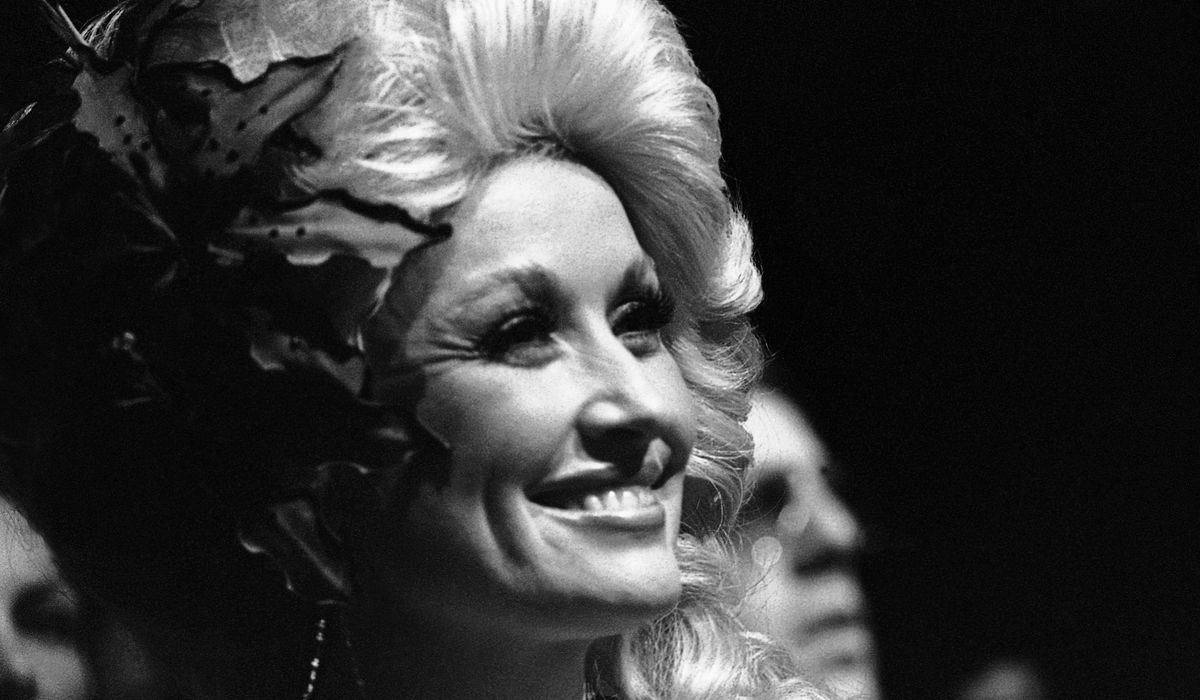
Dolly Parton, the singer, songwriter and actress who rose from rural Sevier County, Tennessee, died Tuesday in Nashville at age 80.
Dolly Parton’s passing marks the end of a remarkable American life that began in a small cabin in Sevier County and grew into a career that touched millions. She moved from modest beginnings to stages around the world, building a reputation as a singer, songwriter and actress whose work crossed genres and generations. Her presence in entertainment was constant and widely felt, and her death in Nashville on Tuesday closes a long chapter in American music and culture.
Parton’s story read like a classic American rise: talent, grit and a knack for storytelling that translated into songs people still hum. She wrote and performed country hits that became standards, and she took parts in films and television that broadened her audience beyond country music. That blend of songwriting craft and larger-than-life persona made her a household name and an icon for many who admired both her art and her hustle.
Audiences recognized her not just for chart success but for a theater-ready sense of showmanship that made any performance feel like an event. Her voice and lyrics carried a plainspoken honesty that connected with listeners from different backgrounds. Over the years she moved between intimate acoustic moments and big, polished productions without losing the core of what made her songs resonate: clear melodies and the human stories behind them.
Outside the studio and the stage, Parton cultivated a public image that combined warmth, sharp business instincts and a playful sense of style. She used that platform in multiple ways, from supporting local causes to engaging fans through open, accessible storytelling about her own life. That mix of approachability and ambition allowed her to bridge a wide gap between celebrity and community, earning trust even among people who might not have followed her music closely.
Her influence extended beyond pure entertainment into cultural touchstones that shaped how country music and popular culture intersect. She helped broaden the appeal of country songwriting and brought a theatrical sensibility to television and film that few peers matched. The result was a cross-genre relevance that kept her name in the conversation for decades and made her a reference point for artists and audiences alike.
Reaction to her death has been immediate and widespread, reflecting how deeply her work was woven into people’s lives. Fans and colleagues alike have shared memories and moments that underline how personal her music felt to so many. That kind of response doesn’t come from a single hit or a momentary trend; it comes from a body of work that consistently spoke to everyday struggles, love, hope and humor.
Grief will be paired with a renewed look at the catalog she leaves behind, a trove of songs and performances that will continue to be discovered and reinterpreted. Her records, film roles and public appearances form a library of material that scholars, fans and new listeners will revisit in the years ahead. Those pieces will keep revealing the craft behind the persona and the careful choices that shaped her career.
Her passing invites reflection on what it means to have a life in the public eye that stays both generous and shrewd. Dolly Parton managed to be a star and a storyteller in ways that often felt personal, and that duality is a big part of why her loss resonates. The work remains, and the stories she told will keep circulating, sparking new connections in unexpected places.

