

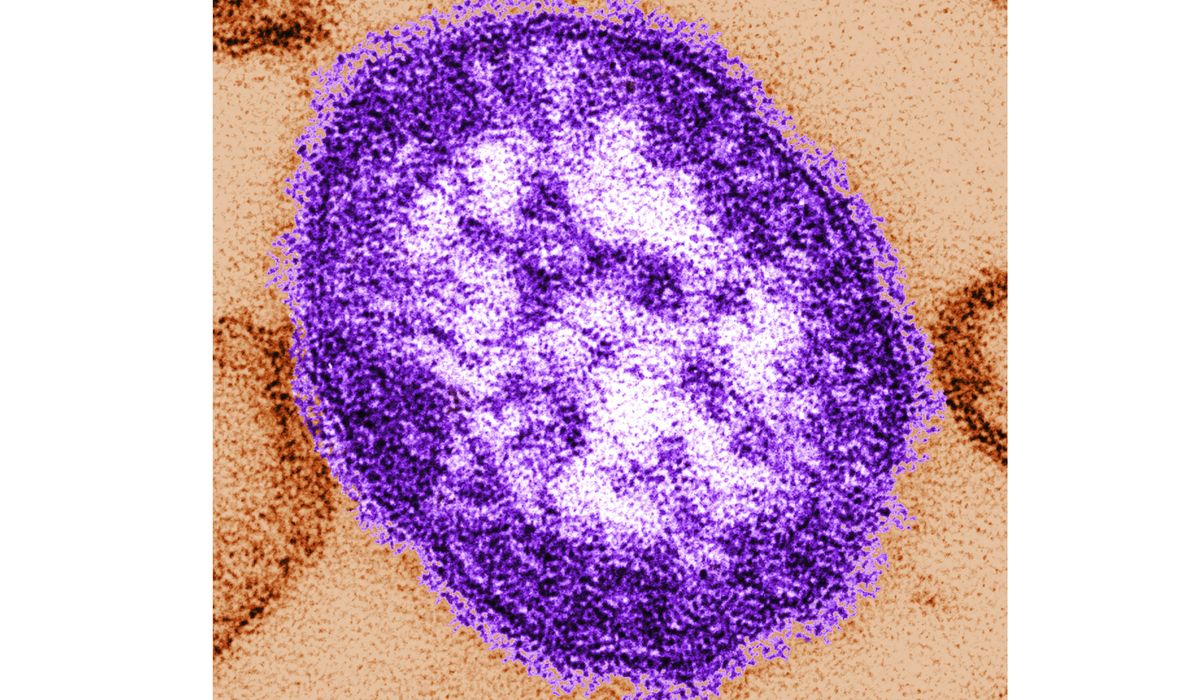
Maryland health officials have declared a measles outbreak affecting Carroll, Cecil and St. Mary’s counties, prompting local investigations and renewed emphasis on vaccination and containment efforts.
Maryland officials declared a measles outbreak Monday in Carroll, Cecil and St. Mary’s counties. Public health authorities are investigating cases, identifying contacts, and alerting clinicians and residents in the affected communities. The declaration signals an increase in confirmed or probable infections that requires coordinated response.
Measles is a highly contagious viral illness that spreads through respiratory droplets and can linger in the air for hours. Common symptoms include high fever, cough, runny nose, red eyes, and a characteristic rash that typically appears a few days after initial signs. Because it spreads so easily, a single case can lead to multiple secondary infections in populations with low immunity.
Vaccination remains the most effective defense against measles, with the measles-mumps-rubella vaccine offering strong protection when given according to recommended schedules. Public health teams often check vaccination records, offer catch-up immunizations for eligible people, and organize clinics to increase coverage rapidly in outbreak zones. Communities with gaps in immunization are the places where the virus finds the most opportunity to spread.
Local health departments usually deploy familiar containment steps: case confirmation through testing, contact tracing, isolation of contagious individuals, and targeted vaccination campaigns. They also send guidance to schools, daycare centers, and healthcare providers about exclusion policies for nonimmune people exposed to the virus. Quick identification and response reduce the number of new infections and limit disruption to daily life.
Infants too young to be vaccinated, people with weakened immune systems, and those who remain unvaccinated are the most vulnerable when measles arrives in a community. Even healthy adults can experience severe complications, including pneumonia, encephalitis, or prolonged hospital stays in some cases. Protecting at-risk groups depends on robust immunity across the broader population.
Clinicians in the affected counties are being asked to report suspected cases immediately and to use appropriate precautions when evaluating patients with fever and rash. Laboratory confirmation helps public health teams track the outbreak and determine whether cases are linked. Testing combined with thorough interviews of patients supports faster contact identification and reduces further spread.
Public messaging in an outbreak aims to give clear, practical steps without creating panic: know the symptoms, check immunity records, and seek medical advice if illness develops. Individuals are often advised to call ahead before visiting clinics so staff can take measures to protect other patients. Timely medical evaluation is important not just for diagnosis, but for reducing exposure risk in waiting rooms and other public spaces.
Schools and childcare programs may receive specific instructions on exclusion and return-to-care criteria to avoid classroom clusters. Employers and community organizations also play a role by being flexible with sick leave policies and encouraging those with uncertain immunity to consult their healthcare provider. Coordinated community actions help interrupt transmission chains faster than isolated responses.
Historically, measles was driven to low levels through widespread vaccination, but outbreaks continue to appear when immunity gaps exist. These clusters often happen in places with pockets of low vaccine uptake or where international travel introduces the virus into susceptible populations. The current outbreak in Carroll, Cecil and St. Mary’s counties reflects that ongoing risk and the need for local vigilance.
Health officials will continue to update local residents as investigations proceed and as containment measures are implemented. For now, the focus remains on identifying cases, protecting vulnerable people, and restoring the community to baseline levels of safety and normal activity.

