

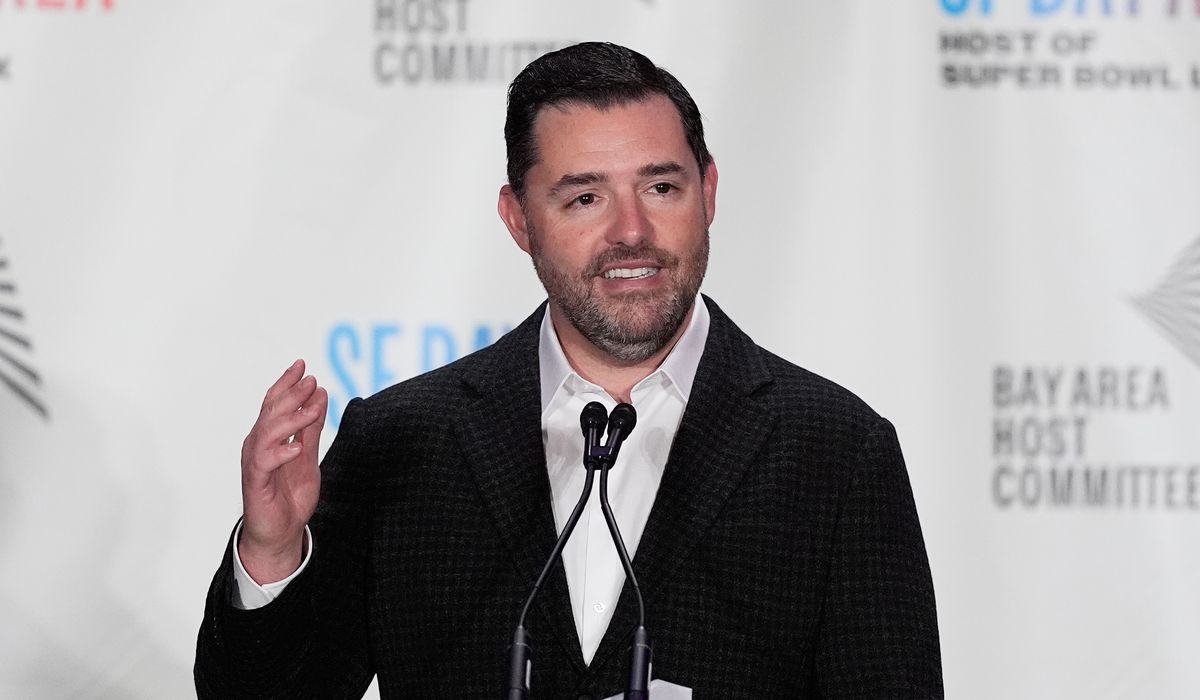
Commissioner Roger Goodell said the NFL is looking into whether San Francisco 49ers owner Jed York will be punished for violating the league’s personal conduct policy after he was caught in a public demonstration.
The league’s inquiry puts an NFL spotlight on ownership conduct in a way that has real consequences for teams and fans. Owners are not above the rules, and the commissioner has the authority to examine potential breaches of the personal conduct policy. This situation raises questions about how the NFL balances ownership rights with league standards and public expectations.
The personal conduct policy exists to set behavioral standards for players, coaches, and executives, and it can also apply to owners. When the commissioner signals an investigation, it typically starts with a fact-finding phase to gather statements, documents, and context. That initial review will determine whether the matter should move to formal discipline, a hearing, or be closed without action.
Possible outcomes range from public reprimands to fines and other penalties, depending on the findings and past precedent. The league aims to be consistent, but each situation has unique facts that shape any discipline. Because the inquiry involves an owner, the optics and potential fallout are often amplified compared with other types of investigations.
Practical steps in the process usually include interviews with witnesses, review of any recordings or photos, and legal analysis of applicable rules. The commissioner consults league counsel and may use independent investigators for sensitive issues. Throughout, the league must weigh due process against the need to respond quickly to public concern.
For the team, a prolonged investigation can be a distraction during a season and a strain on staff who must answer questions from media and sponsors. Ownership controversies can affect ticket sales and brand partnerships, especially if sponsors view the situation as reputationally risky. Front offices often try to insulate coaches and players, but public scrutiny can seep into locker rooms and practice facilities.
Owners are unique stakeholders because their actions reflect on the franchise itself as well as the league. That dual role means an owner’s conduct may lead to broader governance conversations about transparency and accountability in team leadership. Fan groups and local communities may demand clarity from both the team and the league as the inquiry progresses.
The league also weighs how any discipline will be perceived by fans, players, and business partners. Consistent enforcement builds credibility, but inconsistency fuels criticism that the rules apply differently depending on status. The NFL’s handling of owner conduct will be read closely by other team owners, who are interested in where boundaries are drawn.
Legal considerations matter as well, since civil or criminal issues can intersect with league rules and public policy. The NFL must avoid prejudging matters that could be litigated while still fulfilling its responsibilities under the collective bargaining agreement. That balance often requires a cautious, procedural approach before any public action is announced.
Ultimately, the investigation is likely to focus on whether specific behavior violated the personal conduct policy and what remedy, if any, is appropriate. The commissioner’s statement opens a phase of scrutiny that could take weeks or months depending on complexity. Throughout, stakeholders will be watching for fairness, speed, and the message the league sends about accountability.
The situation underscores that team ownership comes with public responsibilities that reach beyond the stadium. Accountability mechanisms exist for a reason, and how they are applied influences the league’s standing with its audience. Fans, media, and partners will be following developments closely as the NFL completes its review.

