

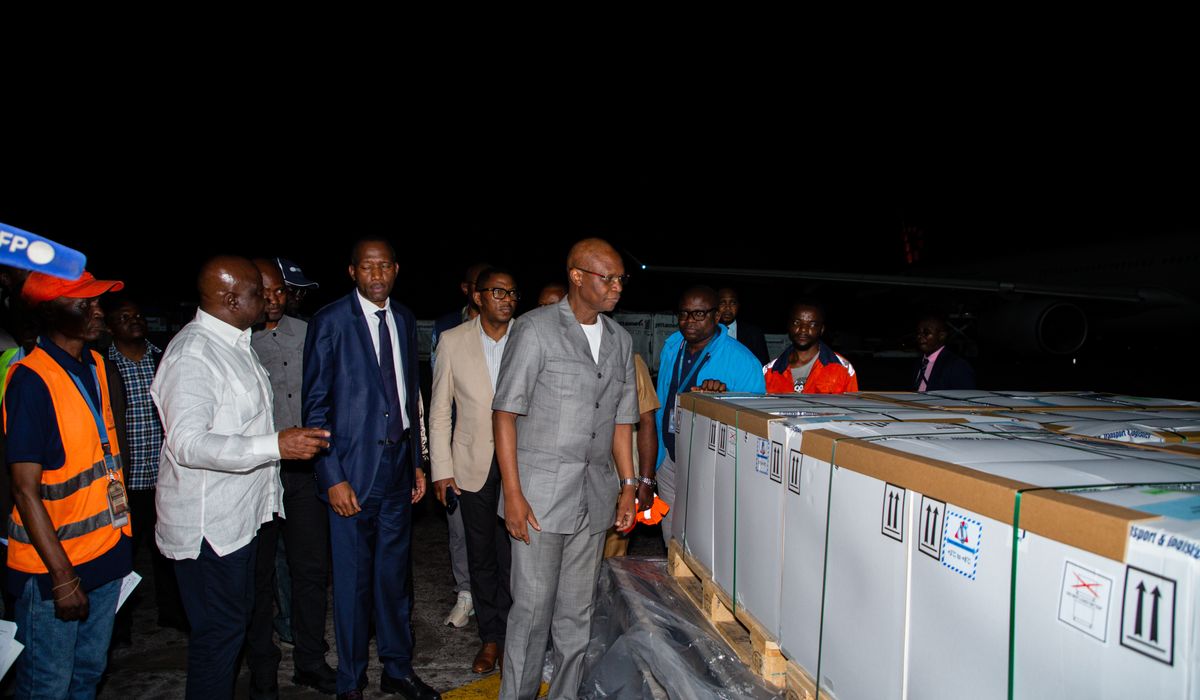
Congo on Thursday began vaccinating people against Ebola, and health teams are racing to slow what officials call the deadliest outbreak of the disease on record. The campaign aims to reach people most at risk while authorities try to contain transmission chains and protect frontline workers. Early vaccinations are one part of a response that includes contact tracing, testing, and local engagement.
Health teams have rolled out a targeted vaccination effort focused on people who are most likely to have been exposed and those who care for them. The approach prioritizes contacts, contacts of contacts, and health personnel in identified hot spots to cut off chains of transmission fast. That strategy tries to balance speed with the practical limits of vaccine supply and delivery capacity.
Reaching remote communities is a major hurdle. Many affected areas lack paved roads, reliable power for cold storage, and steady transport, which complicates efforts to carry and keep vaccine doses at required temperatures. Teams often have to coordinate air or motorcycle transport and set up temporary cold chains to get shots into arms without wasting doses.
Trust matters as much as logistics in an outbreak response. Officials and responders are working to build relationships with local leaders, explain how vaccination works, and address fears and misinformation that can slow uptake. When communities understand the reasons for vaccinations and see transparent procedures, turnout improves and cooperation with contact tracing follows.
Frontline health workers are a priority because they face the highest exposure risk and are essential to all other interventions. Protecting clinics with proper personal protective equipment, training in safe patient handling, and vaccination helps keep the health system functioning. When staff feel supported and safe, they can continue testing, treating, and monitoring cases without pause.
Surveillance and rapid testing remain central to controlling spread alongside vaccines. Identifying new cases quickly, isolating patients, and mapping their recent contacts allow responders to act before clusters expand. Strengthening lab capacity and speeding sample transport are key steps in making that system work reliably under pressure.
The outbreak’s dynamics mean coordination beyond national borders is a constant concern. Movement of people for trade, work, or family visits can carry the virus across frontiers, so neighboring countries and international partners often align surveillance and response plans. Shared information and joint readiness help reduce the chance of wider spread.
Vaccine deployment is also a learning opportunity for longer-term resilience. Lessons about cold chains, community outreach, and rapid mobilization feed into plans to make future responses faster and less disruptive. Investments now in logistics, lab networks, and workforce training can pay dividends for routine health services as well as for epidemic control.
As vaccination teams continue their work, officials emphasize that no single tool ends an outbreak on its own; vaccines are paired with testing, isolation, and local cooperation to interrupt transmission. The coming days and weeks will test how effectively those elements come together in the field, with lives and health outcomes depending on coordination, communication, and sustained effort.

