

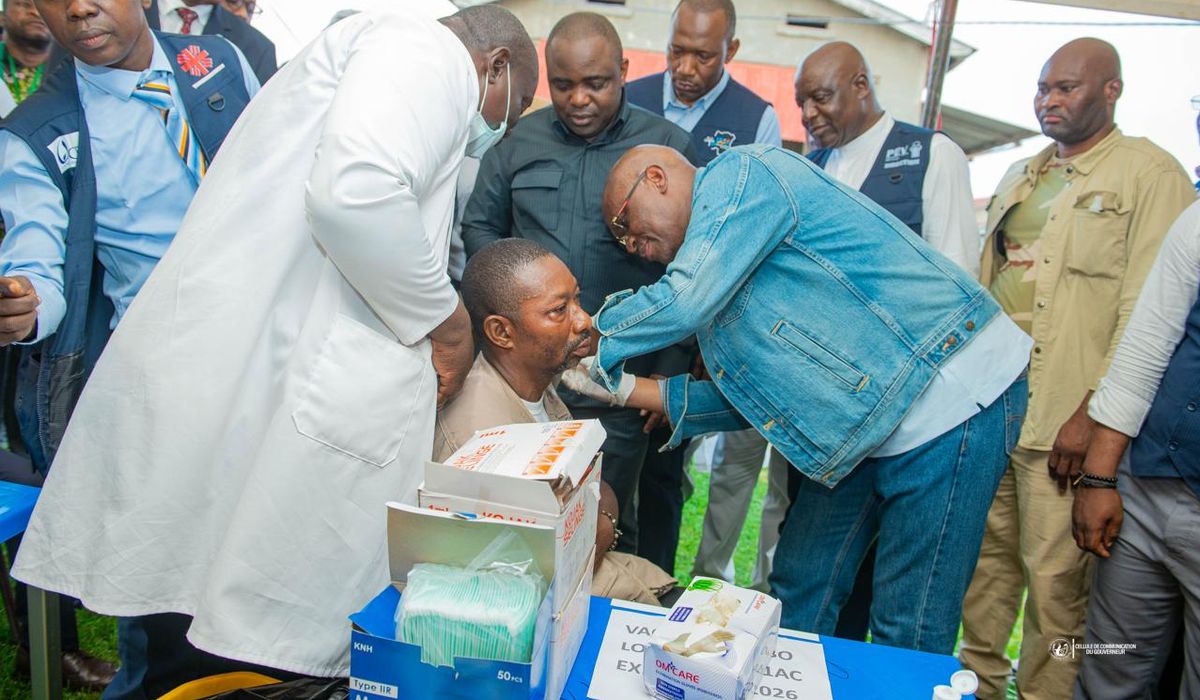
The fastest-growing Ebola outbreak in history has spread to two new health zones in eastern Congo, with a total of 60 now affected, according to the latest government figures published on Friday.
Health officials in eastern Congo are racing to contain what they call the fastest-growing Ebola outbreak in history after authorities reported the virus has reached two additional health zones. The official count now lists 60 health zones affected, a sharp jump that has alarmed both local responders and international observers. Cases are appearing in places that were previously free of the virus, complicating efforts to trace contacts and deliver care.
Frontline teams describe an outbreak moving along transport routes and river networks, where community ties and commerce create lots of opportunity for spread. That pattern forces responders to juggle surveillance with vaccination campaigns while trying to respect local customs. The challenge is widening in an area already strained by insecurity and gaps in health infrastructure.
Local clinics and treatment centers are under pressure as patients seek care and testing increases, which can make the situation look worse while also revealing the true scale of transmission. Health workers have reported clusters tied to family gatherings and travel between towns, which are typical drivers in fast-moving outbreaks. At the same time, some rural areas remain hard to reach, so official counts may lag behind reality.
Vaccination teams are focusing on high-risk contacts and health workers, but rolling out doses in dozens of newly affected zones is a logistical puzzle. Cold chain requirements and staffing shortages make wide coverage difficult, and hesitancy in some communities slows uptake. Even when vaccines are available, reaching people who have fled their homes or moved between zones is a constant problem.
Contact tracing is the backbone of the response, yet it becomes less effective when cases pop up in multiple new zones at once. Tracers must locate anyone who may have been exposed, often with incomplete information and while facing local distrust. When tracing fails, the virus finds new footholds and the outbreak gains momentum.
International aid groups are stepping in to support testing, treatment, and risk communication, but coordination takes time and political will. Supplies and staff are being marshaled, but moving them into volatile or remote locations remains risky. The response depends on rapid, targeted action in each of the affected health zones to avoid further spread.
Public messaging emphasizes basic prevention: seek care for symptoms, avoid exposure to bodily fluids, and cooperate with health teams on tracing and vaccination. Community leaders and health educators are being enlisted to overcome skepticism and explain why containment measures matter. Clear, consistent communication is crucial when fear can lead people to hide symptoms or avoid treatment.
Officials warn that the coming days will be critical as authorities try to stop transmission chains in the newly affected zones and stabilize the situation in places already reporting cases. Efforts will focus on bolstering treatment capacity, expanding immunization where possible, and intensifying surveillance to catch new cases early. The goal is to prevent further spread while protecting health workers and vulnerable communities.

