

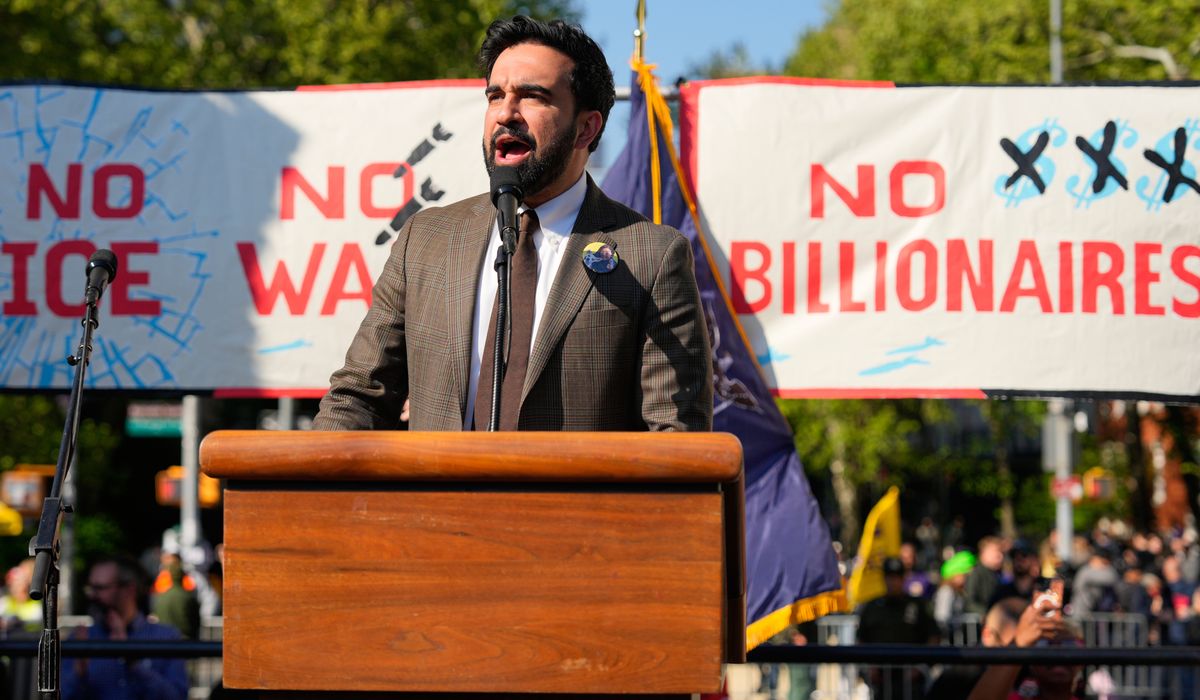
Leaders who preach class warfare while living comfortable lives are exposing a gap between rhetoric and reality, and that gap matters for renters, taxpayers, and the rule of law.
The leaders of America’s socialist movement are calling for rent strikes, denouncing capitalism and pillorying the rich. They use fiery language about fairness while often shielded by wealth, perks, and upscale lifestyles. That contrast invites skepticism about whether their proposals are aimed at systemic reform or score political points.
Rent strikes may sound righteous on a protest sign, but they carry real consequences for ordinary people. When tenants withhold rent, landlords face cash flow problems that can lead to deferred maintenance, evictions, or buildings being put into receivership. The people who suffer first are often low- and middle-income renters who depend on functioning housing markets and responsive property owners.
It is worth noting the optics of organizers demanding economic sacrifice from others while enjoying private beach clubs, luxury cars, and million-dollar homes. Voters see inconsistency and ask whether policies will be enforced equally or tailored to protect the organizers themselves. That inconsistency fuels cynicism and undermines the moral authority needed to persuade a broader public.
Beyond optics, blanket attacks on capitalism ignore the mechanisms that produce housing and opportunity. Businesses, investors, and developers take financial risk to build apartments, maintain properties, and offer mortgage credit, and those activities depend on predictable rules and returns. Policies that discourage investment will not eliminate inequality; they will reduce the supply of housing and raise costs for the very people the rhetoric claims to help.
Targeting the well-off with slogans and punitive taxes might be politically satisfying to some, but it is not a substitute for workable policy. A stable housing market requires clear contracts, enforceable property rights, and a flow of capital that underwrites new construction. Disruptions like rent strikes and confiscatory proposals threaten that stability and shift costs onto families who can least afford them.
There is also a legal dimension often downplayed in rallies and broadcasts. Lease agreements are legal contracts, and broad encouragement to breach them invites judicial pushback and costly litigation. Courts that enforce contracts are not being obstructionist; they are preserving a civic framework that allows strangers to cooperate across time and space. Undermining that framework risks long-term harm to economic order.
Policy debates should be about outcomes, not ceremonies of moral superiority. If the goal is more affordable housing, practical levers include easing permitting, incentivizing construction, and reforming zoning to encourage density and competition. Those steps require pragmatic compromises rather than performative condemnations of markets and investors.
When political leaders live lives shielded from the consequences of their proposals, the public deserves transparency and accountability. Critics who charge “hypocrisy” are not simply trading insults; they are highlighting a governance problem where rules should apply equally to everyone. Public trust erodes when leaders expect sacrifices from ordinary citizens while insulating themselves.
Finally, honest debate about inequality must separate earnest reformers from opportunists. Americans want solutions that increase opportunity without destroying incentives that generate jobs and housing. Calling for rent strikes and denouncing capitalism in broad strokes may mobilize activists, but it is unlikely to produce the lasting, practical policies needed to improve people’s lives.

