

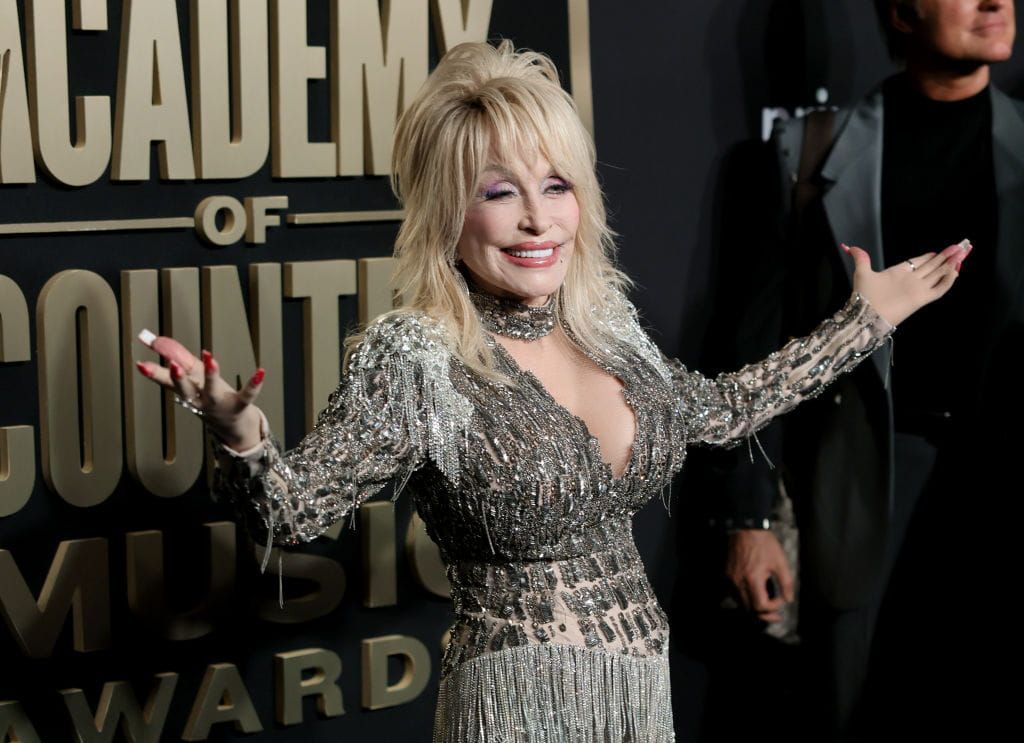
Dolly Parton’s life combined showmanship, sharp business sense, deep faith, and long-running generosity, leaving a cultural and philanthropic legacy that stretched from Tennessee’s mountains to international programs for children.
Dolly Parton’s death at age 80 closed a chapter on one of America’s most recognizable entertainers. Born one of 12 children in rural Tennessee, she rose from poverty to extraordinary wealth, with estimates of her estate ranging from $450 million to $650 million. Her image—big hair, sequins, and a buoyant stage presence—was only the surface of a complicated and capable career. Parton’s life read like a textbook American Dream built on talent, grit, and savvy deal-making.
Country music launched her, but she did not stay confined to a single lane. She crossed into pop and broader entertainment, earned induction into the Rock and Roll Hall of Fame, and wrote songs that lodged in the public memory for decades. Hits like “Jolene,” “Coat of Many Colors,” “Working 9 to 5,” and “I Will Always Love You” carried her from Nashville to global stages. Those songs are only one thread in a career that included acting, producing, and licensing a wide range of Dolly-branded businesses.
Parton’s business instincts were clear from early on, shaped by a family that mixed hardship with practical smarts. Her father could not read or write but understood business, and her mother gave her a love of music. That combination helped her navigate offers and retain control over her work, including turning down arrangements that would have cost her major rights. Stories about her refusal to surrender half the rights to “I Will Always Love You” to Elvis Presley’s camp became part of her legend as a shrewd operator in an often ruthless industry.
She handled criticism with a mixture of humor and confidence, refusing to be boxed in by other people’s judgments. After Barbara Walters suggested Parton was “a joke,” Parton replied precisely and without flinching: “I know exactly what I’m doing, and I can change it at any time. I make more jokes about myself than anybody because I’m sure of myself as a person. I am sure of my talent, and I’m sure of my love for life. I’m very content. I like the kind of person that I am.” That answer captured her knack for controlling the narrative around her persona.
Parton built more than a music catalog. She assembled a business empire that included a theme park bearing her name and multiple real estate holdings, plus a steady stream of merchandise that kept her brand in front of new audiences. Her sustained commercial success made her one of the wealthiest entertainers in the world, and she used that success to underwrite large-scale charitable work. Her profile and business reach made philanthropy a logical extension of her public life.
Philanthropy defined a major portion of Parton’s legacy, especially her focus on children and literacy. In 1988 she founded the Dollywood Foundation to fight high school dropout rates and later launched Dolly Parton’s Imagination Library, a program that mails a free book to children from birth until they begin kindergarten. The Imagination Library now operates beyond the United States, extending into Ireland and the UK, and its scale and longevity reflect a genuine institutional commitment rather than a publicity stunt. When news of her death spread, the Royal Family acknowledged her impact, saying: “Remembering the late, great Dolly, who brought joy, comfort and inspiration to so many.”
Faith and spirituality were personal pillars for Parton, expressed in private rituals and public remarks. She reportedly began each day reading the Bible and praying, calling herself spiritual rather than strictly religious. Raised Pentecostal in the Church of God, she often said actions mattered more than sermons when showing people the gospel. On the question of an afterlife she once quipped: “I guess nobody knows for sure if there is a heaven. But if there is, I just hope to hell I go.”
Parton’s humor and self-deprecation were constant tools she wielded to disarm critics and connect with fans. A few of her famous lines survive as mini-manifestos of her approach: “I’m a self-made woman, and I have the doctor bills to prove it.” “It costs a lot of money to look this cheap.” “When I talk to a man, I can always tell what he’s thinking by where he’s looking…” Those quips landed because they were honest and crafted with a performer’s timing.
She could also be philosophical in a way that felt earned rather than performative. “The way I see it, if you want the rainbow, you got to put up with the rain.” “Storms make trees take deeper roots.” “Find out who you are. And do it on purpose.” Those lines and her life story offered simple guidance grounded in years of hard work and public scrutiny. For fans, colleagues, and beneficiaries of her charities, Parton’s combination of humor, faith, and practical generosity created a lasting and unusually broad legacy.
Beyond the awards, charts, and business milestones, Parton’s public image often masked private struggles, including medical issues that prevented her from having children. Instead of private sorrow, she chose to channel resources toward young people, making her philanthropic work an active substitute for the family she could not have. That decision, and the institutions she built to sustain it, ensures her name will be attached to tangible outcomes for years to come.

