

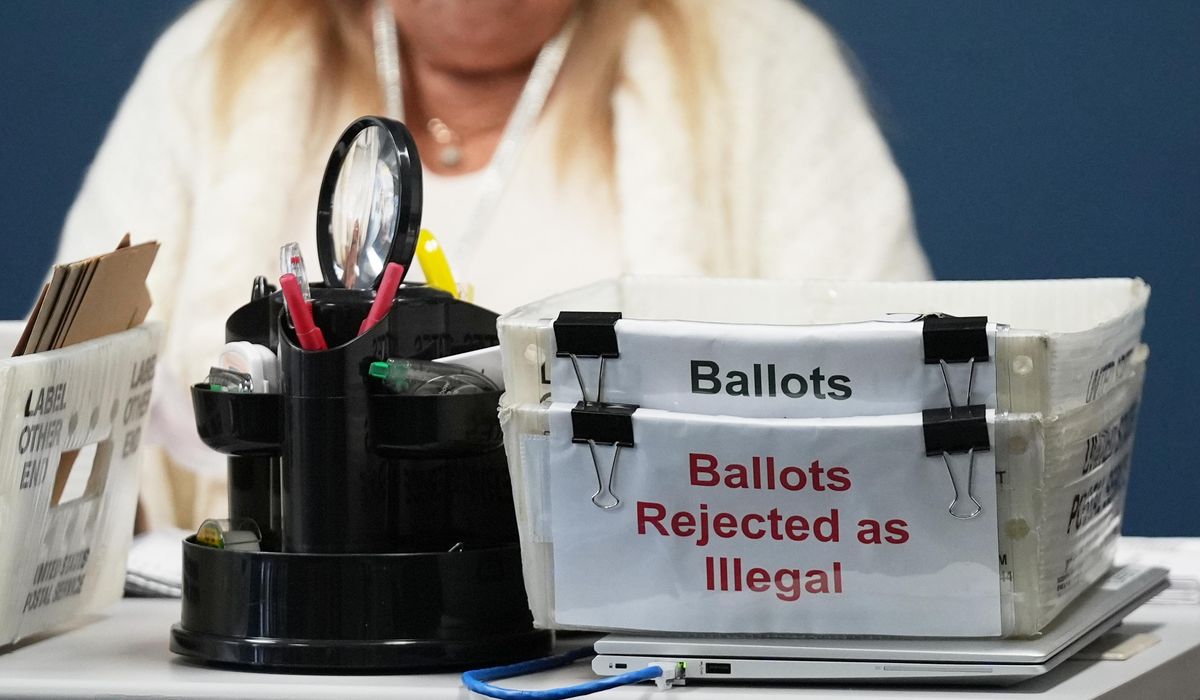
A quick legal turn: the administration appealed a judge’s restraining order affecting the Postal Service and election-related operations
The Trump administration filed a quick appeal late last week, just hours after a federal judge issued a new restraining order forbidding the U.S. Postal Service from carrying out President Trump’. That abrupt sequence set off immediate legal maneuvering and public debate about how courts can limit federal agencies. Officials from the administration framed the appeal as necessary to protect executive authority and ensure predictable mail operations. The move escalated a fight that touches on elections, federal power, and the logistics of national voting systems.
From a Republican perspective, the appeal was a straightforward defense of constitutional roles. Courts can and should check government action, but judges must not substitute their policy preferences for the decisions of elected officials. When an order arrives without time to respond, filing an expedited appeal is the right tool to preserve the government’s ability to operate. Republicans argue that electoral infrastructure must be treated with clarity, not uncertainty created by temporary injunctions.
The restraining order created immediate practical questions about how the Postal Service would handle mail tied to elections and executive directives. Postal workers and supervisors need clear, consistent rules to plan staffing, routes, and delivery protocols. A judge’s order that changes those rules overnight can cause confusion at the local level. The administration’s appeal sought to restore predictability so the postal system can function without sudden legal whiplash.
There is also the political layer. Republican leaders stressed that the appeal was not about avoiding accountability but about pushing back against what they see as judicial overreach. They pointed out that appeals are a normal part of the legal system and help ensure that complex issues are reviewed carefully. By taking the case up quickly, the administration signaled that it wants an authoritative ruling rather than piecemeal orders. That approach keeps the legal fight focused in appellate courts where precedent matters most.
Legal teams on both sides say timing matters. Appeals courts can issue stays or modify orders on an accelerated schedule, and that speed can prevent conflicting obligations from falling on federal agencies. The administration argued that those conflicting obligations would otherwise leave the Postal Service unsure which instruction to follow. For officials managing nationwide operations, clarity from higher courts is essential to avoid operational chaos and prevent local managers from making inconsistent choices.
Critics, including many Democrats, insisted the restraining order was necessary to prevent what they described as harmful changes to postal operations in the run-up to elections. They said courts stepped in because of evidence suggesting the need for immediate protections for mail ballots and delivery services. Republicans countered that preserving executive authority does not mean undermining the vote, and that legal processes exist to address legitimate concerns without paralyzing federal agencies.
Republican lawyers emphasized precedent and procedural fairness when explaining the appeal. They framed the injunction as an extraordinary remedy that should be used sparingly, not as a first response. By taking the case to the appeals court, the administration aimed to ensure that any long-term changes come through clear legal findings rather than emergency orders. This position rests on the view that courts should balance urgency with restraint.
Beyond legal technicalities, the episode highlights how infrastructure and politics intersect in modern campaigns. The Postal Service delivers ballots, packages, and essential correspondence, and any disruption can ripple across communities. Republicans argued that sudden, broad judicial orders risk unintended consequences for ordinary citizens who rely on predictable mail service. The appeal thus framed itself as protecting everyday functions from abrupt legal shocks.
Observers on all sides noted that the appellate timeline would determine how the Postal Service behaves in the near term. A fast ruling could either lift the restraining order or reinforce it with clarifying guidance, while a delayed decision would prolong uncertainty. Republican officials maintained that swift appellate review was the best path to a stable rule of law that respects both public administration and voters’ rights. They made clear they preferred settled law over temporary fixes.
Ultimately, the dispute centers on competing priorities: immediate judicial remedies versus orderly administrative control. Republicans argue that elected officials and their agencies must be allowed to manage operations unless a court clearly proves harm that justifies intervention. The appeal sought to bring that debate to the next level of review, asking judges to weigh short-term protection against long-term governance. How the appeals court responds will shape not just this case but how similar conflicts are handled in the future.
For now, the legal fight continues and the Postal Service remains caught between competing orders and political pressure. The administration’s appeal is part of a familiar playbook: move fast, seek higher review, and aim for a clear legal resolution. That strategy reflects a Republican view that courts should provide careful oversight without upending core functions of government on an emergency basis.

