

The United Arab Emirates’ air force intercepted an Iranian drone over its territorial waters Monday, the Defense Ministry said, an attack that comes after the United States and Iran exchanged fire and has heightened regional tensions.
The UAE says its air force intercepted an Iranian drone over its territorial waters Monday, according to the Defense Ministry. Officials described the action as defensive and framed it as protection of sovereign airspace. The brief engagement underscores how quickly routine patrols can turn into dangerous confrontations near busy shipping lanes.
This incident arrives amid an uptick in incidents between the United States and Iran, where exchanges of fire and provocative operations have become more frequent. Those actions are not isolated; they are part of a pattern that puts Gulf partners on edge and stretches U.S. commitments. When Tehran tests the patience of regional allies, it forces neighboring states to sharpen their own defenses in real time.
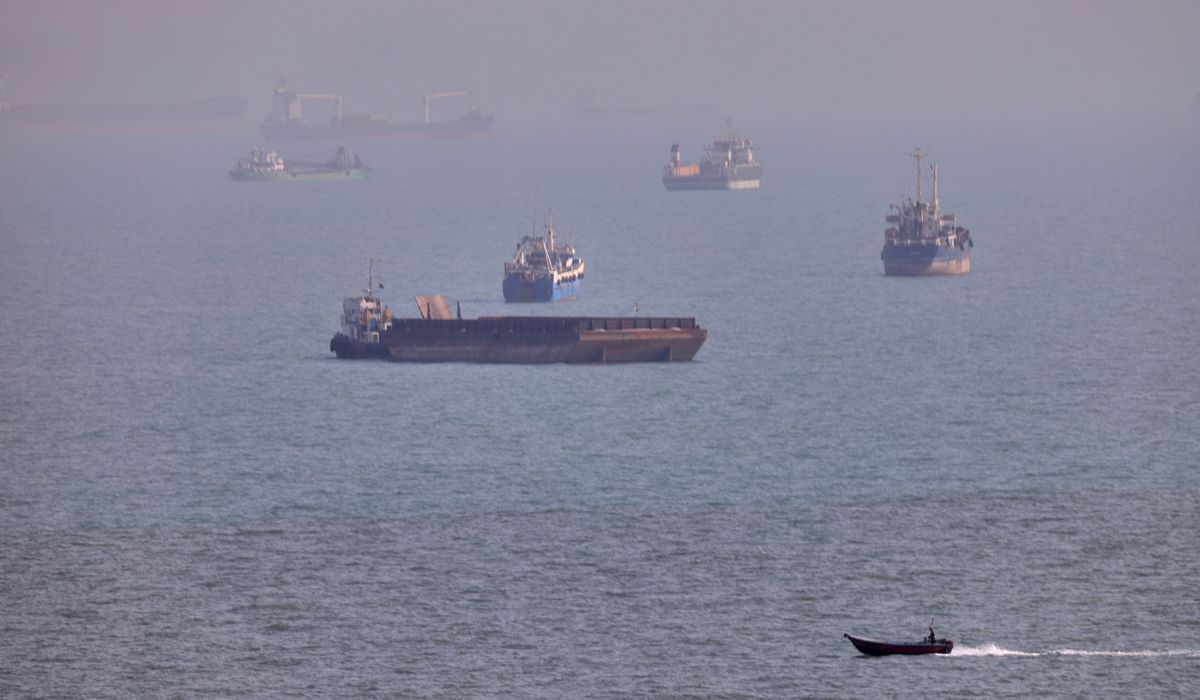
From a practical standpoint, hostile drone operations threaten merchant traffic, offshore infrastructure, and the safe movement of energy supplies that global markets depend on. The Gulf is a narrow corridor, and a single miscalculation can disrupt oil shipments or trigger wider military responses. That reality makes clear why Gulf states invest in layered air defenses and why allied coordination matters more than ever.
U.S. involvement in the region remains essential, and the latest confrontation shows why deterrence must be credible. A Republican view favors clear consequences for aggression: swift, proportionate measures that restore deterrence without inviting needless escalation. Diplomacy has its place, but deterrence backed by demonstrated capability is what keeps small incidents from becoming large wars.
The UAE’s ability to detect and intercept a drone over its waters speaks to improved regional capability and cooperation. Gulf states have been upgrading sensors, interceptors, and rules of engagement to respond to gray-zone tactics like unmanned systems. Those investments lower the chance that a provocative act slips through and cause a larger crisis that drags in outside powers.
Still, the risk of misstep is real. Drones can be difficult to identify at a glance, and attribution in the heat of the moment is rarely perfect. That uncertainty creates space for misreading intentions and reacting too aggressively or too hesitantly. Military planners and political leaders alike have to account for that fog of conflict and set clear protocols so responses are measured and effective.
On the diplomatic front, pressure on Tehran must remain firm and coordinated. Economic measures, targeted sanctions, and international isolation have been useful levers in the past, but they work best when matched with a credible defense posture. Regional partners need reassurance that deterrence is not just rhetoric but backed by capability and resolve.
For Gulf capitals and Washington, the immediate task is layered: secure sea lanes, harden key infrastructure, and keep communication channels open to prevent miscalculation. At the same time, allies should remind adversaries that actions have consequences and that efforts to project power through proxies or stand-off systems will meet a coordinated response. The threshold for acceptable behavior in the Gulf must be clear to everyone operating there.
Going forward, vigilance and capability will be the clearest defense against accidental escalation. Neutral statements won’t stop drones from probing defenses, and idle warnings won’t reassure commercial operators or energy markets. The region needs policies that combine deterrence, clear rules of engagement, and firm international backing to keep small incidents from spiraling into something far worse.

