

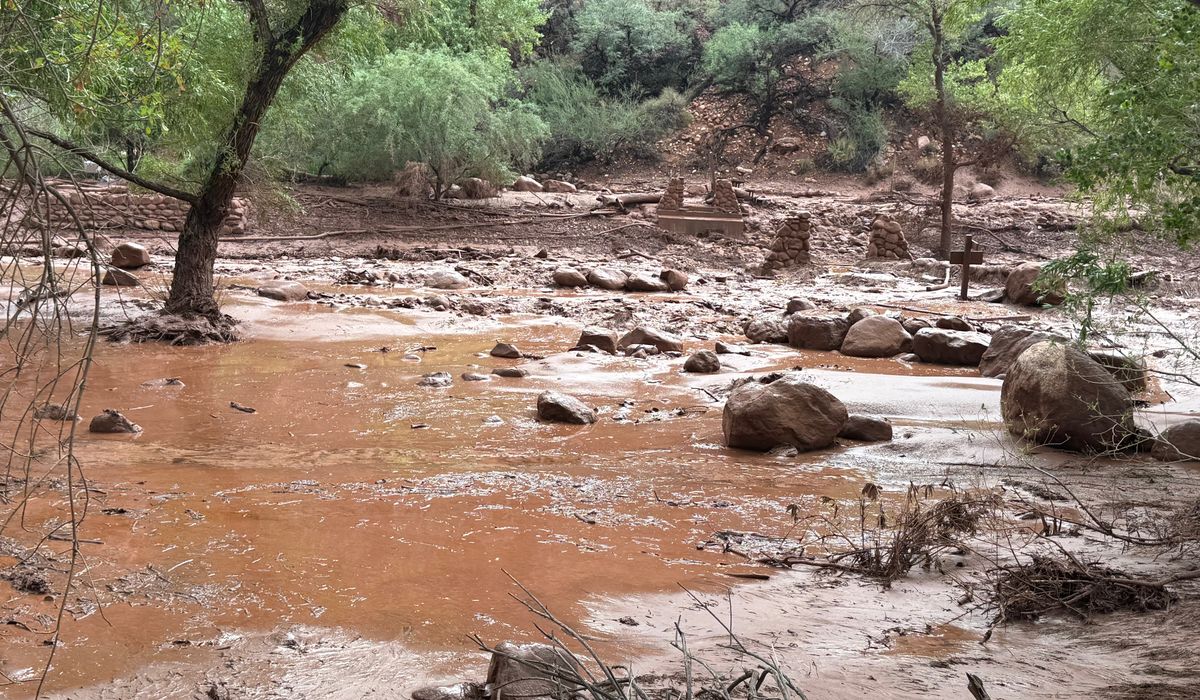
The Grand Canyon saw a sudden flash flood that forced evacuations and sent large boulders, metal structures, and other debris plunging into the Colorado River.
A fast-moving flash flood raced through the Grand Canyon, prompting officials to evacuate dozens of people from affected areas. The torrent carried heavy rocks and pieces of infrastructure into the Colorado River that threads the canyon. Park staff and emergency crews moved quickly to account for visitors and get people to safer ground.
Witnesses described scenes of roaring water and debris slamming into the river corridor, leaving a chaotic trail behind. Metal frames, camping gear, and tree limbs were among the items swept downstream, creating immediate hazards for river traffic. The scale of material moved highlighted how powerful short, intense storms can be in canyon terrain.
River operators and downstream interests were alerted as the flood dumped a sudden surge into the Colorado, raising concerns about navigational safety and water quality. Debris in the channel can puncture rafts, block narrow passages, and create unexpected hydraulics that challenge even experienced guides. Officials emphasized the need to inspect and clear the river of dangerous obstructions before normal operations resume.
Evacuated visitors were taken to staging areas where park personnel provided basic assistance and information about conditions. Medical teams were on standby, though injuries reported were limited given the speed of the response. The evacuation effort prioritized moving people away from steep canyon walls and fast-moving water where secondary surges could occur.
The flooding event followed a burst of intense rainfall upstream, a common trigger for sudden canyon floods during seasonal storms. The Grand Canyon’s steep, narrow tributaries funnel runoff rapidly into the main river, turning a brief downpour into a powerful, concentrated flow. Geologists note that the canyon’s topography and sparse soils accelerate these events, which can arrive with little warning.
Park managers are coordinating assessments to determine structural damage to trails, campsites, and infrastructure near the river corridor. Heavy boulders and displaced installations may require substantial work to remove or stabilize before visitors can safely return to some areas. That cleanup will also factor in environmental protection as crews sort recoverable items from hazardous debris that must be removed carefully.
Downstream communities and river trip operators have been notified about the increased debris load and potential changes in river behavior. Commercial and private trips must account for altered conditions, including unexpected obstacles and shifts in flow patterns. Authorities plan to survey critical stretches of the river and issue guidance once hazards are mapped and mitigated.
While flash floods are a natural part of the Grand Canyon’s hydrologic system, the recent event serves as a reminder of the canyon’s volatility during storm periods. Officials are reviewing the incident to refine monitoring and public alerting practices for rapid-onset floods. In the meantime, crews continue work to secure affected areas and protect both visitors and the park’s natural resources.

