

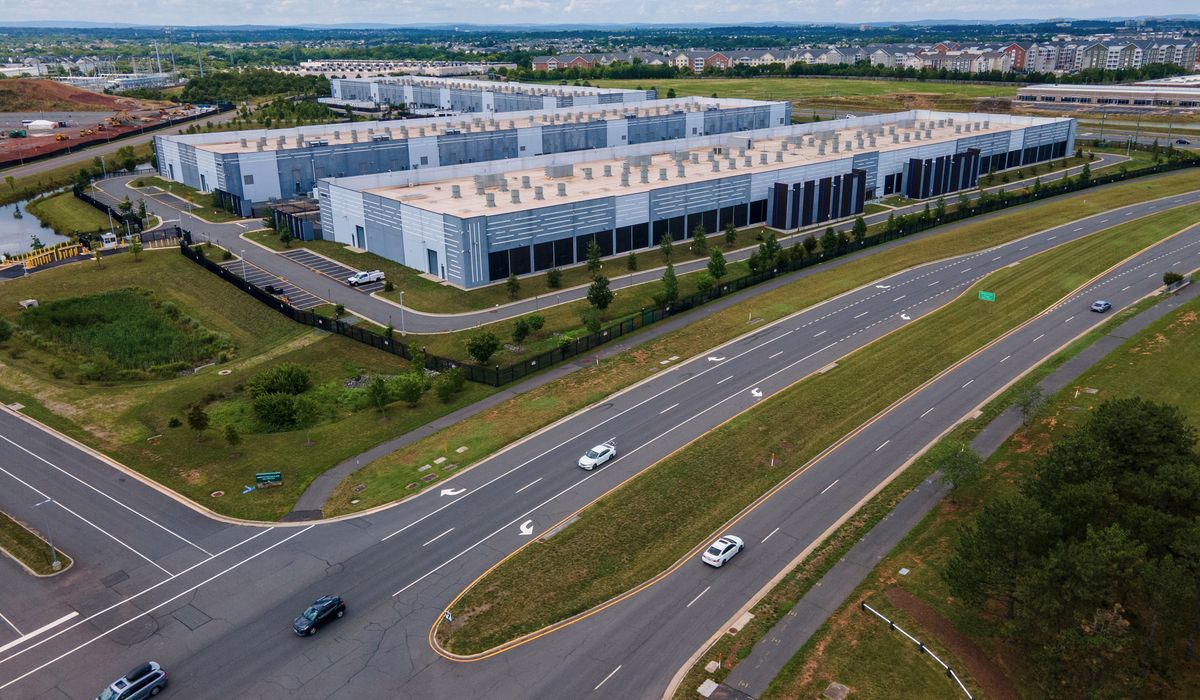
President Trump’s comment about towns turning away large data centers has sparked a debate over local choices, economic opportunity, energy needs, and how communities balance growth with practical concerns.
President Trump on Monday said towns that reject big data centers will fumble the “Golden Goose” and end up poor. That blunt line has been picked up across the country as local officials weigh whether to welcome massive server farms or push them away. The comment frames the decision as a simple trade-off: short-term caution versus long-term economic opportunity.
Data centers are not glamorous, but they are solid economic anchors that bring construction activity, ongoing technician jobs, and long-term tax revenue. They support local suppliers, from electrical contractors to construction firms, and often generate indirect employment in hospitality and services. For communities trying to rebuild local economies, those steady streams of activity matter.
Local leaders raise legitimate concerns about power draw, water use, and land that could be used for housing or farming. Communities also worry about the pressure to offer tax incentives and whether those deals truly pay off. From a Republican standpoint, those worries are real but solvable with sensible contracts and clear standards instead of reflexive rejection.
One big obstacle is regulatory friction: lengthy zoning fights, uncertain permitting timelines, and layered approvals from county, state, and utility authorities. That uncertainty scares off investment and rewards delay activists more than taxpayers. Cutting red tape and setting transparent rules sends a strong signal that a town is open for business without surrendering local control.
Electric grid reliability is central to this debate because data centers require stable, high-capacity power 24/7. Rather than seeing centers as a burden, many utilities view them as anchors that justify infrastructure upgrades paid for by private investment. Encouraging private partnerships and permitting on-site resiliency measures can protect both local taxpayers and data center operations.
Tax incentives deserve tough scrutiny, not reflexive hostility. Republican policy favors targeted incentives tied to clear, enforceable community benefits like job commitments, local hiring provisions, or infrastructure investments. That approach ensures communities capture value and can claw back concessions if promises fall short.
Towns also face a larger strategic choice about competitiveness. In a mobile economy, businesses will go where the rules are predictable and the costs are reasonable. Communities that treat data centers as a nuisance risk losing industrial investment that could fund schools, roads, and emergency services for years to come. Local officials should weigh that opportunity cost honestly.
Ultimately, the question is not whether data centers are perfect, but whether a pragmatic path exists to manage their impacts while seizing the upside. With firm contracts, clear standards, and streamlined permitting, towns can protect quality of life and capture new revenue. The choice is straightforward: modernize rules and position a community to win, or let opportunities slip away to places that will.

