

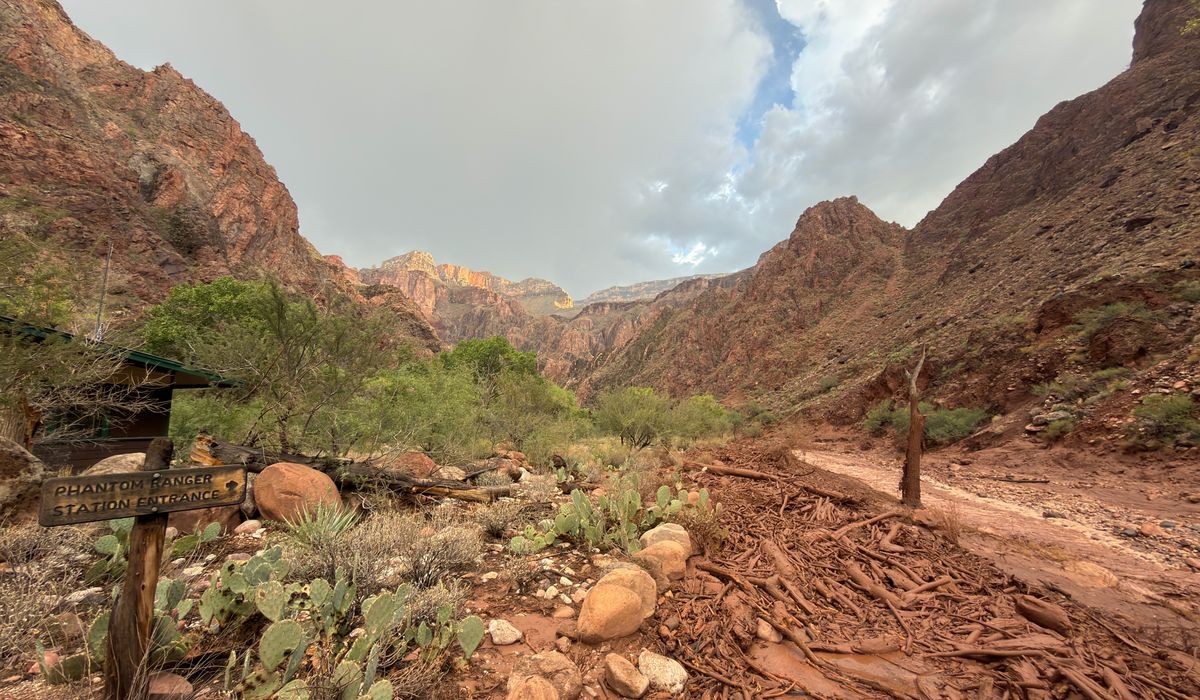
More rain and thunderstorms were possible Monday at the Grand Canyon after a major flash flood left one person dead and about 15 people missing or unaccounted for, and prompted the evacuation of scores of visitors.
The sudden flash flood swelled narrow canyon washes and cut off trails and backcountry routes, leaving search-and-rescue teams racing against worsening weather and rising water. Park officials confirmed one fatality and said roughly 15 people were missing or unaccounted for amid ongoing efforts to locate them. Evacuations moved many visitors to safer zones while crews focused on the hardest-hit areas.
Emergency responders faced steep terrain, limited radio lines of sight, and rapidly changing conditions that complicated rescue work. Helicopters were staged where possible, but high winds and storm clouds limited air support at times. Ground teams worked from established trails and access points, carrying medical gear and coordinating with incident command to prioritize the most urgent searches.
Weather forecasts pointed to the possibility of more showers and thunderstorms through Monday, increasing the risk of additional flash flooding in narrow channels and downstream campsites. Flash floods in the canyon can arrive with little warning after heavy rain upstream, and muddy water moves fast enough to sweep people and gear away. Park rangers and meteorologists warned hikers and river runners to avoid low-lying areas and to heed closure orders until conditions stabilize.
Park services implemented temporary closures and rerouted visitors away from affected trails and popular viewpoints, focusing on public safety rather than convenience. Visitor centers and staging areas became points for family reunifications and for officials to gather information on missing persons. Agencies emphasized that nobody should attempt to return to closed zones until search-and-rescue teams and park management give the all-clear.
Many of the missing were believed to have been hiking or camping in tributary canyons known for their dramatic but dangerous flash-flood behavior. Those side canyons quickly channel rainfall into a surge that can rise several feet in minutes, carrying boulders and debris. Even experienced hikers can be caught off guard when storms build rapidly over the plateau and drop heavy rain into drainage basins far upstream.
Visitors told officials that the flood came fast, turning a dry wash into a churning torrent and sweeping away equipment and campsites. With steep granite walls and limited escape routes, people in narrow slots have little time to climb to safety once water starts moving. The park asked anyone with knowledge of companions’ plans or last-known locations to contact rangers immediately to help narrow search areas.
Ranger teams coordinated with county and state emergency services to extend the search perimeter where necessary, and to bring in specialized swiftwater and technical rescue personnel. Incident command set up a central operations center to manage resources, log sightings, and maintain communication with families and the public. Records and sign-in logs at trailheads proved useful in reconstructing group movements and helping responders prioritize where to look first.
Officials emphasized common-sense preparations for anyone visiting the canyon during monsoon season, including checking weather updates, registering plans with park staff, and carrying reliable communication gear. Flash floods are an inherent hazard in desert river systems during summer storms, and simple precautions can make the difference between a safe exit and a dangerous situation. Rangers reminded travelers that conditions can change rapidly and that backcountry permits do not exempt parties from evacuation orders.
As crews pressed on with rescue and recovery, public safety remained the immediate priority while investigators pieced together the timeline of the flood. Park management planned to review trail and campsite vulnerabilities once waters recede and access is restored. For now, officials continued to urge patience and cooperation from visitors while search teams do their work and the weather clears.

