

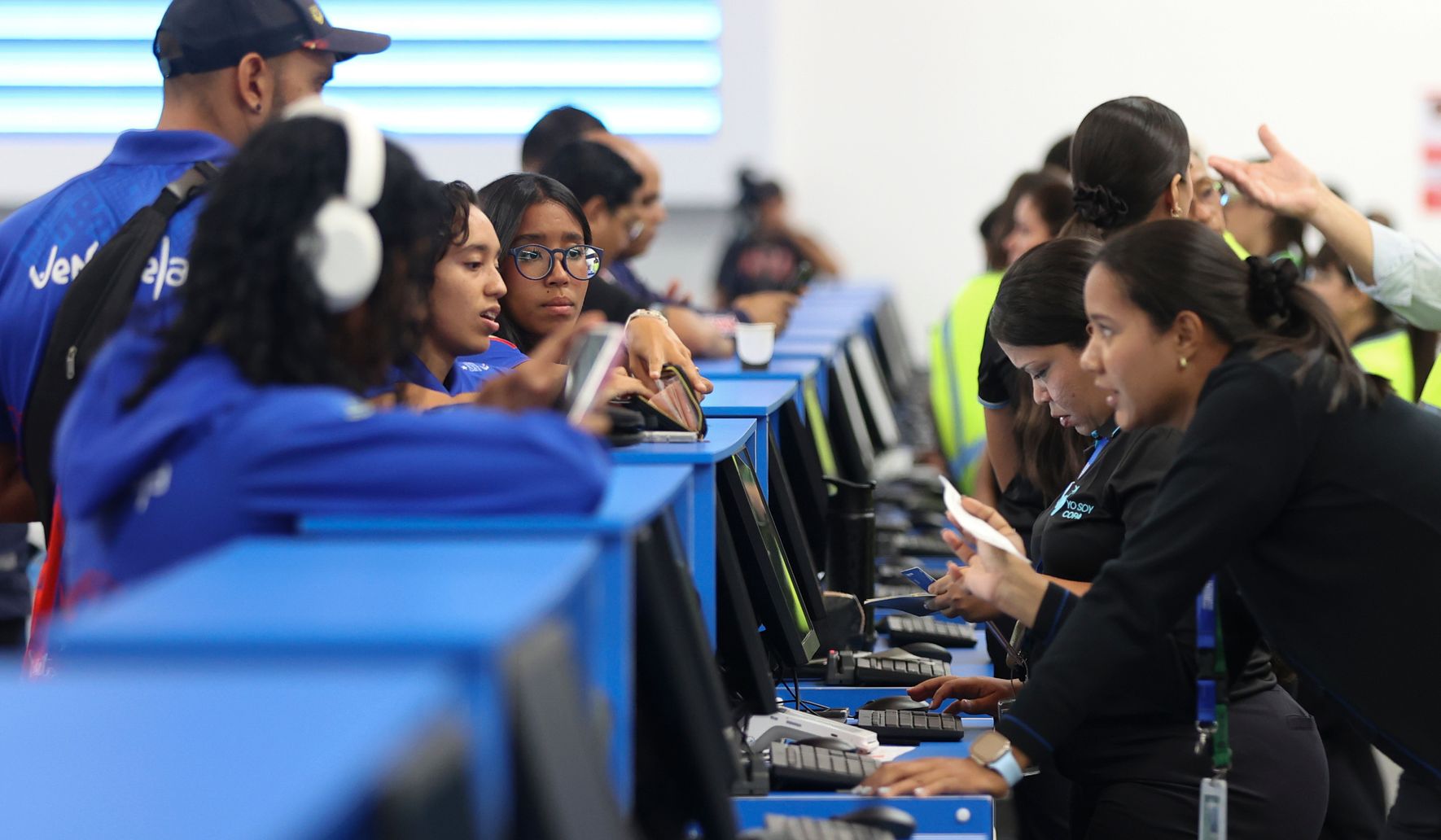
Venezuela’s main international airport has partially resumed commercial flights, a cautious step in the slow recovery from a pair of powerful earthquakes that struck the country weeks earlier.
Venezuela’s main airport partially resumed commercial operations on Tuesday, nearly 10 weeks after two devastating earthquakes struck the South American country. Airlines returned in limited numbers and authorities emphasized that service is being phased back to match safety checks and available infrastructure. The restart aims to reconnect hard-hit regions to supplies, medical support, and travelers while engineers continue inspections.
Initial flights have focused on essential routes rather than a full schedule, reflecting damaged terminals, runway checks, and reduced ground services. Officials reported priority lanes for relief shipments and medical transport, and ticketed passenger flights were restricted to vetted carriers and specific time windows. Airport staff worked alongside civil engineers to clear debris and verify navigation aids before allowing more traffic.
For communities near the epicenters, reopening the airport means more than travel — it restores a critical logistical link for food, medicine, and building materials. Local businesses that rely on tourism and cargo shipments can begin planning for a slow rebound as supply chains stabilize. Yet many roads and bridges outside the capital remain compromised, so air access is only one piece of a broader recovery effort.
Emergency responders and aid groups welcomed the partial restart but stressed that substantial needs persist in affected towns and rural areas. Health centers still face shortages of specialized equipment, and temporary shelters continue to house displaced families. Humanitarian corridors coordinated with airline schedules have helped funnel targeted relief, but large-scale reconstruction will take months and significant funding.
Operationally, airlines and regulators set strict protocols for the first weeks back: lighter flight schedules, shorter turnarounds, and heightened inspections after each arrival. Passenger processing has been simplified to reduce crowding, and airlines are advising travelers to expect delays and limited services at gates and baggage areas. International carriers are watching safety verifications closely before restoring full connections.
The economic impact of the quakes added pressure to a country already facing fiscal and infrastructure challenges, and the airport reopening is being framed as an early sign of recovery momentum. Cargo handling capacity is being ramped up gradually to support businesses that depend on imports and exports. Still, labor shortages, damaged supply routes inland, and the cost of repairs will influence how quickly commercial air traffic normalizes.
Authorities also highlighted the role of local contractors and international technical teams in assessing airfield safety, navigation systems, and terminal integrity. Seismic damage assessment protocols guided decisions about which parts of the airport could reopen and which required full rebuilding. Those teams are coordinating with municipal officials to prioritize repairs that restore essential operations first.
Travelers planning trips should expect reduced schedules and fewer destination options for the near term, with many airlines offering flexible rebooking and refund policies. Passengers are encouraged to check with carriers for the latest flight status and to arrive earlier for health and security screenings. For now, the airport’s partial reopening is a measured move toward normalcy rather than an immediate return to pre-quake service levels.
Rebuilding communities and restoring robust air service will be an incremental process, tied to continuing engineering assessments and resource availability. As work proceeds, authorities say they will expand services in phases aligned with safety milestones and infrastructure readiness. The next weeks will show how quickly commercial operations can scale while keeping passengers and crews safe.

