

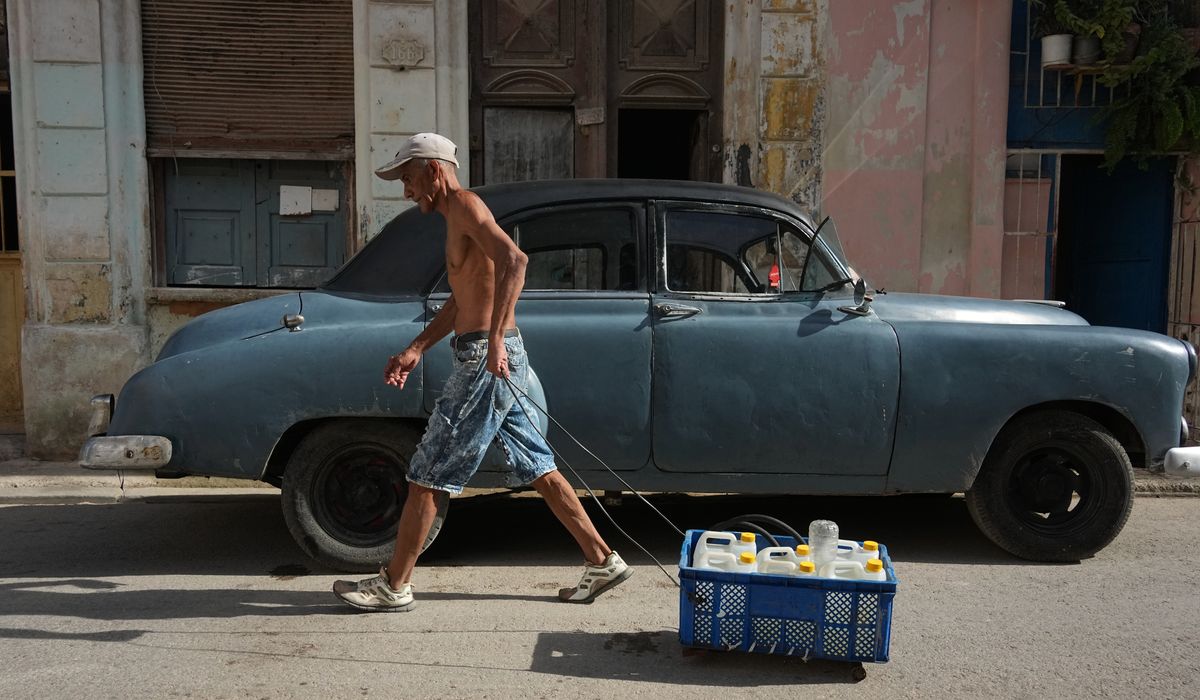
Cuba’s tourism slump reflects rising pressure from the United States, with international tour operators facing new risks and an energy embargo worsening conditions on the island.
Tourism that once buoyed Cuba’s economy is now faltering, with fewer flights and quieter hotels across Havana and beach resorts. Travel companies report pulled itineraries and clients who are rethinking plans amid uncertainty and tightened rules. The visible slowdown is hitting workers, small businesses, and the day-to-day commerce that depends on visitors.
“Cuba’s tourism has nosedived since the U.S. has ramped up its pressure on the island this year, threatening international tour operators and imposing an energy embargo.” That shift isn’t an accident; it follows a clear policy direction that raises the costs and legal exposure for firms operating there. The immediate result is fewer bookings and more cancellations, and that ripple effect lands hardest on ordinary Cubans who rely on tips and seasonal work.
The energy embargo in particular has major practical consequences, stretching power grids and disrupting services that tourists expect. Hotels and smaller guesthouses face fuel shortages and unreliable electricity, forcing altered schedules and downgraded amenities. That instability scares away planners and tour groups who favor predictable logistics for guests and staff alike.
From a Republican perspective, sustained pressure is a tool to hold an authoritarian regime accountable for human rights abuses and for exporting instability. Sanctions and restrictions are viewed as leverage intended to change behavior by hitting revenue streams the government controls. At the same time, policymakers must weigh how measures affect the Cuban people versus the regime, and that calculation matters in designing effective, targeted steps.
International tour operators now juggle legal compliance, reputational risk, and practical obstacles when deciding whether to maintain business ties with Cuba. Some face the prospect of being cut off from U.S. markets or financial services if they cross newly enforced lines. Insurance costs rise and contracts get renegotiated, making Cuba a less attractive destination for companies that depend on stable rules and predictable enforcement.
The human impact on the ground is immediate and visible: fewer jobs, diminished daily income, and strained local supply chains that once supplied hotels and restaurants. People working in tourism are not faceless statistics; they are drivers, cleaners, cooks, and artisans whose livelihoods ebb as guest numbers shrink. While the policy intent may be to pressure leadership, the consequences ripple through communities that already struggle with limited resources.
Watch for how operators adapt and whether governments refine the balance between pressure and humanitarian relief, because that combination will shape Cuba’s short-term stability. If the goal is to tighten the screws on officials while insulating civilians, targeted measures and clear exemptions for humanitarian and trade in essentials will be key. For now, the tourism downturn is a stark, tangible sign that geopolitical moves translate quickly into economic pain on a popular island once known for steady visitor traffic.

