

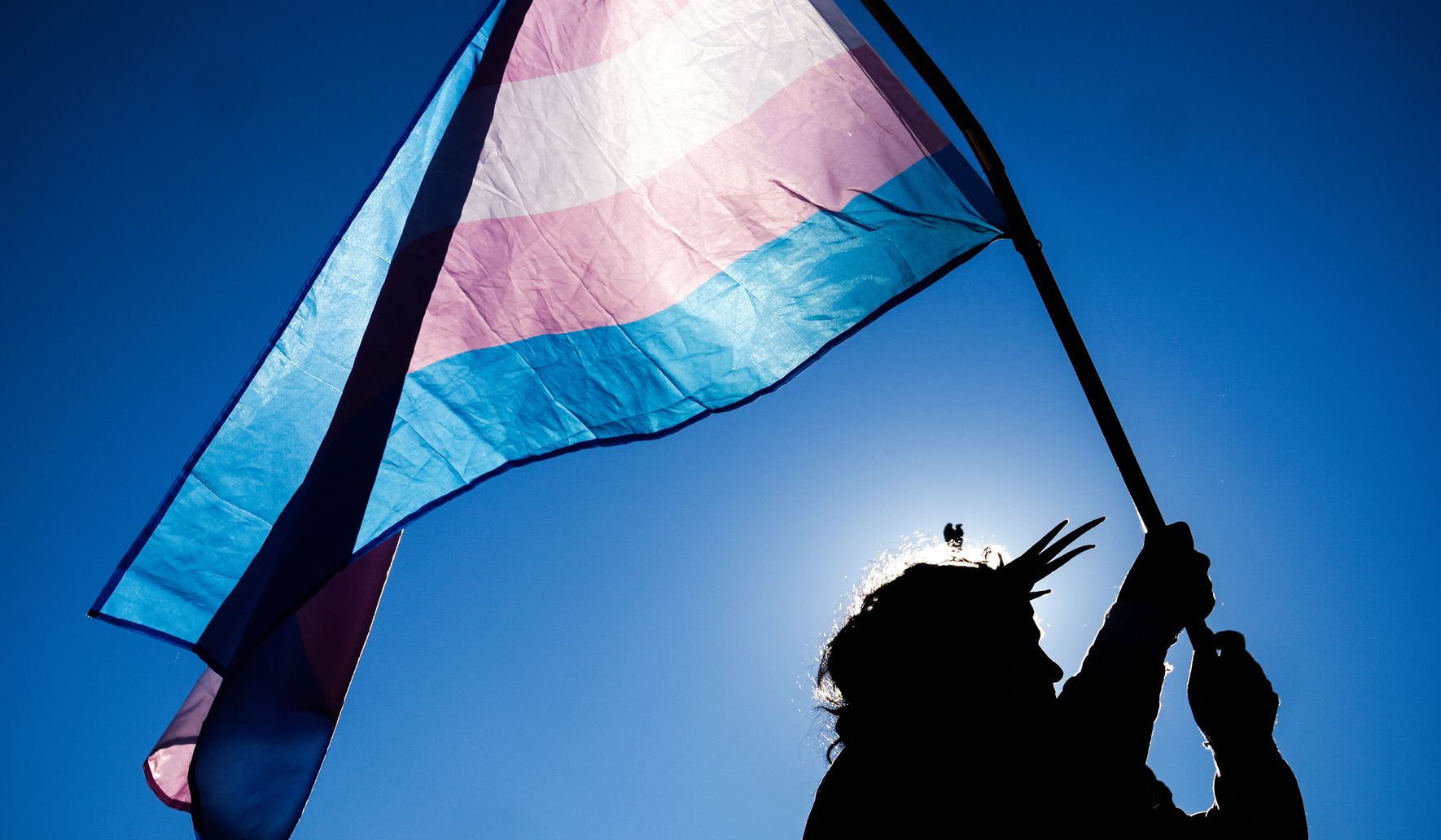
A recent federal study finds a connection between strong backing of “gender ideology” and a greater willingness to justify political violence, tying reactions to incidents such as Charlie Kirk’s killin to broader social and cultural conflicts. The report raises questions about how belief systems shape political behavior and what that means for public safety, civic institutions, and the way we talk about identity and dissent.
This federal study landed with a thud because it taps into something most Americans feel: our disagreements have moved beyond argument into moral certitude. When large swaths of the population treat ideological positions as identity badges, the risk grows that opponents are seen not just as wrong but as illegitimate targets. That shift matters because democracy depends on tolerating opponents, not just defeating them at the ballot box.
The research noted that people who most strongly support “gender ideology” are more likely to justify political violence, based on reactions to events including Charlie Kirk’s killin, and that phrasing reflects how charged cultural flashpoints can become. Whatever your view of the phrase, the underlying finding is simple and alarming: some belief systems correlate with a higher tolerance for using force or intimidation in politics. Conservatives should not ignore that dynamic, because it threatens anyone who holds a contrary position, including mainstream voices on the right.
Look, this isn’t about scoring points in the culture war; it’s about the practical consequences of rhetoric and organizing. When activists, influencers, and institutions treat policy disagreements as existential battles, they normalize extreme responses and dehumanize opponents. That environment invites fringe actors and can make otherwise stable citizens accept violence as a tool, which is a losing proposition for law and order and for conservative principles of liberty and civil society.
There are predictable institutional failures here: social media amplifies outrage, universities reward ideological purity, and some media outlets inflate conflict because controversy drives attention. Those incentives don’t care about nuance, and they push people toward the sharp edges of political behavior. Republicans should point out how these structures funnel disagreement into conflict while arguing for policies that restore common sense norms and accountability for public discourse.
Policy responses don’t require novel theology, just basics: enforce existing laws against threats and violence, protect free speech, and refuse to let ideological conformity become a condition for participation in public life. That means being clear-eyed about bad actors on all sides and holding platforms, schools, and civic groups accountable when they cross lines that endanger others. Conservatives can champion both public order and the right to disagree without fear of being labeled intolerant when they call out real dangers.
The cultural angle matters as much as the legal one. Families, religious institutions, and local communities are where people learn how to handle disagreement without turning to hostility, and conservatives should double down on those institutions. Restoring local norms of civility will take time and steady efforts, but it’s a necessary counterweight to the nationalized, zero-sum fights that studies like this expose. In short, treating the problem with quiet firmness—protect safety, defend free speech, rebuild local civic muscle—keeps the republic functioning and reduces the chances that angry rhetoric becomes violent action.
Finally, politicians and commentators ought to be careful with language and incentives: sensationalizing fringe incidents only helps those who want to push others over the edge. That doesn’t mean soft-pedaling harm, but it does mean prioritizing solutions that lower the temperature rather than increase it. The federal study gives conservatives both a warning and an opening—address the social drivers of extremism while defending the institutions that make peaceful disagreement possible.

