

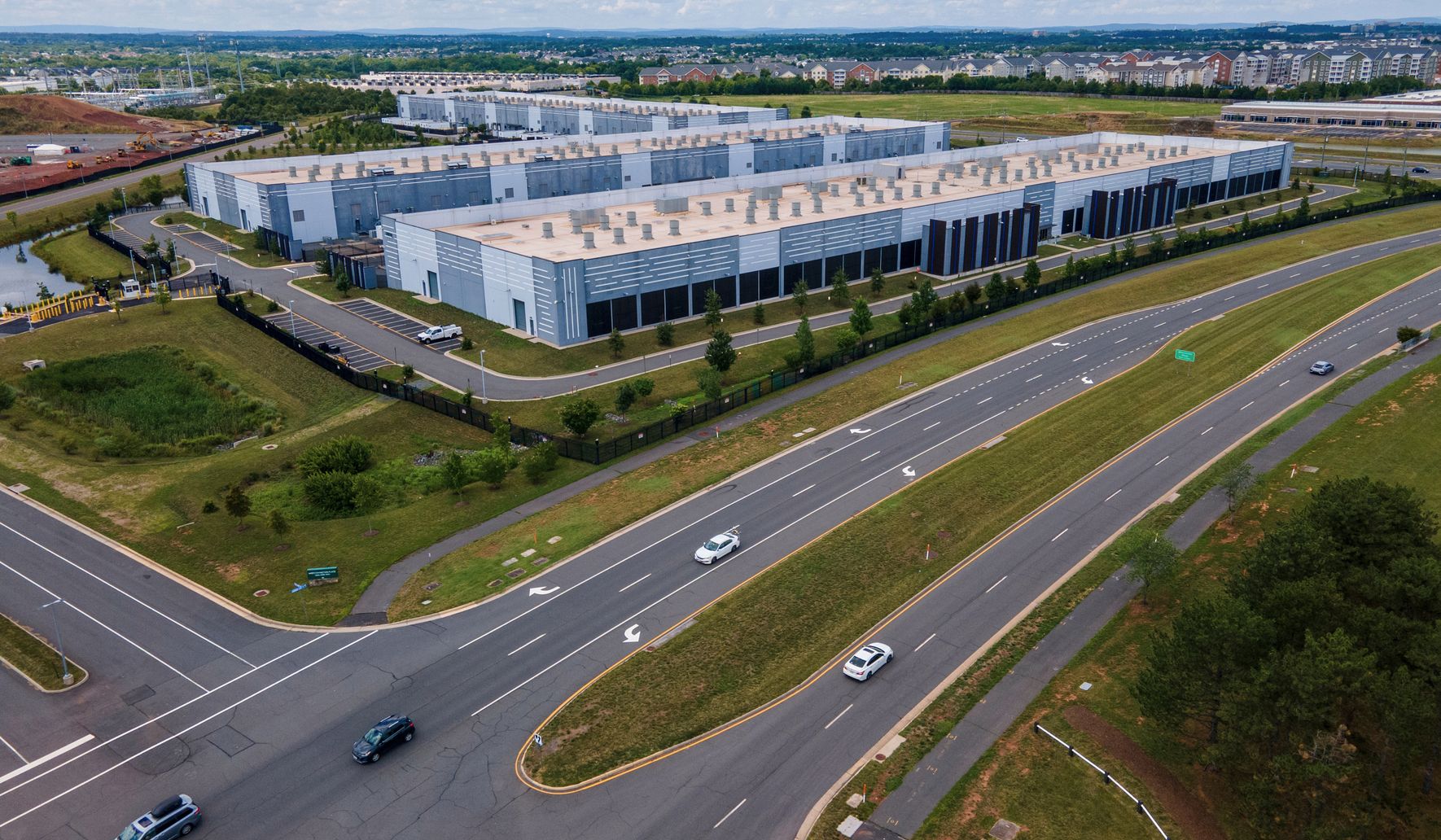
Commerce Secretary Howard Lutnick says protesters who oppose data centers are being manipulated by foreign influence and urges communities to accept the facilities for the economic and security benefits they bring.
Howard Lutnick, serving as Commerce Secretary, has been blunt about the controversy around data centers. He argues that the protests are less about local concerns and more about outside actors stirring unrest. From his perspective, embracing these facilities is the practical choice for towns and states that want growth and security.
Data centers are the backbone of modern commerce, powering everything from banking to emergency services. They create construction jobs, long-term technical positions, and steady tax revenue that community leaders can invest in schools and public safety. When national infrastructure expands, local economies often see predictable and durable gains.
Lutnick also warns that foreign influence is an active factor in the debate, using disinformation and well-funded campaigns to slow down projects that strengthen American tech capacity. That claim should concern people who care about national sovereignty and economic independence. The call here is to treat opposition with skepticism when it aligns with the strategic interests of rival states.
Concerns about noise, traffic, and environmental impact are real and deserve answers, but they are not reasons to reflexively reject progress. Modern data centers use advanced cooling, efficiency improvements, and siting strategies that reduce neighborhood disruption. Communities can insist on sensible mitigations while still allowing the project to move forward.
Electricity use is often the headline worry, and it must be addressed directly rather than used as a catchall excuse to block development. Pairing data center projects with grid upgrades, demand-management systems, and renewable energy contracts can reduce strain and improve local reliability. Responsible planning turns a perceived liability into a catalyst for upgrading the power grid that everyone uses.
Local control matters, and elected officials should set clear rules so projects meet community standards without endless delay. Fast, predictable permitting with firm conditions attracts private investment while protecting neighborhoods. That balance respects both property rights and local concerns, and it rewards communities that are pro-growth and pro-jobs.
From a national perspective, the United States is competing for data infrastructure investment against other countries that aggressively court tech deployments. If America throttles projects with partisan fights and regulatory uncertainty, the work and dollars will go overseas. Supporting data centers is a straightforward way to keep cutting-edge industry and high-paying jobs on domestic soil.
Industry leaders and public officials can work together to deliver measurable benefits: training programs for local workers, transparent monitoring of environmental performance, and enforceable community agreements. When opposition rests on misinformation or outside agendas, leaders should call that out and move toward pragmatic solutions. Lutnick’s message is simple: reject manipulation, demand accountability, and welcome the investments that build modern infrastructure.

