

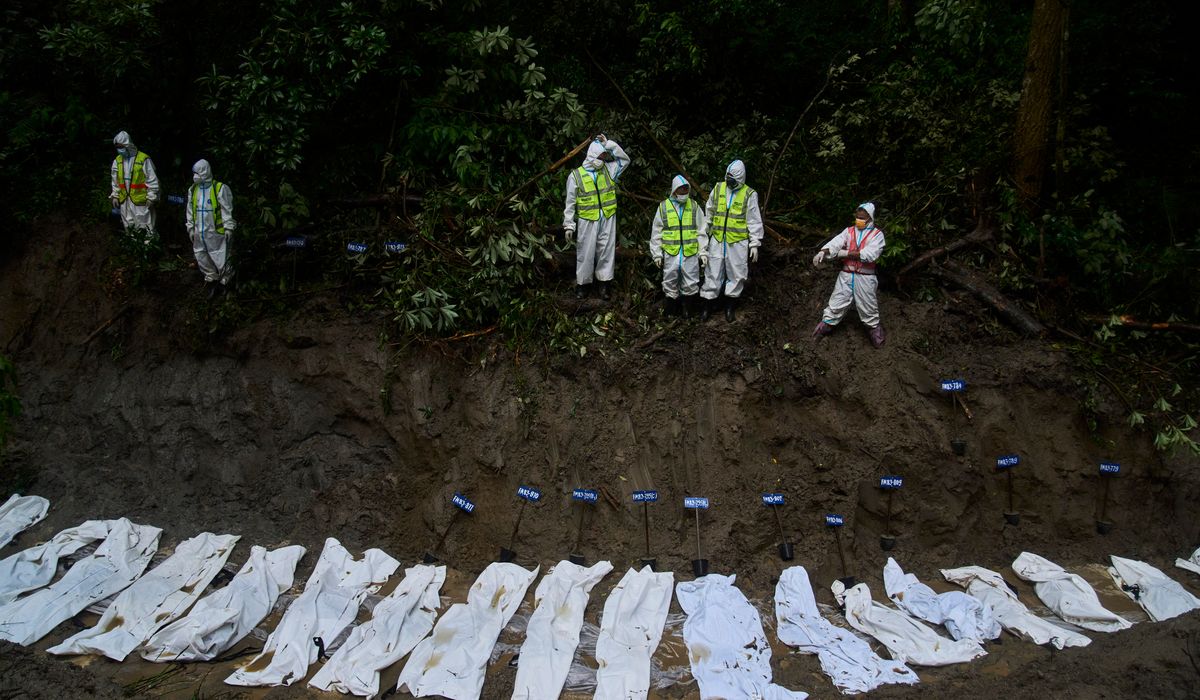
Tourists who were once listed as missing in Nepal have now contacted authorities, even as many local residents remain unaccounted for following last week’s catastrophic floods, and rescue teams continue to work amid damaged roads and swollen rivers.
Rescue crews and officials in Nepal are juggling relief work and search operations after heavy rains triggered deadly flash floods and landslides across several districts. Tourists previously reported missing have made contact with authorities, offering a measure of relief to international families and the agencies coordinating evacuations. At the same time, families of locals still unaccounted for are pressing for clearer information and faster access to the hardest-hit areas.
The floods struck with little warning in some valleys, sweeping away homes, bridges, and stretches of highway and isolating villages that rely on a single access road. Emergency teams have faced blocked routes and unstable terrain, which slows movement of ambulances, rescue dogs, and heavy equipment needed to clear debris. Local authorities have issued warnings about riverbank erosion and ongoing landslide risk where slopes have been saturated for days.
Hospitals in nearby towns reported an influx of injured people, with medical staff stretched thin but working round the clock to stabilize patients and provide trauma care. Temporary shelters have been set up at schools and community centers, offering food and basic medical attention while officials try to account for everyone. Aid workers say tracking displaced people is difficult because families sometimes move between camps or return to damaged homes to salvage belongings.
Communications have been intermittent in the worst-affected zones, which has complicated the process of confirming who is safe and who remains missing. In several cases foreign tourists reached out to embassies or local police by phone after being sheltered by hotels or guides outside the main disaster area. Officials caution that while some foreign visitors have been contacted, many Nepali families still lack information about loved ones and hope for faster search efforts in remote spots.
Authorities have prioritized restoring access to isolated communities, sending engineers to assess bridges and roads and using helicopters where ground travel is impossible. Heavy machinery is being brought in to clear mud and fallen trees, but adverse weather has continued to hamper large-scale recovery. Experts advising the response emphasize the need to stabilize slopes and shore up riverbanks before moving large numbers of people back into vulnerable areas.
Local leaders and community volunteers have played a crucial role in immediate relief, guiding rescue teams and sharing local knowledge about where people were last seen and which houses may have been swept away. That grassroots help has sped up some efforts, especially in locations where official teams could not reach quickly. Still, families want clearer timetables and more transparency about search priorities and how lists of missing people are compiled.
Donations of food, blankets, and medicines have begun arriving from regional partners and non-government organizations, but relief coordinators stress that logistics remain the biggest bottleneck. There is an urgent need for fuel and transport to get supplies to mountain hamlets and valley villages cut off by landslides. Meanwhile, public messaging focuses on staying away from swollen rivers, heeding evacuation notices, and reporting missing persons to designated local centers so lists can be cross-checked efficiently.
As the immediate rescue window narrows, planners are shifting toward recovery tasks like restoring power, repairing infrastructure, and mapping long-term relocation needs for households in the highest-risk zones. Engineers will need to assess whether rebuilding in certain river-adjacent sites is safe or whether new settlement plans are required. For now, authorities say they will continue search operations where feasible while expanding relief to those who lost homes, livestock, and livelihoods to last week’s catastrophic floods.

