

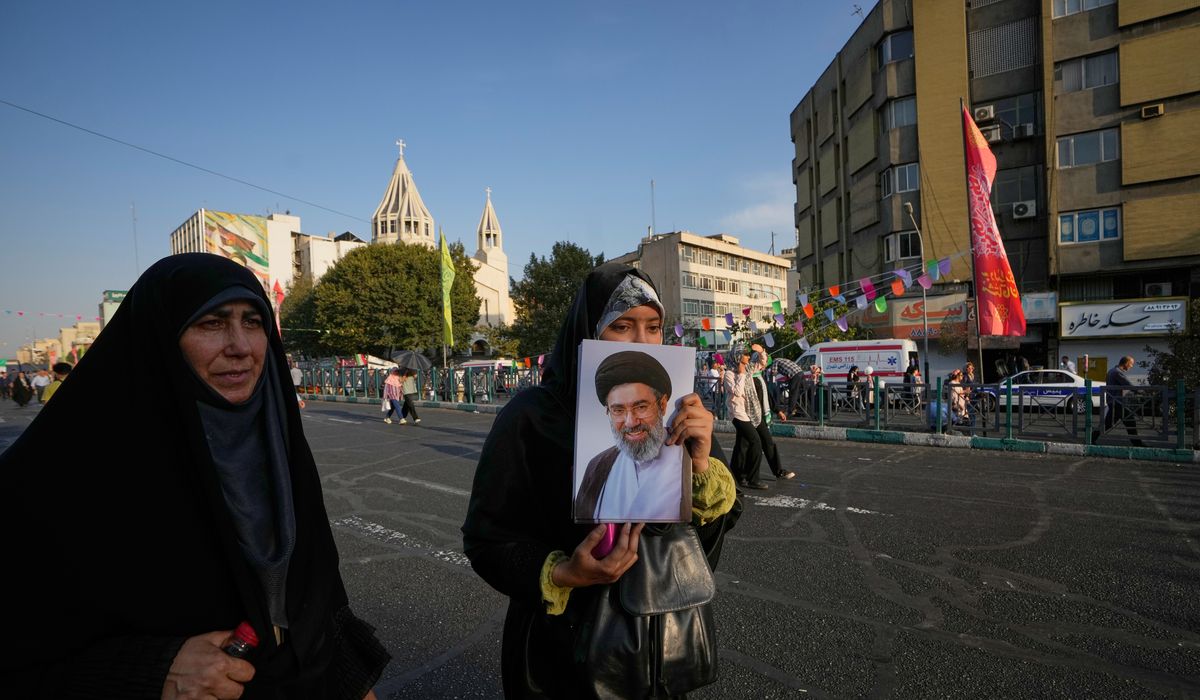
America faced a sharp escalation after Iran struck U.S. positions across the region, a move that widened the week’s clashes and forced quick questions about deterrence, readiness, and strategic response.
The scene unfolded overnight as U.S. forces and facilities in the Middle East came under a broad set of retaliatory strikes. “Iran launched retaliatory strikes overnight on U.S. assets in the Middle East in the most expansive round of attacks since fighting resumed this week.” That line matters because it signals both scale and intent in one sentence.
From a Republican perspective, the immediate response must be clear: protect American lives and preserve deterrence. The credibility of U.S. power depends on swift, proportionate actions that deny Iran the ability to escalate freely. Hesitation invites more attacks and emboldens proxies, so policymakers must show resolve.
These strikes illustrate a pattern we’ve seen before—regional actors testing limits when they sense ambiguity. The United States cannot treat probing attacks as isolated incidents; they are part of a sustained campaign to reshape influence in the Middle East. A robust posture that combines intelligence, precision strikes when necessary, and support for partners will be required to blunt that campaign.
Politically, this moment should trigger unity around clear objectives instead of partisan finger-pointing. Congress has a duty to provide oversight and ensure the mission is properly resourced, and the administration must brief lawmakers without delay. Americans deserve transparency about risks, the rules of engagement, and the safeguards in place for service members and civilians.
Diplomacy still has a role, but it operates differently when Tehran is actively striking American positions. Talks that proceed without concrete pressure on Iran will be read as weakness. Sanctions, enforcement, and coordinated international pressure must complement any diplomatic track so Tehran sees costs alongside any incentives.
On the operational side, the Department of Defense and regional commanders should reassess force posture, logistics, and missile defense coverage. Hardening bases, improving early warning, and increasing ISR around critical choke points are practical steps. Those adjustments buy time and reduce the chance of catastrophic losses while political leaders define strategy.
Allies and partners in the region matter more than ever, and coalition cohesion will shape outcomes. The U.S. should work closely with Gulf partners, Israel, and regional security frameworks to share intelligence and response options. A collective stance multiplies deterrence and narrows Tehran’s choices.
Finally, the American public must understand that deterrence is an active posture, not a passive state. The goal is to make aggression costly, predictable, and ultimately unattractive to adversaries. Leadership that blends toughness with clear objectives will protect national interests and keep the region from sliding into wider war.

