

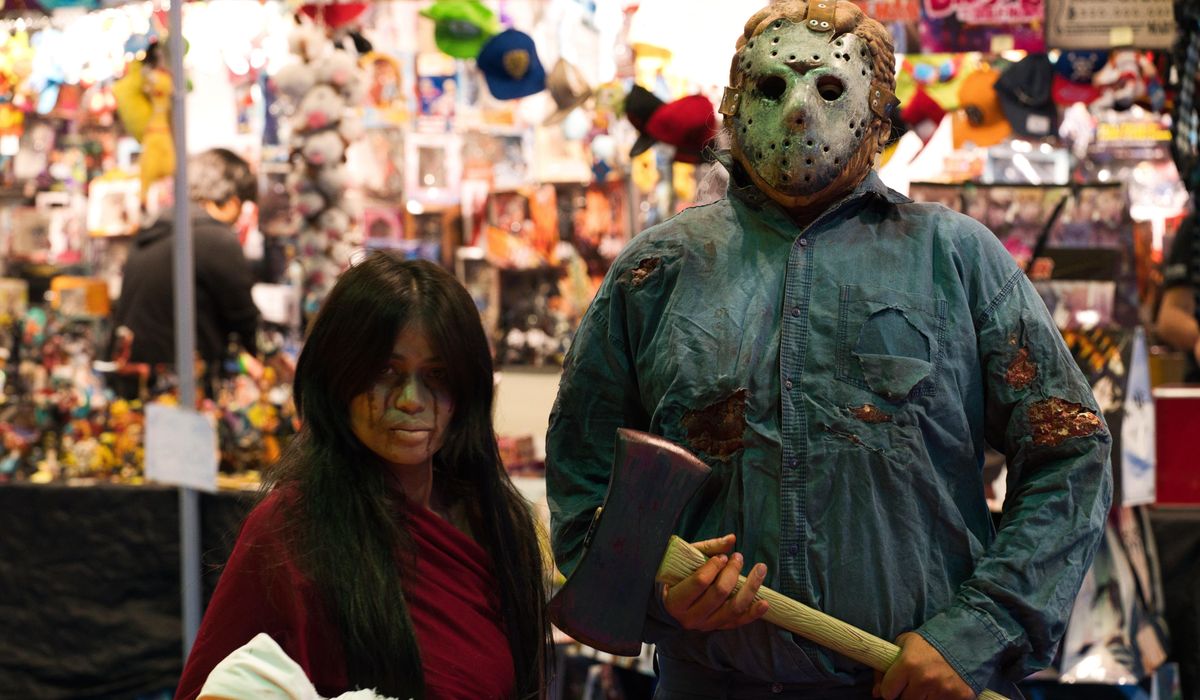
Victor Miller, the screenwriter credited with the horror classic “Friday the 13th,” has died in Alameda, California at age 86, leaving behind a legacy tied to one of the most recognizable franchises in modern horror filmmaking.
Victor Miller’s name will always be linked to the original “Friday the 13th” screenplay, a piece of work that helped define a generation of slasher films. He wrote the script that launched not just a movie but a cultural phenomenon, one that created unforgettable images and a dedicated fanbase.
He died Monday in Alameda, California, at the age of 86, according to local reports. That simple line marks the close of a long career and the end of a direct tie to a film that reshaped horror storytelling in the late 20th century.
The original “Friday the 13th” film arrived at a moment when audiences were hungry for raw, lean scares and inventive kills, and Miller’s screenplay delivered a chilling setup that proved wildly effective on a modest budget. The movie’s success was built on atmosphere, timing, and a willingness to push boundaries, and much of that came from the story Miller put on the page.
Beyond box office numbers and franchise spinoffs, Miller’s script established character beats and a tone that future horror films would borrow and adapt. The movie’s influence isn’t limited to sequels; it helped normalize a style of filmmaking where tension and economy of storytelling could generate massive cultural impact.
For many viewers, the film’s legacy is tied to the visceral fear it produced and the iconography that followed, and Miller’s role in shaping that original vision is a key part of why the movie still gets talked about decades later. Screenwriters rarely receive the same public recognition as actors or directors, yet his words set the foundation for a lasting mythos.
News of his passing has prompted reactions from fans and creators who grew up with the film, underlining how a single screenplay can ripple outward across popular culture. People remember the scares, the summer ticket lines, and how the story lodged itself in the collective imagination as both entertainment and a rite of passage for horror fans.
Even as the horror genre has evolved, with new rules and subgenres emerging, elements of Miller’s script can still be traced in contemporary films and series. The original “Friday the 13th” helped codify pacing and surprise in horror, lessons that writers and directors study when trying to sharpen their own work.
Victor Miller’s death is a moment to note the human side of genre filmmaking: the craft of screenwriting, the collaboration behind a successful film, and the way a single script can influence careers and entertain millions. While memorials and retrospectives will take shape elsewhere, the immediate fact remains—he passed away in Alameda at 86, and the screenplay he penned will continue to be part of film history.

