

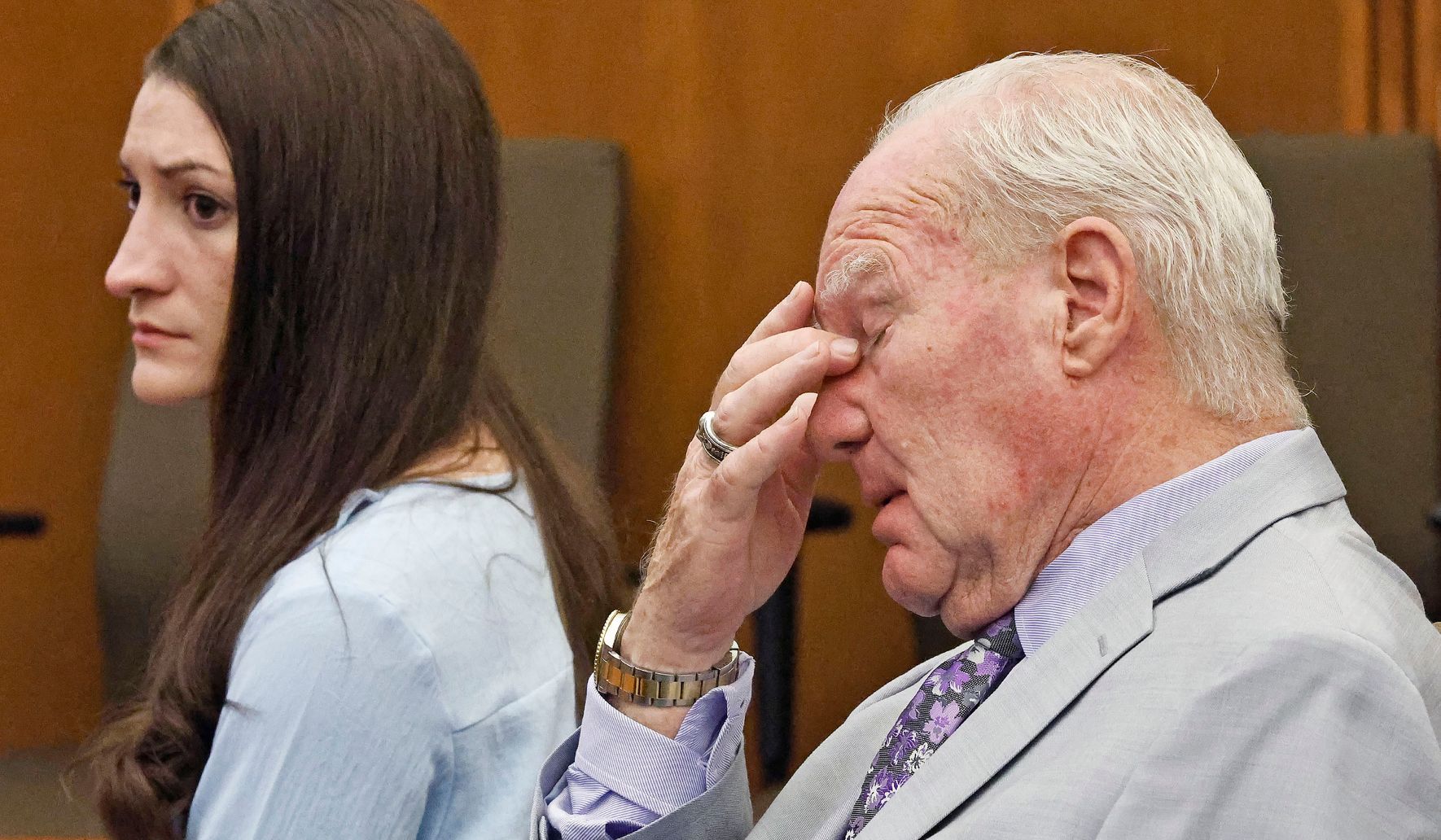
Jurors again reported they could not reach a verdict in the case over whether Lindsay Clancy is criminally responsible for the deaths of her three children, and the judge acted on the deadlock Wednesday.
The trial centers on whether the defendant can be held criminally responsible for the deaths of her three children, a question that turns on both the facts presented and legal standards for responsibility. Jurors told the court for a second time that they were unable to agree on a verdict, a development that forces the judge and attorneys to consider next steps. The situation highlights how complex evidence and competing interpretations can leave a jury split even after intensive deliberation.
The judge’s response on Wednesday focused on procedural options available when juries are deadlocked, including extended instructions, additional deliberation time, or declaring a mistrial. Any move will hinge on whether the court believes further deliberations might produce a unanimous decision without unfairly pressuring jurors. Judges balance the need for a conclusive outcome with protecting jurors from coercion, and that balance tends to shape what happens next in cases that stall.
For the prosecution, a deadlock is both a setback and a signal to reassess how the evidence landed with jurors. Prosecutors must decide whether a retrial is worth pursuing given the resources required and whether new or clarified evidence could change the outcome. Defense attorneys meanwhile may view the deadlock as validation that the jury found reasonable doubts, and they will be alert for any tactical advantages if the case returns to court.
Mental health evidence and expert testimony often play a pivotal role in cases where criminal responsibility is disputed, and jurors can struggle with technical testimony while wrestling with the moral and factual weight of the charges. Experts may disagree about how mental health conditions affect behavior and culpability, and jurors must weigh those conflicts alongside physical evidence and witness accounts. That mix of scientific complexity and emotional testimony contributes to the possibility of a hung jury.
The legal standard in criminal cases requires proof beyond a reasonable doubt, a high bar that sometimes leads jurors to split when reasonable, conflicting interpretations of the same facts exist. Juries must not guess, and if some jurors remain unconvinced of any element of the charged offense, the result can be a stalemate. Courts recognize this reality, which is why mistrials and retrials are established parts of the criminal justice process.
Community reaction to high-profile cases can be intense, but judges aim to insulate jurors and the process from external pressures to preserve fairness. Public attention can complicate logistics and influence courtroom atmosphere, yet the legal framework demands decisions be based on evidence admitted at trial. That separation is meant to protect both the integrity of the verdict and the rights of everyone involved.
If the judge declares a mistrial, prosecutors will evaluate whether to pursue a new trial, negotiate different charges, or potentially drop the case, depending on what they think can be proved beyond a reasonable doubt next time. A retrial would start the evidentiary presentation anew for a different jury, which could reach a different conclusion but also requires time and expense. Defense counsel will press for acquittal if further proceedings seem unlikely to fairly resolve the disputed issues.
Jurors themselves often report emotional strain after serving on difficult criminal cases, and judges sometimes allow time for reflection or new instructions to help jurors reframe how to apply the law to contested facts. Courts may offer clarifying guidance on legal definitions or remind jurors about the standard they must apply. Even with clearer instructions, however, deeply divided panels can remain unable to bridge their differences.
Whatever path the court chooses now, the process will move through established legal channels aimed at reaching a defensible outcome while respecting jurors’ roles and legal protections. The deadlock underscores that some trials produce unresolved questions that the system must address methodically rather than rush. The coming days and decisions by the judge and attorneys will determine whether this chapter concludes with a verdict, a retrial, or another procedural resolution.

