

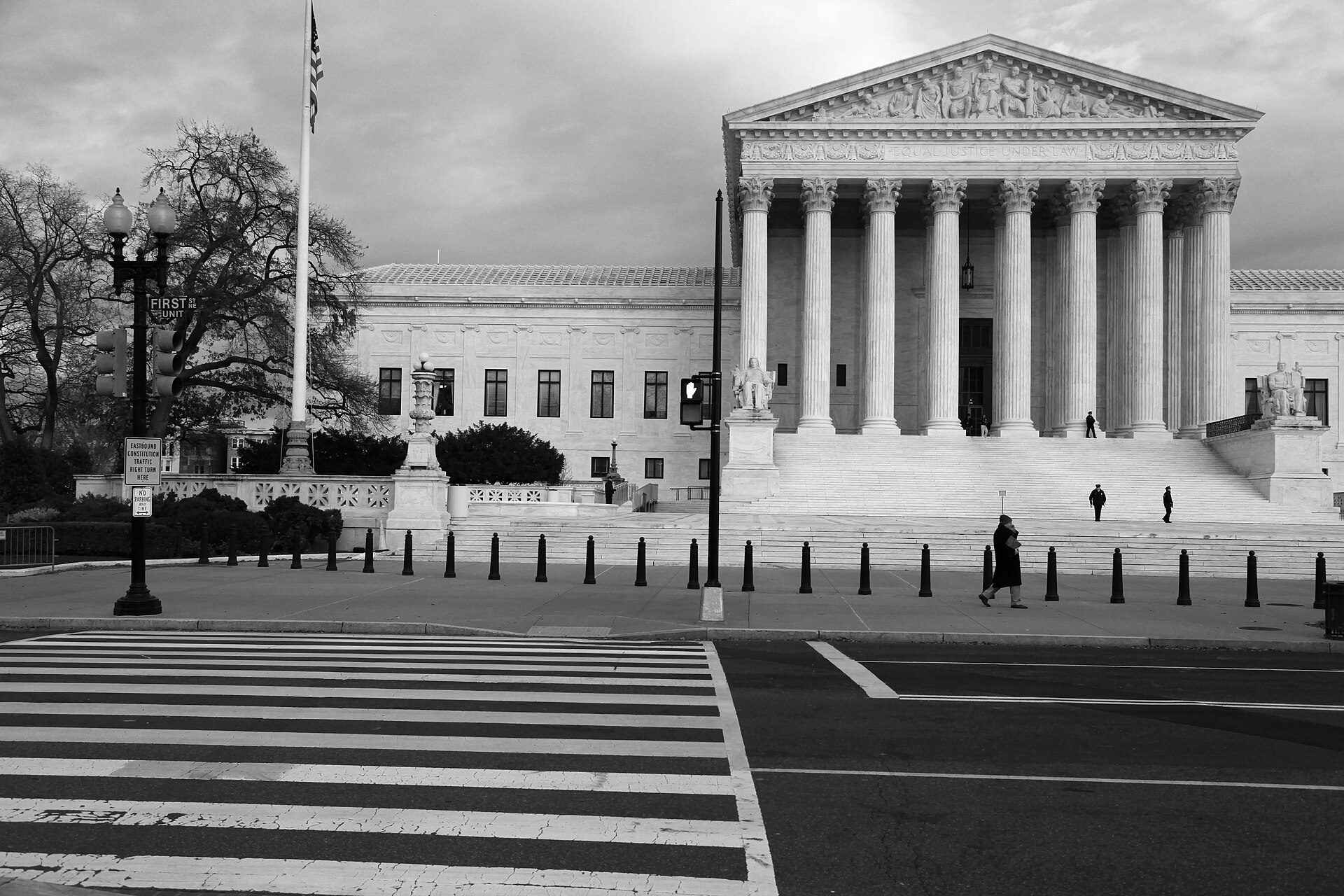
House Democrats blocked HJR 1 in a 212-206 vote, with 15 not voting, defeating the two-thirds majority needed for the constitutional “Keep Nine Amendment” that would have locked the Supreme Court at nine justices.
Nearly every House Democrat voted to kill a constitutional amendment proposal on Wednesday that would have kept the Supreme Court at nine justices. In a 212-206 vote, with 15 members not voting, the House failed to garner the two-thirds majority needed to pass HJR 1. Known as the “Keep Nine Amendment,” the measure aimed to enshrine the Court’s current size in the Constitution to prevent future expansions.
The mechanics matter: a constitutional amendment requires two-thirds in both chambers and ratification by three-quarters of states. That makes the path steep even when there is clear support in one chamber, and the House result underlines how far the measure fell short. Republicans cast the vote as a clear defense of judicial stability and a warning against politicizing the bench.
From a Republican perspective, the vote exposes a stark contrast in priorities. Supporters argued that preserving nine justices is a commonsense check on Democrats who have floated court expansion when outcomes don’t go their way. The messaging was direct: keep the Court insulated from short-term partisan whims so the rule of law isn’t distorted by shifting majorities.
Democrats who opposed the amendment offered a range of explanations, but many signaled they do not want to lock the Court’s size into the Constitution. The Republican view is that opposition is less about process and more about preserving future levers to reshape the judiciary if political winds shift. That approach, critics say, threatens the impartiality and continuity the nation expects from its highest court.
Constitutional amendments are supposed to be used for enduring choices, not temporary political fixes, and Republicans argue this fits that description. Fixing the Court at nine is framed as restoring a baseline that has worked for decades, rather than inviting future expansions whenever one party gains control. The counterargument is that the amendment would limit democratic options, but the GOP stance emphasizes protecting institutional norms over short-term gains.
Practical reality also played a role: even if the amendment had passed the House, getting the necessary two-thirds in the Senate and then three-quarters of state legislatures is a herculean task. Republicans note that the failure in the House probably preserves time-tested confirmation and appointment strategies instead of turning to an amendment route with uncertain odds. The political payoffs of this congressional battle are likely to be felt on the campaign trail.
Expect Republicans to use the vote for messaging leverage in upcoming races, highlighting contrasts on judicial philosophy and institutional respect. The party will push narratives about protecting the judiciary from partisan packings and preserving precedent where possible. Voters will hear this framed as a defense of legal stability and a check against ad hoc changes to core institutions.
The immediate legal landscape remains unchanged: the Supreme Court still sits at nine justices, and any future change would require a major, multi-step constitutional effort. Republicans will continue to press the argument that the Court should be shielded from political manipulation, while Democrats may keep the option of structural changes alive as a bargaining chip. The House vote makes clear this debate is far from over and will be a recurring theme in national politics.

