

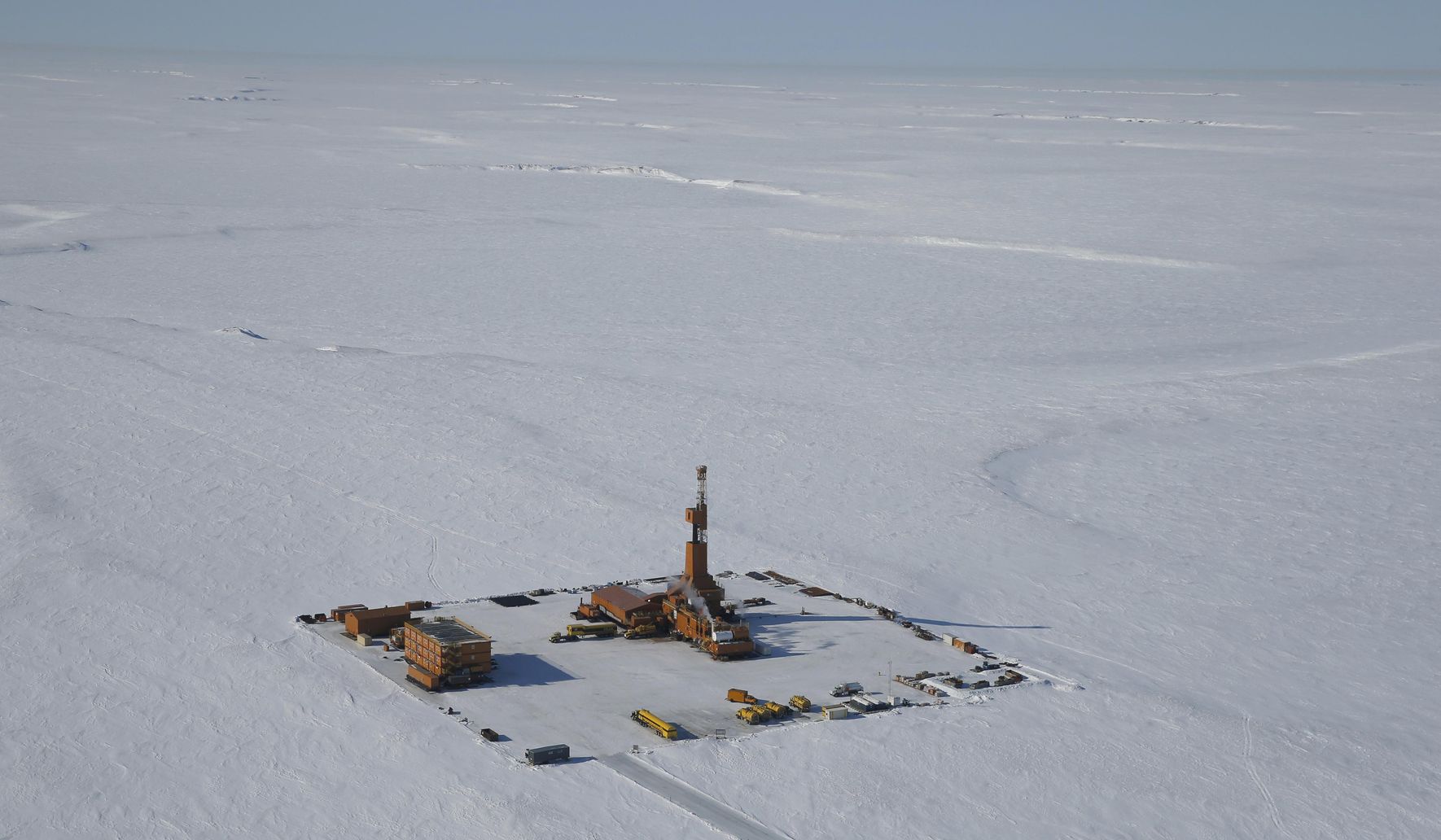
The Trump administration is moving to shorten approval timelines for oil and gas drilling in Alaska’s National Petroleum Reserve after nine companies bought tracts there this year and want to proceed, arguing that faster permits will support energy security, create jobs, and reduce unnecessary bureaucracy.
The National Petroleum Reserve in Alaska is a vast federal tract that has become more attractive to industry after recent lease sales. Nine companies bought tracts this year and now want to advance exploration and production. Federal permitting processes, which can take years, are the immediate bottleneck these firms and policymakers are addressing.
Administration officials say accelerating approvals will unblock projects that are already funded and staffed, and that the private sector is ready to move. From a Republican perspective, the argument is straightforward: America needs more reliable domestic energy supplies and quicker approvals cut costs and delays. Supporters note that producing more oil and gas here reduces dependence on foreign suppliers and strengthens the economy.
Permitting delays come from multiple layers of review, overlapping agencies, and procedural requirements that often duplicate scrutiny. Critics of the current system say those layers produce predictable uncertainty for companies, driving up budgets and slowing investment. The proposed changes emphasize clearer timelines and fewer procedural hurdles without promising to eliminate federal oversight entirely.
Proponents also frame the changes as a jobs and infrastructure win for Alaska, where extraction activity supports local employment, supply chains, and service industries. The leases purchased by the nine companies could translate into drilling rigs, seasonal workforces, and long-term maintenance roles across remote communities. For many Alaskans and industry workers, faster approvals mean opportunities sooner rather than later.
Environmental review remains part of the plan, but the administration argues it can be more efficient while still meeting legal standards. Republicans advocating for reform say environmental protections do not require bureaucratic gridlock. They propose targeted adjustments to process and scheduling so that environmental assessments are completed in a predictable time frame and do not become open-ended.
The National Petroleum Reserve has unique logistical challenges because of its Arctic location, extreme weather, and sensitive ecosystems. Companies planning activity there must coordinate on transportation, seasonal windows for work, and measures to protect wildlife and permafrost. Faster permitting, supporters insist, should also mean better, clearer conditions attached to approvals rather than vague requirements that slow projects later.
Opponents will likely warn about hurried reviews and potential impacts to fragile tundra and marine habitats, and those concerns are part of the public debate. The administration’s response emphasizes adaptive management: set firm deadlines for decisions while requiring enforceable mitigation measures. That approach aims to give communities and regulators certainty about what will be done to protect the environment, while giving companies certainty about when they can begin operations.
On the national scale, boosting domestic production is pitched as strengthening energy independence and geopolitical leverage. Republican policymakers connect quicker approvals to broader goals like market stability and protecting American consumers from volatile foreign supply shocks. The nine leases in Alaska are seen as immediate examples where quicker action could yield measurable supply and economic benefits.
Whether the changes will satisfy all stakeholders is uncertain, but the move reflects a broader push to reform how energy projects are reviewed and permitted. For industry and many conservatives, streamlined processes that still include enforceable protections are a practical balance. The immediate focus remains getting these nine leaseholders the timely decisions they say they need to proceed.

