

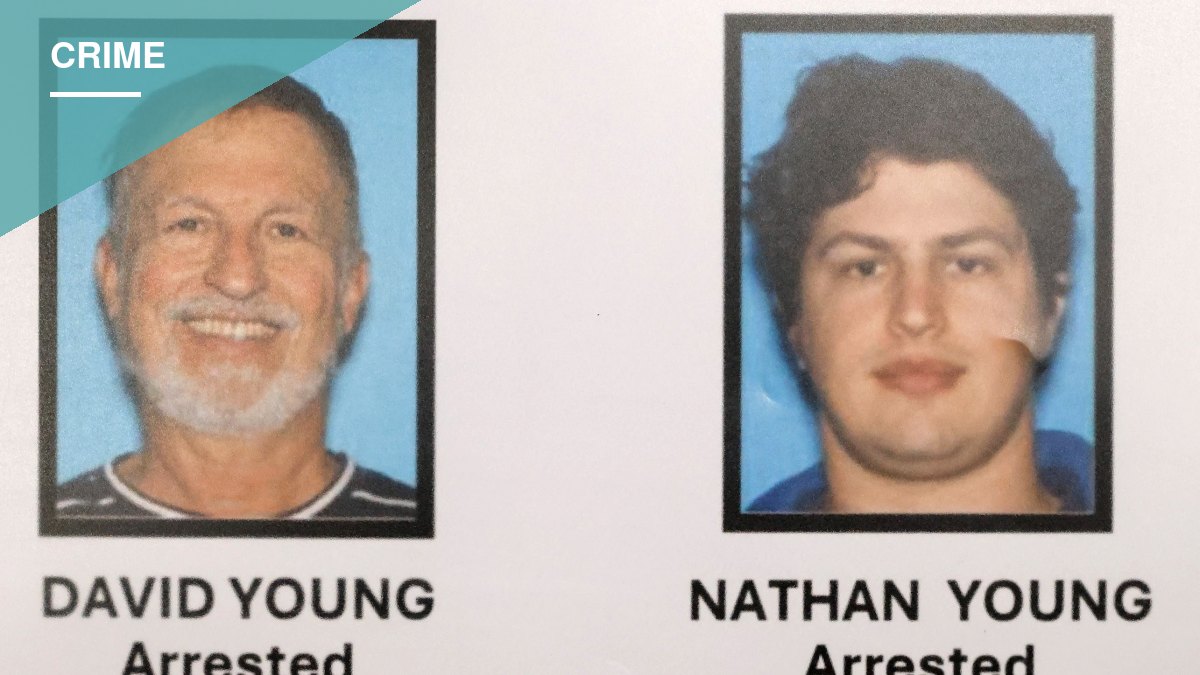
Federal prosecutors in Los Angeles have charged David Young, 71, and his son Nathan Young, 39, with running a $1.6 billion insurance fraud scheme that allegedly recruited at least 6,000 homeless addicts — many brought in from out of state — to churn through a network of California rehabilitation centers.
A Los Angeles homeless outreach worker says the practice described in the indictment, known as “body brokering,” is widespread on Skid Row and has been for years.
“Los Angeles is definitely a hot spot for this sort of thing,” said Lang Martinez, who was homeless on Skid Row before getting sober in 2018 and now works as an outreach advocate. “First, they’ll find someone caught up in addiction. Then, they’ll give you a little bit of money.”
According to Martinez, brokers obtain a victim’s ID, arrange insurance coverage, and backdate the policy so the person can be admitted to a rehab facility roughly a week later — all paid for by the insurer.
“They have insiders with the insurance companies, your top insurance companies. They’ll grease their palms, and then what they’ll do is they’ll backdate homeboy’s insurance.”
Once recruits agree, Martinez said, the pitch is simple: “Got you a spot, man. I’m gonna put you on a plane, and I’m gonna fly you out to this place.” He added that the tactic isn’t confined to California. “It happens all over the country. Get you in the car. Put you on a plane.”
Treatment That Wasn’t
Court papers allege that patients at the Youngs’ facilities often received little or no actual treatment — including Zoom meetings with hundreds of attendees and outings to the movies billed as group therapy.
Martinez said the exploitation can go further still, with brokers pulling sober patients out of treatment, supplying them with cash and drugs to trigger a relapse, then re-admitting them elsewhere to collect another placement fee.
“A lot of these people die. They relapse you again, and then I put you in another program. That’s how the brokering works.”
Martinez believes hundreds of the homeless addicts still living on Skid Row ended up there through schemes like this one. “When you turn human suffering into a business, you’ve lost your humanity,” he said. “What is happening to our unhoused and our most vulnerable individuals through body brokering is not recovery — it’s exploitation.”
The Charges
The Justice Department says the Youngs worked with body brokers across the country, including a Greenville, Texas couple, Honey and Cody Phipps, who were also arrested this week as part of a broader healthcare fraud sweep announced in Los Angeles on Thursday.
Prosecutors say the defendants pocketed more than $210 million over six years in what Assistant Attorney General Colin M. McDonald called “the largest sober home fraud scheme the Department has ever prosecuted.”
Court documents describe a system in which the Youngs directed brokers to travel the country locating homeless addicts, secure insurance for them, and enroll them in rehab facilities operated in Los Angeles, San Diego, the Bay Area and elsewhere. Credit card records cited by prosecutors show victims were flown in from Las Vegas, Cleveland, and Birmingham, Alabama.
Recruits were allegedly offered cash, drugs, free flights, and stays at luxury apartments and houses in Los Angeles as inducements to enroll. Some were coached to exaggerate their symptoms during intake or to use drugs beforehand so they would fail a urine test and qualify for treatment, according to court papers.
Once inside, patients were allegedly cycled through different levels of care to maximize billing, and in some cases were drugged, cut off from family contact, denied access to their own belongings, and physically prevented from leaving, prosecutors charge.
First Assistant U.S. Attorney Bill Essayli said the scheme compounded an already dire situation in California. “These body brokers brought vulnerable people here with false promises of treatment, worsening California’s drug-addicted homelessness crisis,” he said. “We will hold accountable those who turn addiction and human suffering into a business.”

