

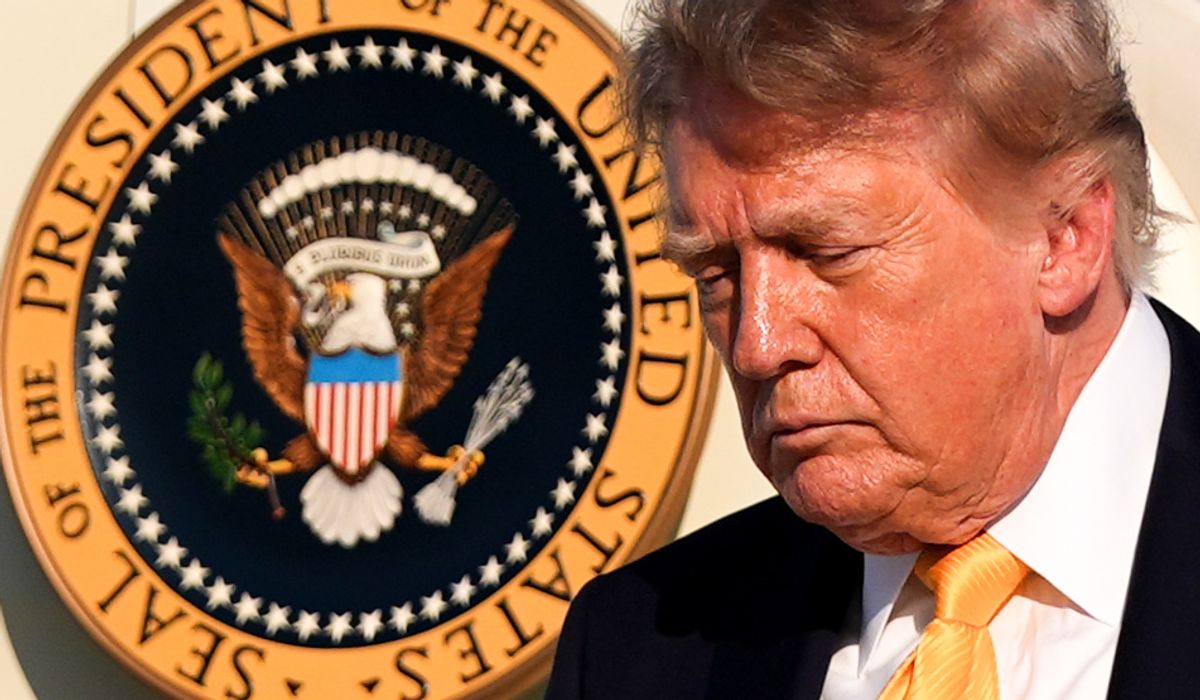
President Trump walks a familiar political tightrope: bold promises and spotlight-ready presentation collide with close public scrutiny of every image and detail.
For supporters, the message of economic strength and national pride is what matters more than a hairstyle. Critics and late-night commentary, though, tend to zero in on the optics, making small changes into talking points that turn headlines faster than policy debates.
“President Trump may be touting America’s Golden Era, but his hair has gone brown.” That line has been repeated in countless takes, less as insight than as a shorthand for the media’s appetite for personality gossip. Whatever you think of the man, pointing at his appearance has become a ritual that often outshines the arguments about trade, regulation, or the economy.
From a Republican perspective, that fixation is a distraction. Voters care about jobs, security, and the court system, and they measure leaders by results more than by visuals. When policies deliver, style notes fade in importance—political theater is inevitable, but it rarely changes concrete outcomes.
The press cycle feeds on novelty, and small changes get magnified because they are easy to discuss. A darker shade of hair or a wardrobe tweak fits neatly into a 24-hour news loop and gives cable a headline without testing a single policy. That dynamic benefits neither the electorate nor informed debate.
Political branding has always leaned on image; it is part marketing, part myth making. Presidents and candidates tweak their look to match a message, and aides are skilled at smoothing the edges. The difference now is speed: social platforms turn a minute of footage into a viral narrative before facts about legislation can travel.
Still, the core coalition that backed Trump in the first place tends to shrug off cosmetic chatter. They focus on immigration rules enforced, judges confirmed, and a foreign policy stance that prioritizes American interests. For these voters, personal details are noise against a backdrop of perceived successful governance.
Calling out the media for obsessing over a hair color change isn’t an excuse to avoid scrutiny; accountability matters and reporters should press on policy. But when coverage shifts toward the superficial, it narrows public attention away from debates on taxes, trade, and energy independence. If coverage returned to the substance, voters could weigh real choices instead of being nudged by whatever viral image came up today.

