

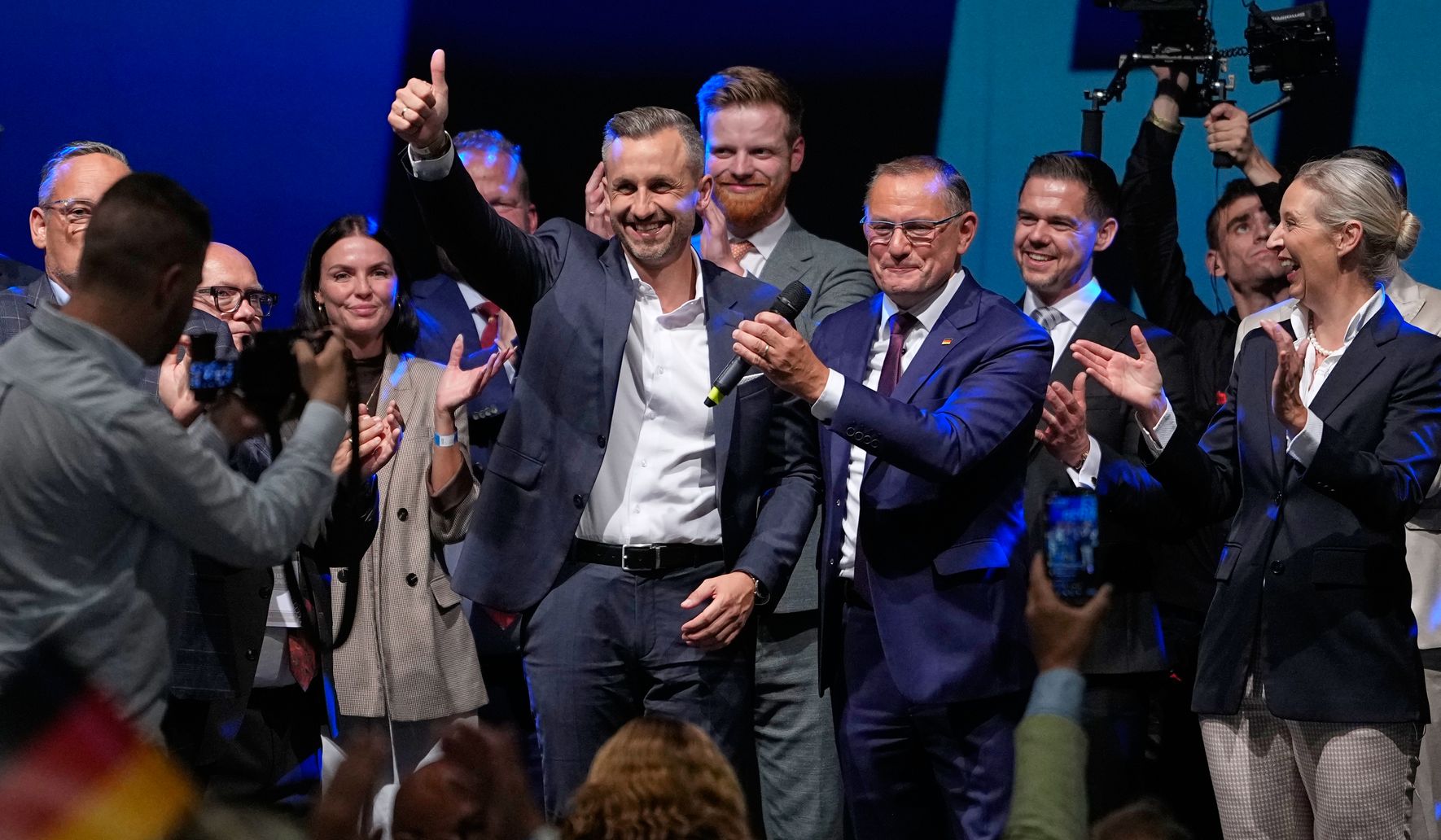
The far-right Alternative for Germany party surged to a resounding victory in a regional election Sunday, but fell a little short of winning a majority in its quest to form what would be the country’s first far-right government.
The Alternative for Germany’s strong showing exposed deep frustration with Berlin’s mainstream parties and their handling of everyday issues like security, immigration, and economic worry. Voters sent a clear message that the status quo is no longer acceptable to a significant portion of the electorate. That upset matters because it forces established parties to confront their failures or risk losing more ground.
From a Republican viewpoint, this result is a reminder that political movements rise when people feel unheard and unprotected. The AfD tapped into real grievances, and ignoring those concerns only fuels radical alternatives. Conservatives should pay attention: fixing policy failures and offering practical solutions beats moralizing from above.
Even without an outright majority, the AfD’s performance will shape the next legislative term and pressure coalition talks. Governing in Germany always depends on alliances, and falling short means the party must either find partners or accept a more limited role. That uncertainty creates leverage for both the AfD and the parties trying to block it.
Mainstream parties now face a choice: double down on the same messaging that lost them votes or pivot toward concrete answers that speak to voters’ daily lives. The lesson is straightforward—policy that concentrates on security, jobs, and sensible immigration reform can reclaim ground. Weak or vague responses will only deepen public disillusionment.
The outcome also highlights the volatility in European politics, where center-right voters sometimes drift toward populists when traditional parties fail. Republicans watching this should note how quickly public sentiment can shift when elites are perceived as out of touch. That dynamic argues for clear, bold platforms that address core concerns without drifting into extremism.
At the same time, responsible conservatives must separate legitimate policy debates from dangerous rhetoric. The AfD contains a range of voices, and not every voter who backed them supports radical positions. There is room for mainstream conservative policy to meet voters’ concerns while rejecting calls for unlawful or divisive actions.
International observers will be watching how coalition negotiations play out and what compromises could result. If mainstream parties form a coalition to keep the AfD out, they will need to show real change, not just defensive posturing. If the AfD gains influence through partners or concessions, the political map in that region will look very different for years.
Media coverage of the result will shape public perceptions, but the underlying story is about governance and competence. Voters rewarded a party that promised to shake things up, even if they stopped short of giving it full control. That tentative verdict should push all parties to sharpen policy and reconnect with everyday voters.
Ultimately, the election underscores a simple point: democracies evolve when citizens send clear signals at the ballot box. Political leaders who listen and deliver will regain trust; those who ignore the message will see their support erode. The next weeks of negotiation will tell us which path Germany’s politicians choose, and whether mainstream conservatism can offer a credible alternative to both the establishment and the extremes.

