

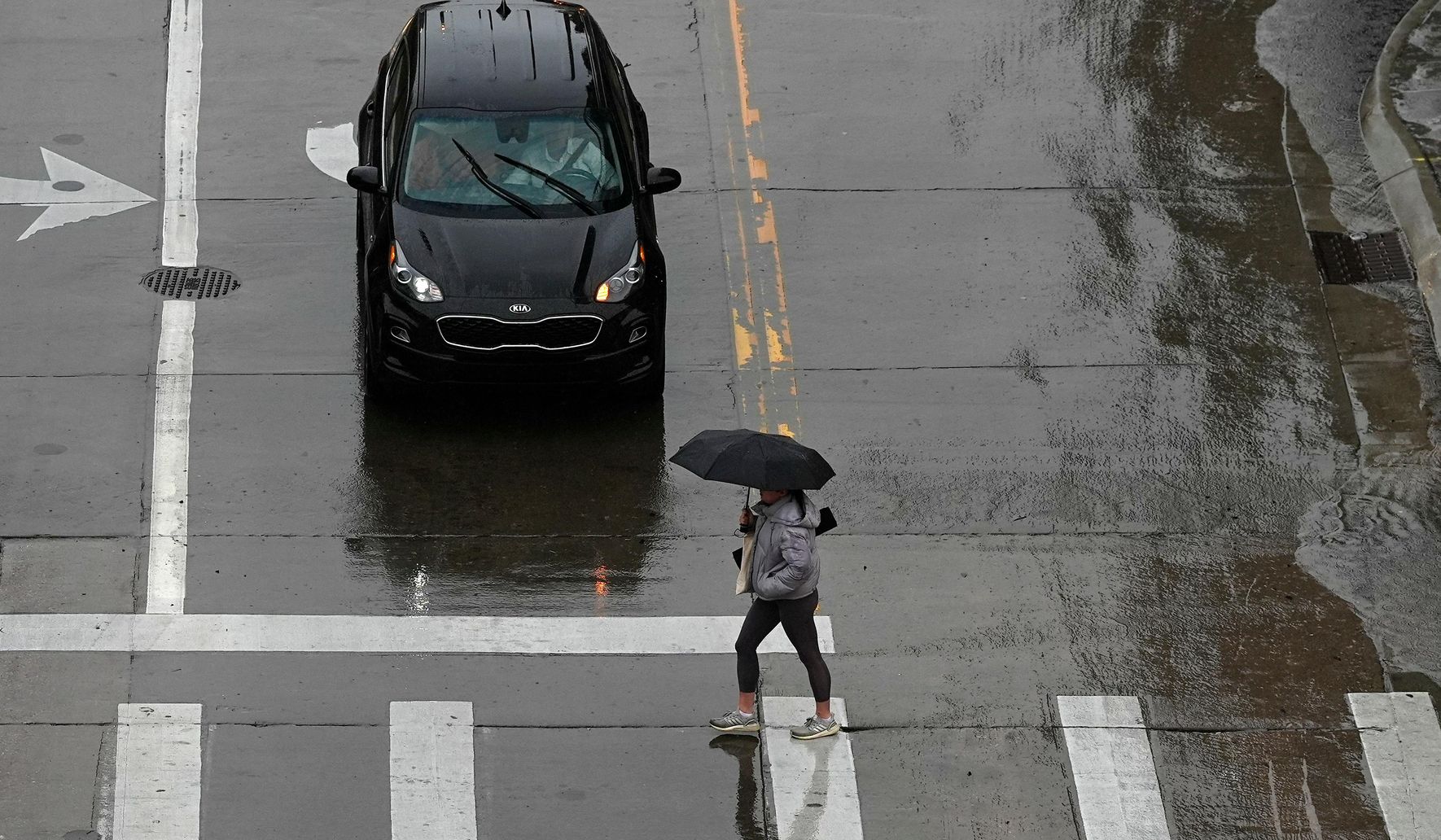
People and drivers trade tiny, automatic signals at crosswalks, blending legal rules, safety instincts, and quiet social agreements that shape how we move through streets every day.
The driver stops. You lift a hand, or nod, and keep walking. It takes half a second and you probably do it without deciding to. That fleeting exchange is built on habit, expectation, and an unspoken rulebook most of us never learned in a classroom.
On paper, traffic law often lays out clear duties: who must yield, where pedestrians may cross, and the penalties for not obeying signs. In practice, though, the scene at a crosswalk is a negotiation between two people who are both trying to be predictable. Courtesy fills the gaps where law and design leave ambiguity.
Design plays a big role in those split-second choices. Painted lines, signals, and curb ramps send messages about who has right of way, but visibility, weather, and the angle of an approach matter more than an ordinance. When drivers slow and make eye contact, they replace uncertainty with a human cue that most pedestrians interpret as permission to proceed.
Risk is usually the real background music of these interactions. Drivers gauge speed and distance while pedestrians measure intention and willingness to stop. Both sides run quick mental simulations: will the car actually brake, or is it rolling through? Those mental checks are what turn abstract rules into decisions people can act on.
Culture shapes the default response at crossings. In some places, drivers almost always stop, so pedestrians step out confidently. Elsewhere, walkers wait for a clear signal or a raised hand before they move. These local habits are reinforced every time someone chooses caution or courtesy, creating a feedback loop that sets expectations for everyone.
Technology and enforcement also influence behavior. Automated cameras, stricter tickets, and public campaigns push drivers to obey, but they don’t eliminate the subtle social dance. When a driver knows enforcement is likely, the pause at a crosswalk becomes more consistent; yet the small rituals—nodding, gesturing, eye contact—persist because they feel human and immediate.
There are practical tricks that reduce friction without changing laws. Slowing earlier, making clear signals, and positioning a car so the pedestrian can see the driver’s face all lower confusion. Likewise, pedestrians who avoid sudden steps into traffic and who make themselves visible reduce the chance that courtesy will be misread as consent.
What happens when the script breaks is telling: hesitation invites risk, and misread gestures can escalate into honking, shouts, or worse. Simple misunderstandings are common, but consistent behavior—by drivers and walkers alike—reduces the need for those confrontations. Predictability is the everyday safety device most cities already carry.
The social compact at crossings is rarely formal, yet it reliably shapes thousands of interactions each day. People trade small signals because it works, and because it adds a layer of accountability that neither signs nor cameras can fully provide. Those tiny, shared moments keep streets moving more smoothly than rules alone ever could.

