

Democrats’ Senate hopes in New Hampshire are running into resistance as a sitting Democrat faces organized opposition, skeptical voters, and growing Republican energy that could tip a tight Senate map.
Voters in New Hampshire are sending clear signals that complacency won’t carry a Senate seat. Local campaigns and activists on the right have sharpened their message and mobilized where it counts: doors, phones, and ballots. The state’s famously retail politics means momentum can shift fast and without warning.
“Complacency turns into panic.” That line captures the mood in many Democratic circles as the calendar moves closer to major contests. What looked like an easy hold is now a test of how quickly a party can respond when voters grow restless. Reaction time matters when margins are thin and attention is scarce.
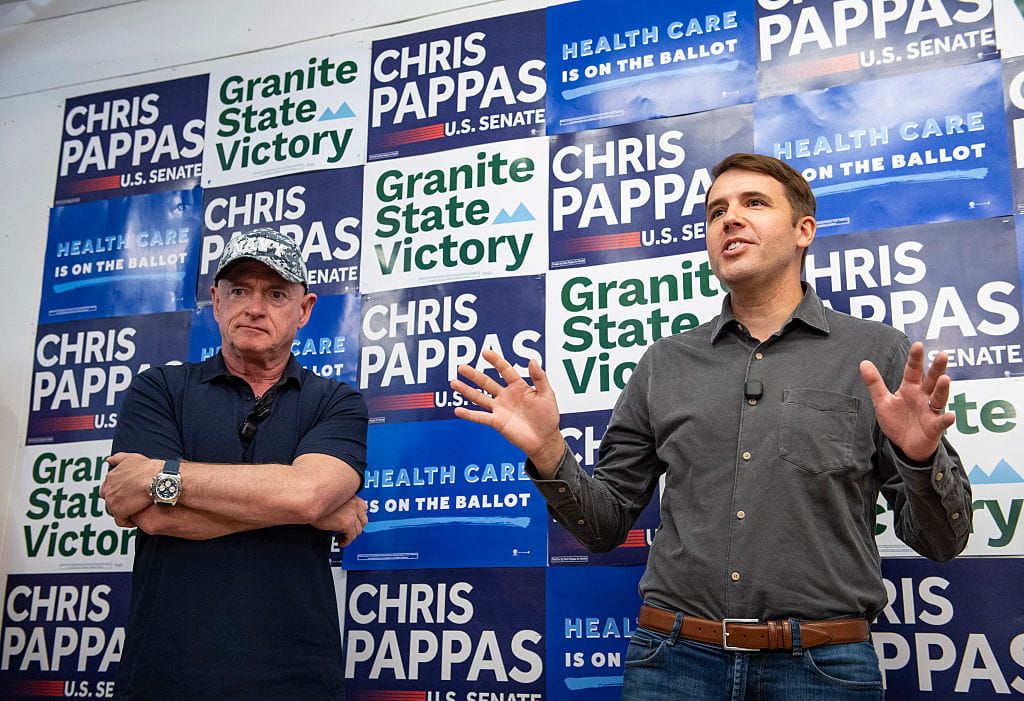
Representative Chris Pappas finds himself under scrutiny as New Hampshire voters weigh national frustration against local incumbency. The lawmaker’s record and alignment with national Democratic priorities are being framed by opponents as out of step with everyday concerns. This is a classic battlefield: an incumbent who must defend both Capitol votes and local ground.
Republican organizers are leaning into issues that resonate across party lines, emphasizing pocketbook concerns and pragmatic governance. Their approach is to keep the argument simple and relentless, focusing on topics most voters notice at the grocery store and the gas pump. That steady, focused messaging is paying dividends in volunteer recruitment and turnout plans.
Fundraising patterns and ground-game investments are already telling a story about where national parties think the fight will be. Dollars flow to races seen as winnable, and New Hampshire’s seat is attracting attention on both sides of the aisle. When money and manpower turn up in a state known for shaking up expectations, national control of the Senate is suddenly a real possibility again.
On the ground, candidates are back to using the tools New Hampshire voters respect: town halls, diner visits, and face-to-face conversations. That retail atmosphere punishes mistakes and rewards authenticity, and it gives organized challengers a real shot at peeling off undecided or soft-support voters. Campaigns that treat the state like a checkbox rather than a community will pay a price at the ballot box.
Democrats facing this pressure are juggling messaging and resource allocation, trying to stem the tide without abandoning broader national themes that helped them win elsewhere. The balancing act is difficult when voters are motivated by immediate concerns rather than abstract ideology. How the party recalibrates will determine whether this seat remains secure or flips in a tight Senate math scenario.
For Republicans, the opening is clear: concentrate on turnout, sharpen contrasts on policy, and exploit any weakness the incumbent shows on bread-and-butter issues. That strategy doesn’t require dramatic reinvention, just disciplined execution and persistent presence. In a state where margins matter, disciplined organization often outperforms flashy national ads.
What to watch next are the small signals that become big headlines: fundraising surges, volunteer counts, primary dynamics, and the tenor of late-stage debates and town halls. Each one can alter expectations and force rapid strategic shifts. In a contest with national implications, New Hampshire’s voters are reminding everyone that elections are earned the hard way, not taken for granted.

