

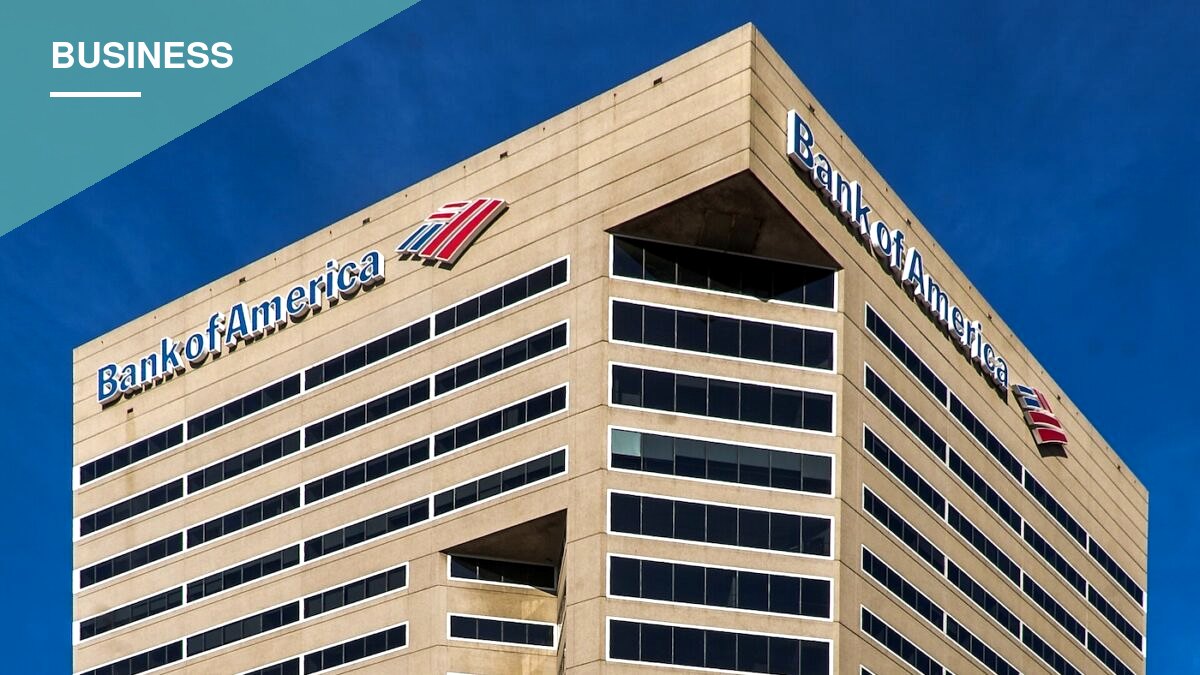
The U.S. Treasury Department has fined Bank of America more than $1.2 billion for failing to meet anti-money laundering and sanctions requirements, the largest penalty ever levied by the Office of the Comptroller of the Currency and one of the three largest in Treasury history.
Treasury found that from 2018 to 2025, Bank of America willfully neglected core requirements of the Bank Secrecy Act. Its anti-money laundering program was inadequate, and the bank significantly delayed filing Suspicious Activity Reports. Regulators said revenue considerations took priority over compliance, leaving suspicious activity unexamined for long stretches.
As a result, the bank failed to report more than $5 billion in transactions in a timely manner. Over $1 billion of that total involved elevated national-security risks, including activity consistent with Chinese money-laundering networks, fraud schemes, and trade-based movements tied directly to the southern border.
How the Laundering Networks Work
The fine is part of a broader Treasury push against Chinese money-laundering networks, which have become a leading method for moving proceeds from Mexican cartels, including fentanyl traffickers. These networks pair U.S. cash from drug sales with Chinese clients trying to move money abroad despite Beijing’s $50,000 annual capital-control limit.
A cartel-linked broker in the United States matches dollars with a Chinese customer through WeChat. The customer sends the equivalent in yuan, plus a fee, into an account the network controls inside China. In return, the customer or a relative gains access to the dollars already sitting in a U.S. bank account. The yuan left in China can then be used to buy fentanyl precursor chemicals or goods shipped to Mexico, sold, and converted into cash for the cartels. Former Justice Department official Craig Timm has called these networks one of the principal global methods for laundering illicit funds.
“When a bank of this size fails to meet its anti-money laundering and sanctions obligations, the consequences extend far beyond its own walls, exposing the entire U.S. financial system to significant illicit finance risks,” said Treasury Secretary Scott Bessent.
Bank of America is not alone. In 2024, TD Bank’s U.S. unit agreed to more than $3 billion in penalties after pleading guilty to Bank Secrecy Act violations and conspiracy to commit money laundering. Prosecutors said Chinese networks moved hundreds of millions through TD, including one group that handled roughly $653 million “consisting of narcotics and other illicit proceeds.” Some employees reportedly accepted small gifts to overlook deposits.
A Pattern of Misplaced Priorities
A separate OCC review found that Bank of America, TD Bank, and seven other major U.S. institutions restricted or terminated relationships with conservative organizations, religious groups, and lawful businesses based on political or religious views — even as billions in suspicious cartel-linked transactions went unreported for years.
In one case, TD objected to a pandemic-relief loan for a nonprofit after the Southern Poverty Law Center labeled the group a “hate group” over its immigration stance; the organization withdrew its application. Bank of America dropped private-prison and detention-center customers during the Biden administration, citing reputational risk, then sought to reengage with a similar customer months into the following administration — a reversal the OCC described as political “whipsaw.”
Separately, an FBI whistleblower has said that after Jan. 6, 2021, Bank of America handed the bureau a list of customers who had used its cards in the Washington, D.C. area around that date, without any legal process requiring it. The bank maintained the step complied with its Bank Secrecy Act obligations.
For a national readership that includes Texans living along the trade corridors cited in Treasury’s findings, the records raise a pointed question about priorities: large banks applied intense scrutiny to lawful but politically disfavored customers while letting billions tied to fentanyl proceeds and other illicit networks move through the system unreported for years.

