

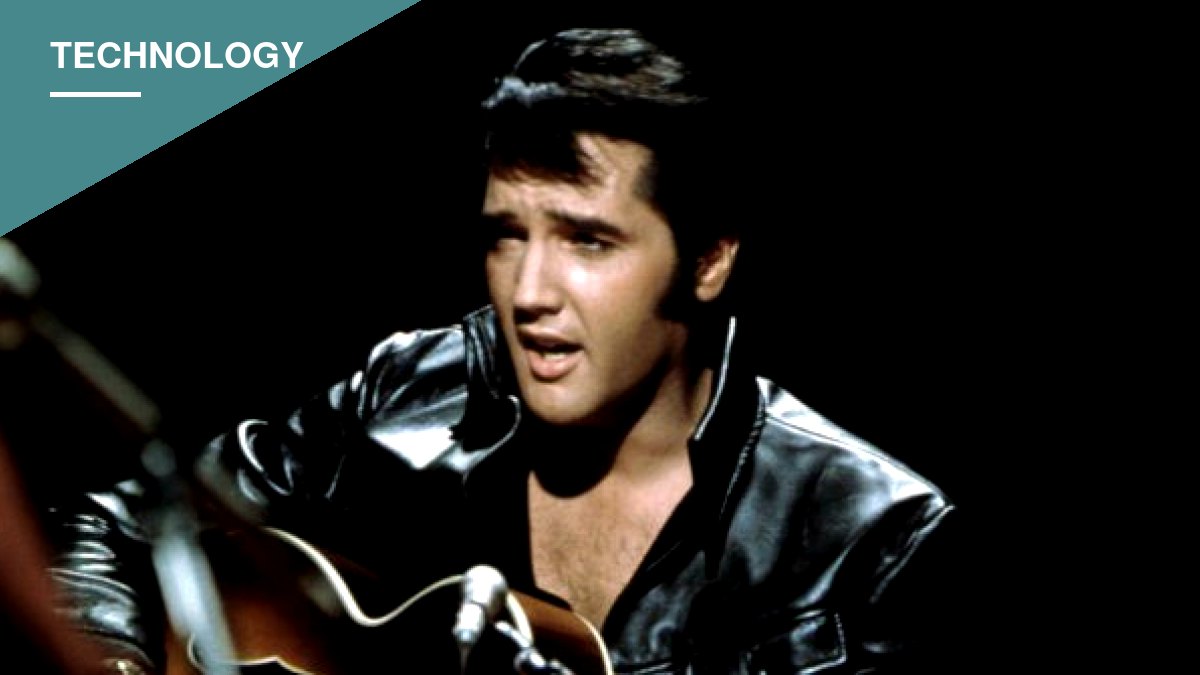
A company controlling Elvis Presley’s music catalog has sued Anthropic, alleging the AI firm used 274 of the late singer’s songs without authorization to train its Claude chatbot.
The lawsuit was filed by a unit of Authentic Brands Group, which holds Presley’s song catalog along with his trademarks and name, image and likeness rights, according to Billboard. Other holders of rights to Presley’s music joined the suit as co-plaintiffs.
Among the songs named in the complaint are “Can’t Help Falling in Love,” “A Little Less Conversation,” “Don’t Be Cruel,” “All Shook Up,” “Return to Sender” and “(You’re The) Devil in Disguise.”
Richard Busch, the lead attorney for the Presley estate plaintiffs, wrote in the filing that the suit was brought “to enforce these exclusive rights against the defendant that has built its entire business model based on copyright infringement at a scale never seen before.” He added, “The Elvis Plaintiffs are deeply protective of these iconic songs.”
The complaint describes the songs as “some of the most groundbreaking, revolutionary, influential, and enduring musical compositions in human history,” and claims Anthropic’s training process generated “unlicensed derivative works.”
Industry observers say the case is the most prominent AI copyright lawsuit filed on behalf of an individual musician to date. Anthropic did not respond to a request for comment on Saturday.
Busch has a track record in major music copyright fights. He represented Eminem in digital download disputes in the 2000s and represented Marvin Gaye’s estate in its case against Robin Thicke and Pharrell Williams over “Blurred Lines,” which a jury found had borrowed from Gaye’s “Got to Give It Up.”
Part of a broader legal reckoning
The Presley estate’s suit adds to a growing pile of litigation against Anthropic over its AI training practices, including prior suits brought by music publishers. Universal Music Group and other music companies have filed similar claims against AI developers.
Suno, a prominent AI song-generation company, was sued in 2024 by all three major music companies over its training methods. Suno settled with Warner Music Group last year but remains in litigation with Universal Music Group and Sony Music.
AI companies have generally defended these practices by arguing their training processes fall under copyright’s fair use doctrine. That legal question remains unresolved and is now central to dozens of pending cases nationwide, with potential damages running into the billions of dollars.
The outcome of these fights carries consequences for every author, musician, and media company whose work may have been swept into AI training data without consent or compensation.

