

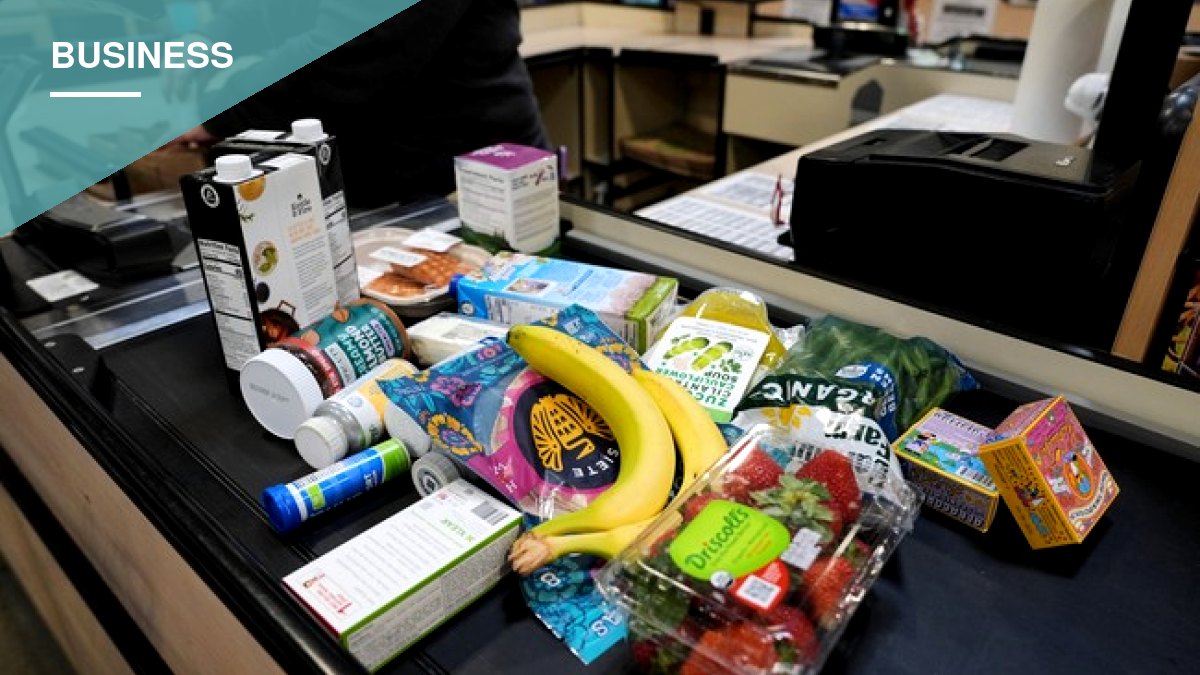
As grocery prices remain a top concern for consumers, the Trump administration and its allies are pointing to regulatory and competition policy — not just farm prices — as the real drivers of what Americans pay at checkout.
The argument centers on the full chain of costs behind a box of cereal or a package of chicken: fertilizer, fuel, processing, packaging, refrigeration and transportation all add up before food reaches a shelf. Recent polling cited in support of this view found that 82 percent of Americans support cutting regulations on farmers and protecting farmland, while 78 percent agreed that lowering energy costs can lower grocery costs.
Fertilizer and Energy Costs
Fertilizer is one of farmers’ largest expenses, accounting for an estimated 33 to 45 percent of corn and wheat farmers’ operating costs. Because natural gas is a key input in nitrogen fertilizer production, fertilizer prices are closely tied to energy policy.
Agriculture Secretary Brooke Rollins addressed the issue in March, saying: “Because of the president’s focus on energy, and energy independence, we’re actually, in America, in a much better situation on the pricing of fertilizer than almost the rest of the world. So that’s all really good news that you pivot to. But there’s still so much to do. We gotta reshore our fertilizer back into America, we’re going to be working on that, for the long term.”
Processing and Regulatory Changes
Costs added after food leaves the farm — processing, manufacturing, wholesaling, retailing, labor, diesel and electricity — make up a substantial share of what consumers ultimately pay.
In March 2025, the USDA extended waivers allowing participating pork and poultry plants to run at higher processing speeds and dropped a requirement to submit what the department called redundant worker-safety data, while keeping food-safety standards in place. In August, President Trump called for expanding processing options available to farmers and ranchers, aiming to give producers more buyers for their products and give consumers more suppliers to choose from.
Competition Enforcement
In May, the Justice Department under the Trump administration announced a settlement with Agri Stats targeting the exchange of sensitive information among competing meat processors. The DOJ alleged the arrangement allowed companies to coordinate production decisions and price increases. The settlement restricts nonpublic pricing reports and other information-sharing practices; Agri Stats denied any wrongdoing.
Farmland Ownership
The availability of farmland is also part of the picture. Taking land out of agricultural use reduces the acreage available for farmers to buy or lease, which can raise the cost of starting or expanding a farm operation. Foreign ownership adds another layer of concern about who controls that land. The USDA reported 46 million acres of foreign-held agricultural land in the United States at the end of 2024, with some of that land slated for conversion from farmland to manufacturing use.
Taken together, these policy moves — on energy, processing rules, antitrust enforcement and farmland — form the administration’s case that reducing the cost of producing food, rather than price controls or subsidies, is the more durable path to cheaper groceries.

