

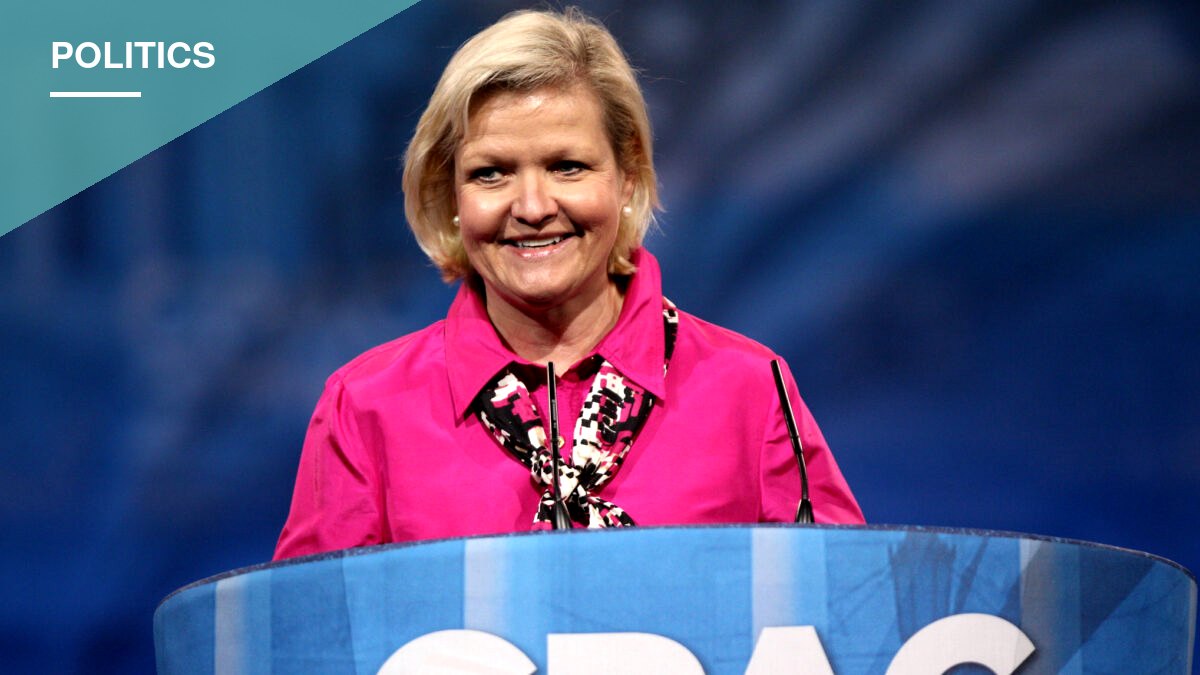
A lengthy ProPublica investigation published Wednesday set out to scrutinize Cleta Mitchell, the election lawyer who founded the Election Integrity Network (EIN), but the roughly 7,600-word piece largely documents how effectively Mitchell built a national organization rather than uncovering wrongdoing.
The outlet, which interviewed dozens of people and examined Mitchell’s family background, centers its critique on the fact that Mitchell, 76, organized activists and donors around concerns about ballot security and turned those concerns into sustained policy work. ProPublica wrote that “No one besides Trump himself has done more than Mitchell” to make the administration of elections a central political battleground.
Mitchell founded EIN after the 2020 election, when many Republicans moved on from disputes over that contest’s irregularities. The network began with chapters in seven swing states and has since grown to 26 states, expanding, according to ProPublica, both by starting new chapters and by absorbing existing groups already doing similar work.
Training Citizens, Building Infrastructure
Through EIN, Mitchell ran a multi-state training tour teaching conservatives election rules, poll-working procedures, and how to join local election boards, reportedly distributing 20-page manuals to participants. ProPublica described this effort as Mitchell deciding she “needed an army,” a movement large enough to challenge what she viewed as an election system favoring Democrats. Mitchell has described the resulting network as “infrastructure to do hand-to-hand combat with the Left, starting at the local level.”
ProPublica reported that EIN members later took positions in the second Trump administration focused on election integrity and security.
Policy Wins and Fulton County
Among EIN’s successes is legislation in 29 states banning private election-administration funding of the kind known as “Zuckbucks” — the more than $400 million Mark Zuckerberg and his wife, Priscilla Chan, directed into 2020 election administration through nonprofits such as the Center for Tech and Civic Life. Those funds flowed into local election offices in battleground states and were used to shape how elections were run and to drive turnout.
ProPublica also credited Mitchell with helping renew federal interest in examining 2020 election fraud allegations, which it linked to the FBI’s investigation into Fulton County, Georgia’s 2020 presidential election. This past winter, the FBI seized hundreds of boxes of ballots and related materials from Fulton County. The affidavit used to obtain the search warrant, approved by a federal magistrate, cited post-election audit findings of “chain of custody issues, ballots left unattended, unsealed bags being used, and auditors not recording seal numbers on ballot bags.” An earlier independent monitor had separately described Fulton’s absentee ballot process as “extremely sloppy and replete with chain of custody issues.”
Money and Influence
ProPublica reported that Mitchell has helped direct more than $70 million over four years into election-integrity work, including funding for her own organization as well as allied policy groups, researchers, law firms, and advocacy organizations. The outlet described her as the “go-to election lawyer for Republican politicians” and a “masterful and aggressive backroom negotiator and strategist” willing to take on causes other GOP attorneys avoid.
Mitchell told ProPublica she was aware the outlet disliked her, a sentiment reflected throughout the piece. Yet the reporting itself amounts to a detailed account of how one organizer translated grassroots concern about election administration into durable legislative and institutional change.

