

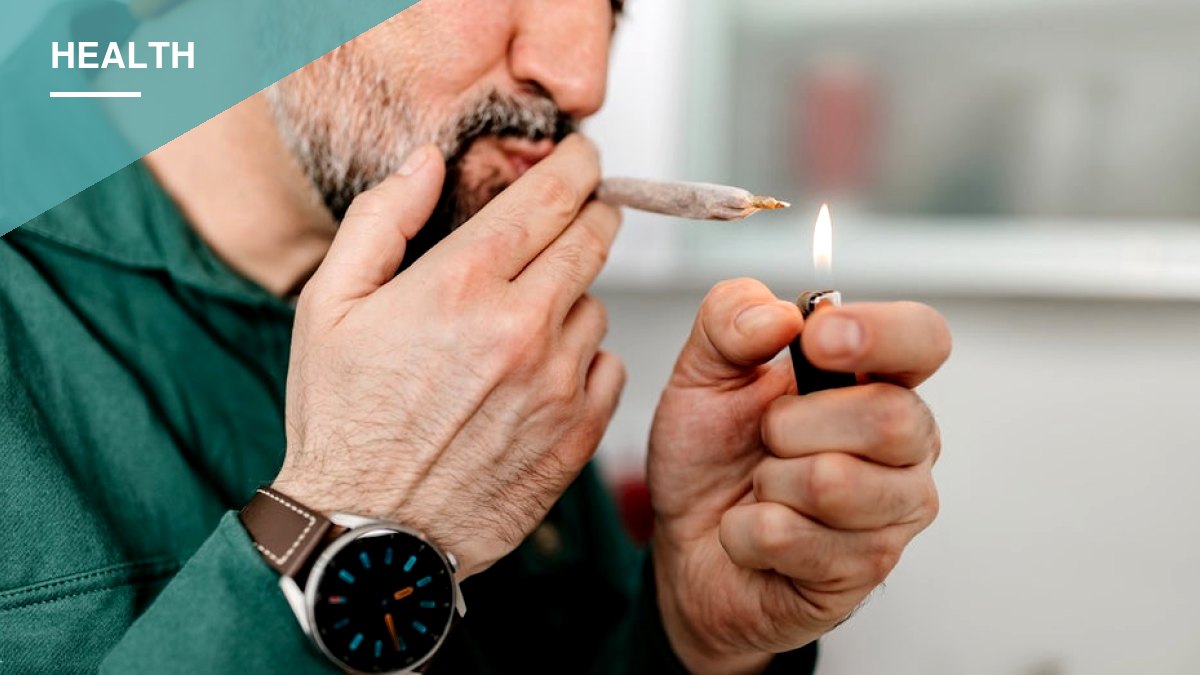
A study of nearly 450,000 American adults has found that both occasional and frequent marijuana users report higher rates of stroke and cardiovascular disease than people who don’t use cannabis at all. The research is set to be presented at the American Heart Association’s Scientific Sessions 2026 in Chicago, Nov. 6-9.
Researchers drew on survey data collected between 2020 and 2024 through the CDC’s Behavioral Risk Factor Surveillance System. People who used cannabis one to five days a month had 23% higher odds of reporting a history of cardiovascular disease than non-users. Those using it 16 to 30 days a month had 21% higher odds.
“This study raises important concerns about cannabis use and cardiovascular health, particularly stroke,” said Dr. Kristen “Nicke” Worth, an Ohio-based physician and medical adviser at NuggMD, a telehealth platform for medical marijuana evaluations, who was not involved in the research.
The stroke numbers followed an unusual pattern. Low-frequency users — those using cannabis just one to five days a month — reported 40% higher odds of a previous stroke, while heavy users reported 25% higher odds. The study found no statistically significant link between cannabis use and heart attacks.
“One finding I found particularly interesting was that people who used cannabis just one to five days per month had somewhat higher reported odds of a previous stroke than people who used it more frequently,” Worth said. “That isn’t what we’d necessarily expect from a straightforward dose-response relationship, where greater exposure is associated with greater risk. But we shouldn’t interpret this as evidence that heavier use is safer.”
The method of consumption — smoking, vaping or edibles such as gummies — did not change the findings, according to the research team.
“We were surprised to find that the link between cannabis use and cardiovascular disease was not straightforward,” said lead author Dr. Aabha Divya, an assistant professor of cardiothoracic surgery at Tulane University School of Medicine, in an AHA press release. “We expected that the chances of heart disease would gradually rise as people used cannabis more often, but that wasn’t the case. Both low-use and heavy-use groups had higher odds of developing heart disease.”
The research arrives as cannabis use climbs nationwide. About one in six adults reported past-month cannabis use in 2024, up from one in 10 in 2020 — a 51% increase over four years, according to the research team.
Dr. Robert L. Page II, a professor of clinical pharmacy at the University of Colorado and an American Heart Association volunteer expert who was not involved in the study, said the results undercut a common assumption.
“In patients who use both, cannabis has always been considered an innocent bystander; however, this is not the case,” Page said in a press release. “Overall, cannabis is beginning to emerge as a major contributor to premature heart disease in young and older adults, which can lead to serious cardiovascular events.”
Page said physicians should ask patients about marijuana use the same way they ask about cigarettes and alcohol.
The researchers flagged significant limitations. The study was observational and captured data from a single point in time, so it can show only a statistical association, not proof that cannabis causes heart disease or stroke. The data came from telephone surveys, which leaves room for recall errors about diagnoses and drug use, and researchers did not track product strength, THC potency or total amounts consumed. The findings are preliminary and have not yet gone through full peer review.
“For patients, I wouldn’t recommend making abrupt treatment decisions based on one preliminary study, but I wouldn’t dismiss these findings,” Worth said. “People should not discontinue prescribed cardiovascular medications because of this report. Anyone using cannabis, medically or recreationally, should discuss their cardiovascular history, existing risk factors, medications and treatment alternatives with their healthcare professional.”

