
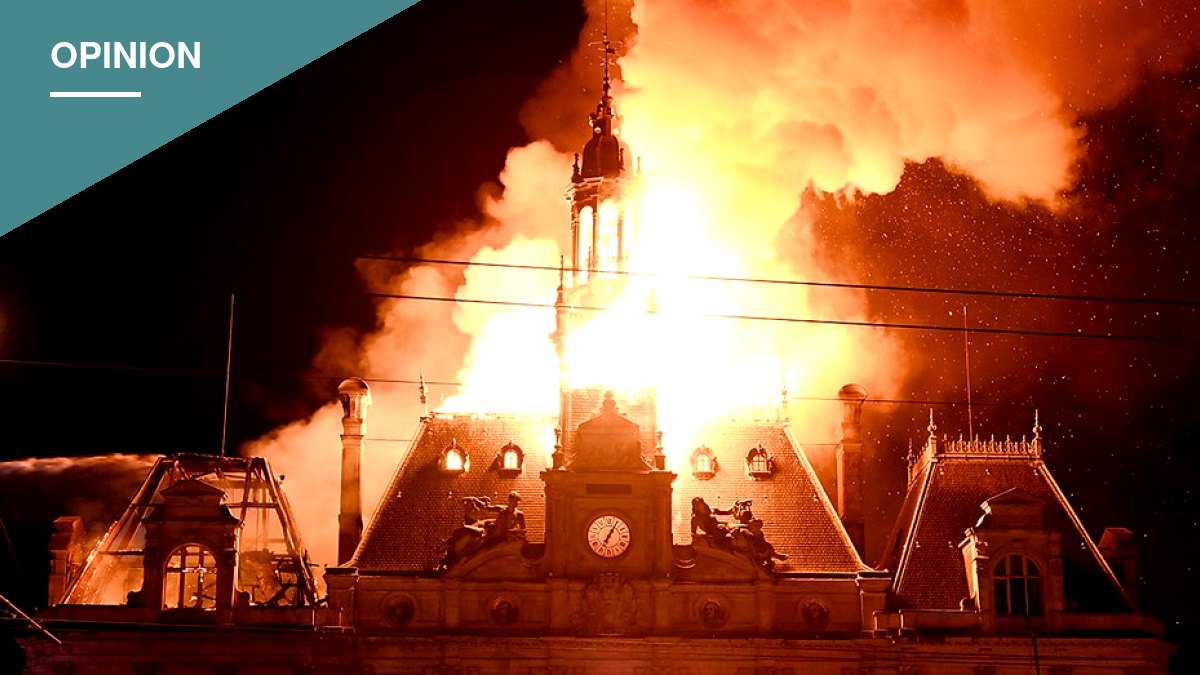
Street protests over the cost of living have flared across France, Italy and Belgium in recent weeks, with crowds demonstrating over wages, housing and government finances. In Italy, tens of thousands of workers and students have marched over wages, housing affordability and economic prospects, prompting Prime Minister Giorgia Meloni to condemn what she called “gangs of thugs” after some demonstrations turned violent. In Brussels, thousands of people flooded the streets in anti-austerity protests that escalated into clashes with police.
Commentary from Fox News contributor Ted Jenkin argues the unrest reflects a gap between official economic statistics and what ordinary households actually experience at the kitchen table, and warns the United States should take note.
Statistics versus the household budget
Jenkin points out that falling inflation does not mean falling prices. A drop in the inflation rate from 8% to 3%, he writes, means prices are rising more slowly, not that costs have returned to where they were. Wages may rise even as insurance premiums, property taxes, utilities and rent rise faster, leaving people feeling poorer even as they earn more.
He describes financial pressures facing American families: young couples struggling to save for a down payment as housing costs climb, parents managing childcare, groceries, college costs and health insurance on otherwise solid salaries, and retirees watching property taxes and insurance premiums erode fixed incomes and Social Security checks. In his telling, credit cards increasingly function as emergency funds and buy-now-pay-later schemes have become informal household budgeting tools.
The debt question
Jenkin draws a connection between France’s fiscal troubles and the United States’ own balance sheet, noting that federal debt has now crossed $40 trillion. He argues that when governments carry that much debt, interest payments increasingly compete with spending on services, narrowing the room to respond to future economic shocks without raising taxes, cutting spending or borrowing more — decisions households ultimately live with.
He frames his central question for policymakers this way: after a family pays for housing, food, transportation, healthcare and utilities, how much money is actually left over — not how much wages rose on paper, or how many points inflation fell, but what remains to save, invest or handle an emergency without going into debt.
Not every demonstrator in France, Italy or Brussels is protesting strictly over household bills, and Jenkin notes most are not rioters. But he argues the financial frustration driving the marches is real and durable, and that when people stop believing hard work guarantees a reasonable standard of living, that frustration does not stay contained indefinitely.