
Washington voters approved Initiative 638, which would require K-12 school sports to be separated by sex, by a 13-point margin once the Associated Press called the race with 88 percent of votes counted. Within days, senior state Democrats signaled they intend to challenge the result in court rather than let it take effect.
Rep. Pramila Jayapal spoke to the push before final results were even in, telling supporters at an election-night gathering: “We are going to take our state back. We’re going to start planning for how we overturn these bad initiatives and how we go back to loving everyone with gender inclusivity the way we have for decades.”
Washington State Democratic Party Chair Shasti Conrad followed two days later with a statement making clear the party does not consider the vote final. “While this result is incredibly disheartening, voters in Washington and across the nation rejected anti-trans candidates up and down the ballot,” Conrad said. “The fight over I-638 is just beginning. We believe this initiative is unconstitutional on its face and support organizations planning to challenge it in court.”
One of the groups weighing legal action is the Seattle-based Gender Justice League. Its executive director, Danni Askini, told public radio station KUOW the organization is exploring options. “We are having active conversations with our partners and also evaluating what legal options are available to us,” Askini said. “If there is an avenue, we will challenge this ballot measure in court on behalf of our members and our community and trans youth.”
Writer Robert Cruickshank, in an essay for The Bulletin in Seattle, drew a comparison to California’s Proposition 8, the 2008 ballot measure that banned same-sex marriage in that state, and laid out a two-track strategy for opponents of I-638: pursue the matter in court while also organizing a political campaign to repeal it.
A pattern of selective deference to voters
Legal challenges to ballot initiatives are a normal part of the American constitutional system, and nothing about filing suit against I-638 is procedurally improper. But the speed and unity with which Democratic officials moved to contest this particular result, after a margin that was not close, raises a fair question about how consistently the party treats election outcomes as binding.
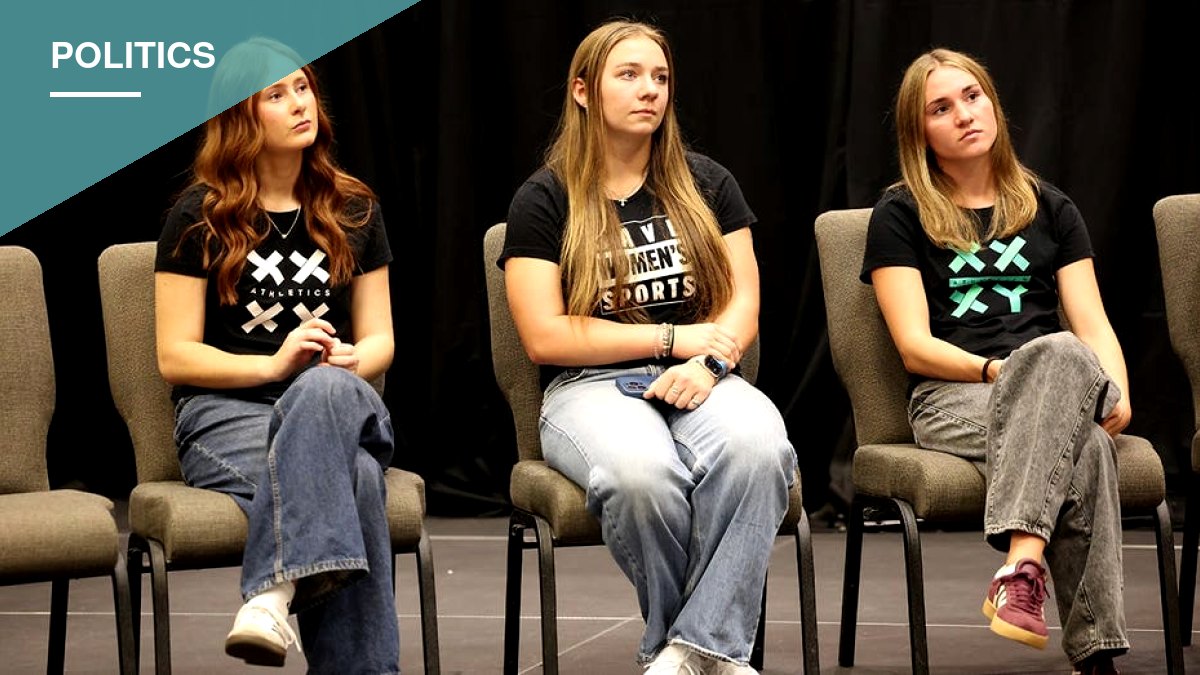
At the Washington state cross country finals held this past weekend, a transgender athlete who had switched to the girls’ team midseason competed, and several girls on the circuit said they were relieved the issue would not recur next season under the new initiative. Those voices, along with the broader electorate that approved I-638 by double digits, are now facing a coordinated effort by elected officials and advocacy groups to keep the measure from taking effect.