

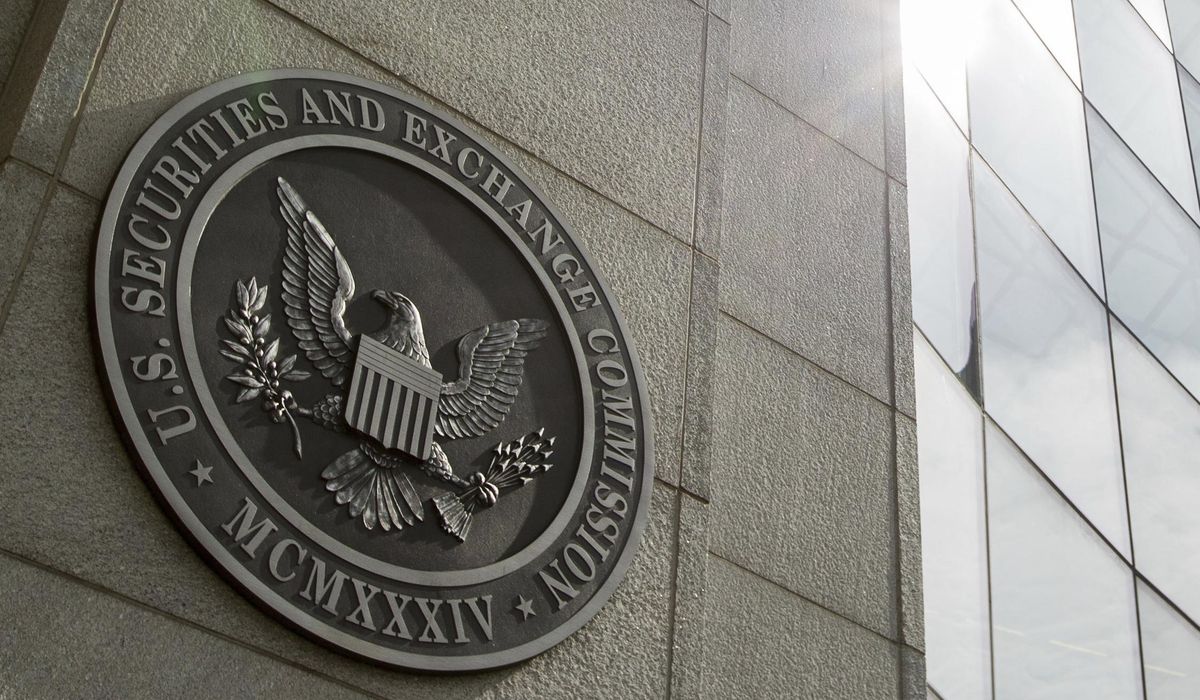
Americans for Paper Access lined up against Security Exchange Commission’s proposed regulation that would make e-delivery the default delivery for sensitive financial documents. The proposal raises questions about access, privacy, and government overreach. This article examines the issue from a perspective that favors choice, security, and respect for citizens who prefer paper.
Americans for Paper Access lined up against Security Exchange Commission’s proposed regulation that would make e-delivery the default delivery for sensitive financial documents. That simple fact puts a spotlight on a clash between digital convenience and the rights of people who still rely on physical mail. The debate is not just technical; it’s about who gets to decide how important information reaches ordinary Americans.
The Republican perspective here is straightforward: defaulting to electronic delivery removes choice and places undue burden on those who prefer paper. Government should protect individual freedom, not impose a one-size-fits-all rule. When regulators push defaults that favor tech, they often ignore people who lack reliable internet or who simply trust paper more.
Millions of Americans still get bills, statements, and legal notices on paper, and many explicitly choose it. Seniors, rural residents, and low-income households are more likely to face barriers to digital access. Making e-delivery the default risks disenfranchising those groups by shifting the effort and cost of maintaining paper delivery onto them.
Privacy and cybersecurity should be central to this conversation. Financial documents contain highly sensitive data that can become targets for hacks and identity theft when transmitted or stored online. Paper in a locked mailbox is not without risk, but systemic digital defaults increase exposure points and create concentrated targets for bad actors.
There are also practical problems with relying on emails and electronic portals as primary delivery methods. People change emails, lose passwords, or get locked out of accounts, and electronic notices can land in spam or go unread. A default that assumes flawless digital delivery ignores the messy reality of human habits and tech breakdowns.
Cost arguments from firms can be tempting, but savings should not trump consumer choice. Companies might save money by pushing e-delivery, yet those savings often come at the expense of customers who must take extra steps to retain paper. Policy should require equitable options rather than force a unilateral shift just because it’s cheaper for industry.
From a legal angle, the difference between opt-in and opt-out matters. Defaulting to electronic means an opt-out regime that presumes consent unless people act, which flips the burden onto consumers. For important financial communications, explicit informed consent should be the standard, not assumed acquiescence.
Regulatory goals can be achieved without stripping away paper options. Clear rules requiring easy, no-cost paper requests and robust verification of electronic delivery could protect consumers while allowing digital choices. Those safeguards would respect individual preference and reduce the chance that someone misses vital information because of a technical hiccup.
There is a wider constitutional vibe to consider when agencies push technical defaults. Government actions that alter how private parties exchange information deserve extra scrutiny when they affect access to financial records and legal notices. A free society protects private choices about how to receive important documents unless there is a compelling, narrowly tailored reason not to.
Implementation details matter, and they are where consumer protections can be strengthened. If regulators insist on enabling e-delivery, they should demand clear notice, repeated confirmations, and easy, persistent ways to switch back to paper. Any default that stacks the deck against paper should come with strong procedural protections for those who need or prefer hard copies.
There’s also a fairness angle across generations. Older Americans built the wealth and institutions we all use, and many deserve the dignity of receiving paper records without extra hassle. Making digital the default risks turning a preference into a penalty for those who didn’t grow up online or who simply trust physical records more.
Market forces can help if rules force transparency rather than mandate a medium. Firms that offer both reliable e-delivery and simple paper options will win trust and long-term customers. Regulators should nudge markets toward honest competition, not lock consumers into a digital-first regime they didn’t ask for.
Enforcement and oversight will be critical if any default shift happens. Agencies need to monitor delivery failures, ensure data protection standards, and provide remedies when notices are missed. Without rigorous enforcement, promises of safe, effective e-delivery ring hollow for the people who end up harmed.
This debate is about more than technology; it’s about who decides how Americans receive critical financial information. Default rules that push people toward a single channel are a form of policy pressure, not neutral guidance. Standing up for paper access is about preserving choice, protecting privacy, and keeping government from favoring convenience over citizens.
Policymakers who care about liberty should rethink any regulation that makes paper second-class by default. Practical safeguards, easy opt-outs, and guaranteed no-cost paper options can balance innovation with fairness. The conversation should focus on protecting people, not imposing a new norm from the top down.

