

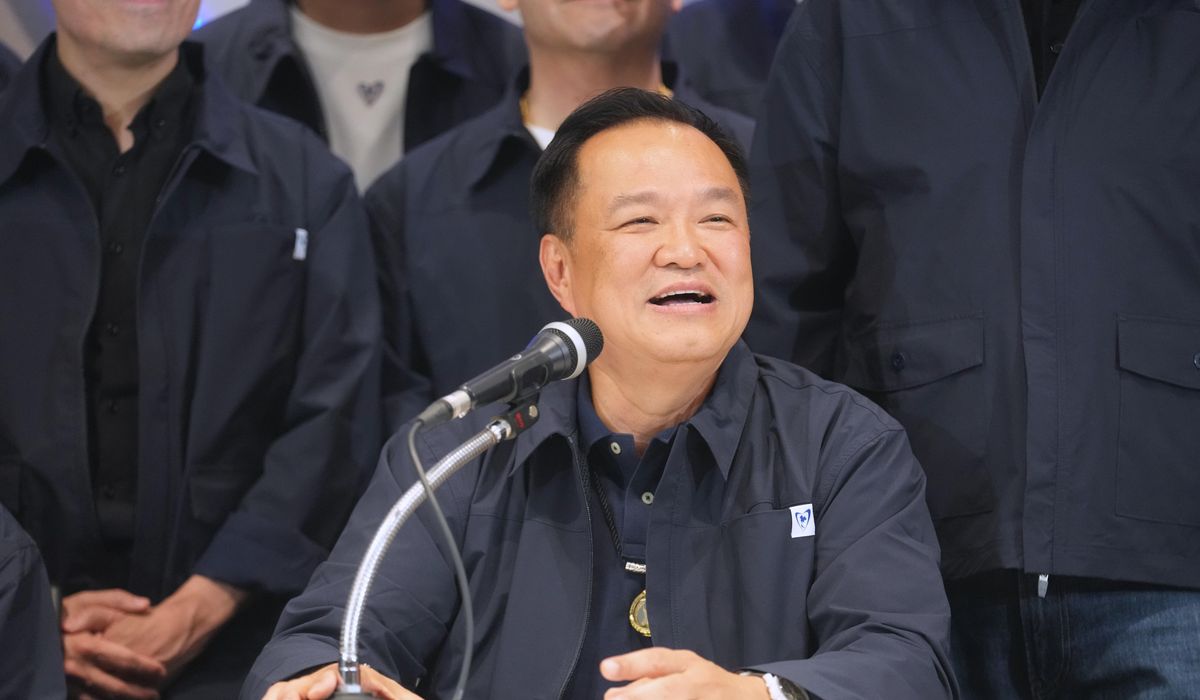
Prime Minister Anutin Charnvirakul, a royalist who favors Thailand’s politically powerful army, won the most seats in Sunday’s general elections and outmaneuvered his progressive rival.
The election outcome handed Anutin Charnvirakul a clear advantage at the center of Thailand’s shifting political map. Voters in many parts of the country showed a preference for order and continuity over rapid upheaval, giving the royalist camp the leverage it needed to assemble partners. That dynamic will shape coalition talks and policy priorities in the months ahead. Observers from many perspectives are watching how balance will be struck between reformers and establishment forces.
Anutin’s rise reflects a broader appetite for stability after years of turbulence and high drama in Thai politics. His public alignment with royal and security institutions reassures conservative voters who prioritize predictable governance. For business communities and investors, the promise of steady leadership is a signal to pause on flighty rhetoric and focus on practical results. Expect economic messaging to lean toward fiscal prudence and market-friendly steps framed within a law-and-order narrative.
The progressive challenger who ran on faster, bolder changes lost momentum at the ballot box, but the issues that energized their voters won’t vanish. Urban constituencies and younger demographics still press for modernization, digital opportunity, and expanded civil freedoms. That pressure creates a corridor for limited reforms that can be sold as pragmatic rather than revolutionary. Anutin and his allies are likely to pick and choose reforms that reinforce stability while undercutting the case for sweeping transformation.
Thailand’s powerful military and its historical role in politics remain central to how policy will be made and implemented. A royalist leader sympathetic to the armed forces is naturally easier for the military to work with on national security and institutional matters. From a Republican viewpoint, that alignment feels sensible: strong institutions, clarity in command, and national unity over partisan chaos. It also raises legitimate questions about how to keep civilian oversight robust and transparent as governance proceeds.
Coalition bargaining will decide which parts of the political program survive and which are sidelined. Parties that can deliver reliable votes and administrative experience will be in demand even if they lack a flashy mandate. This makes compromise the currency of stable government, not grand promises or headline reforms. Those bargaining dynamics will define legislative priorities and where money and attention flow first.
On the ground, voters care about pocketbook issues — jobs, prices, infrastructure and local services — rather than abstract constitutional debates. A government that keeps daily life functioning and supports business growth will build legitimacy fast. That practical focus should push leaders to prioritize tangible, implementable projects instead of ideological showdowns. It’s a reminder that competence matters as much as conviction in winning durable trust.
The international angle is important but manageable if handled with steady diplomacy and predictable policy. Foreign investors and partners want to see commitments kept and contracts respected, not headline-grabbing reforms that shift the goalposts. A conservative-leaning government can emphasize continuity in trade, security cooperation, and regional stability without pretending history never mattered. That posture reduces shocks and makes Thailand a more reliable neighbor and economic partner.
Democracy in Thailand will keep evolving as different forces test their claims at the ballot box and in the streets. The recent vote shows that the electorate values measured leadership, and that message will be central as new teams take office. Political competition remains healthy when it channels disagreements into institutions rather than chaos. The coming weeks of coalition talks and early policy moves will tell whether that promise of steady, competent government becomes reality or just another campaign line.

