

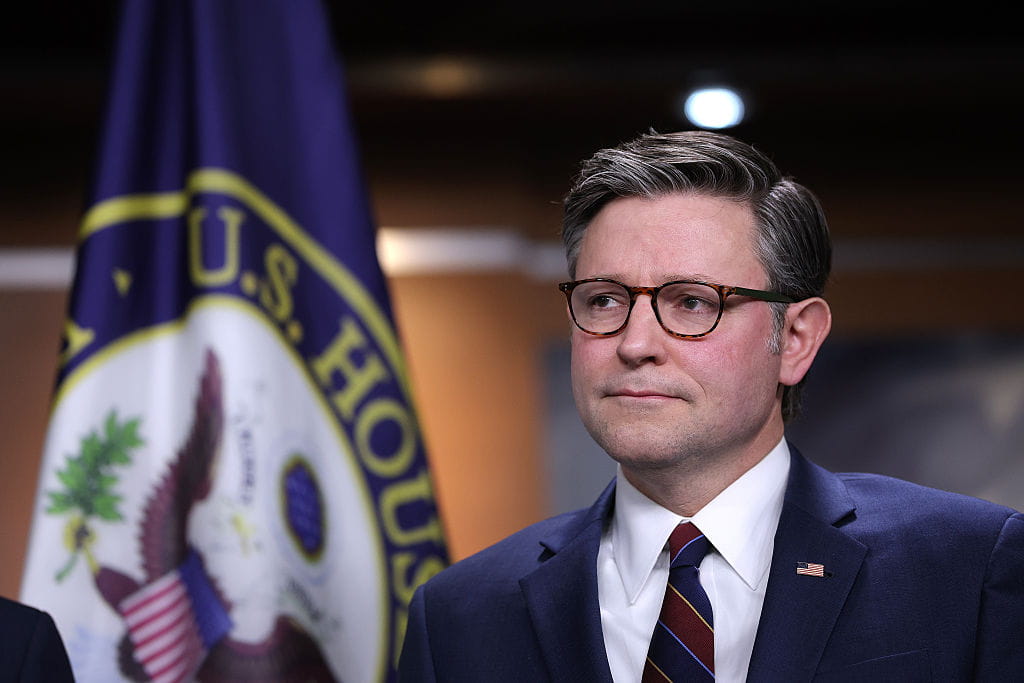
A fast-moving showdown over federal funding has exposed fractures inside Congress, with a White House and Senate compromise drawing resistance from members of both parties and threatening a clean path to keeping the government operating.
The deal President Donald Trump and Senate leaders struck was meant to lock in funding and avoid another shutdown, but it hit an unexpected snag when lawmakers in the House pushed back for different reasons. Republicans voiced concerns about spending levels and policy riders while Democrats warned that the package did not protect priorities they consider essential. That mix of objections turned what should have been routine into a high-stakes maneuvering session.
From a Republican perspective, the core complaint is simple. Many conservatives signed up for promises to restrain spending and safeguard priorities like border security, and when a compromise looks soft on those points they push back hard. This is not posturing for its own sake, it is a reaction to promises and expectations set during campaign season. Members are holding leadership accountable for delivering the kind of restraint voters demanded.
On the other side, some Democrats made clear they were uneasy because the deal did not secure their policy goals. That split makes sense in a polarized Congress, but it also complicates an already narrow margin for passing funding measures. When both parties see reasons to oppose a compromise, the risk of a short-term stopgap or worse increases quickly. Lawmakers then face a choice between pragmatic governance and scoring political points.
The functional risk is obvious and practical. Without a clear, broadly acceptable funding package, the government faces disruptions to programs and agencies that rely on timely appropriations. Federal employees, contractors, and recipients of federal grants feel uncertainty first, and that uncertainty has ripple effects across the economy. Republicans argue that stable funding is not just policy, it is a responsibility of governance.
Procedures in the House can amplify dissent. A small group can force votes, demand amendments, or withhold support to extract concessions. That’s how the process is supposed to work, but it can also stall sensible measures when ideological purity gets precedence over compromise. The leadership must balance satisfying its base and moving legislation that actually passes the Senate and reaches the president’s desk.
Messaging matters here as much as mechanics. Republicans want to make the case that the deal secures essential priorities and avoids the chaos of a shutdown while criticizing elements they see as unnecessary spending. Democrats counter by saying their concerns are about protecting programs and ensuring oversight. Both frames resonate with different voters, and lawmakers are acutely aware that public opinion will shape how this fight plays out.
Political calculations are in play, too. House conservatives see leverage in holding out for deeper cuts or stricter policy terms, especially if public opinion tilts toward fiscal caution. Moderates worry that deadlock will hurt constituents immediately, and they push for pragmatism. That tug of war creates openings for tactical votes that can reshape the final package, not always in predictable ways.
The president’s role is also central. President Donald Trump and Senate leaders presented the agreement as a way to steady the ship, and from a Republican viewpoint it is reasonable to rally behind an administration effort to keep government functions running. Yet presidential involvement does not automatically silence dissent in the House. Members still answer to their districts and their interpretation of conservative priorities, which can lead to clashes even with a party-aligned White House.
Looking ahead, the most likely near-term outcome is more negotiation, not sudden collapse. Lawmakers will trade amendments, floor offers, and informal assurances in search of a package that can clear both chambers. That process will be messy, and Republicans will be watching for real commitments on spending discipline and policy wins that matter to their base. Failure to secure those would keep the dispute alive.
Ultimately, the argument from the Republican side is about responsibility without surrender. Supporting a workable funding agreement means protecting essential services and national priorities while maintaining fiscal discipline. That balance is hard, but it is the yardstick conservatives will use to judge any final deal presented to the House.
While the immediate drama is political theater, the stakes are administrative and real. Congress is tested not by grand statements but by the votes it can finish, and a funding package that respects conservative principles and ensures government continuity would be the practical outcome many expect to fight for. The next steps will show whether leadership can translate negotiation into a durable agreement or whether dissent will force further concessions and delay.

