

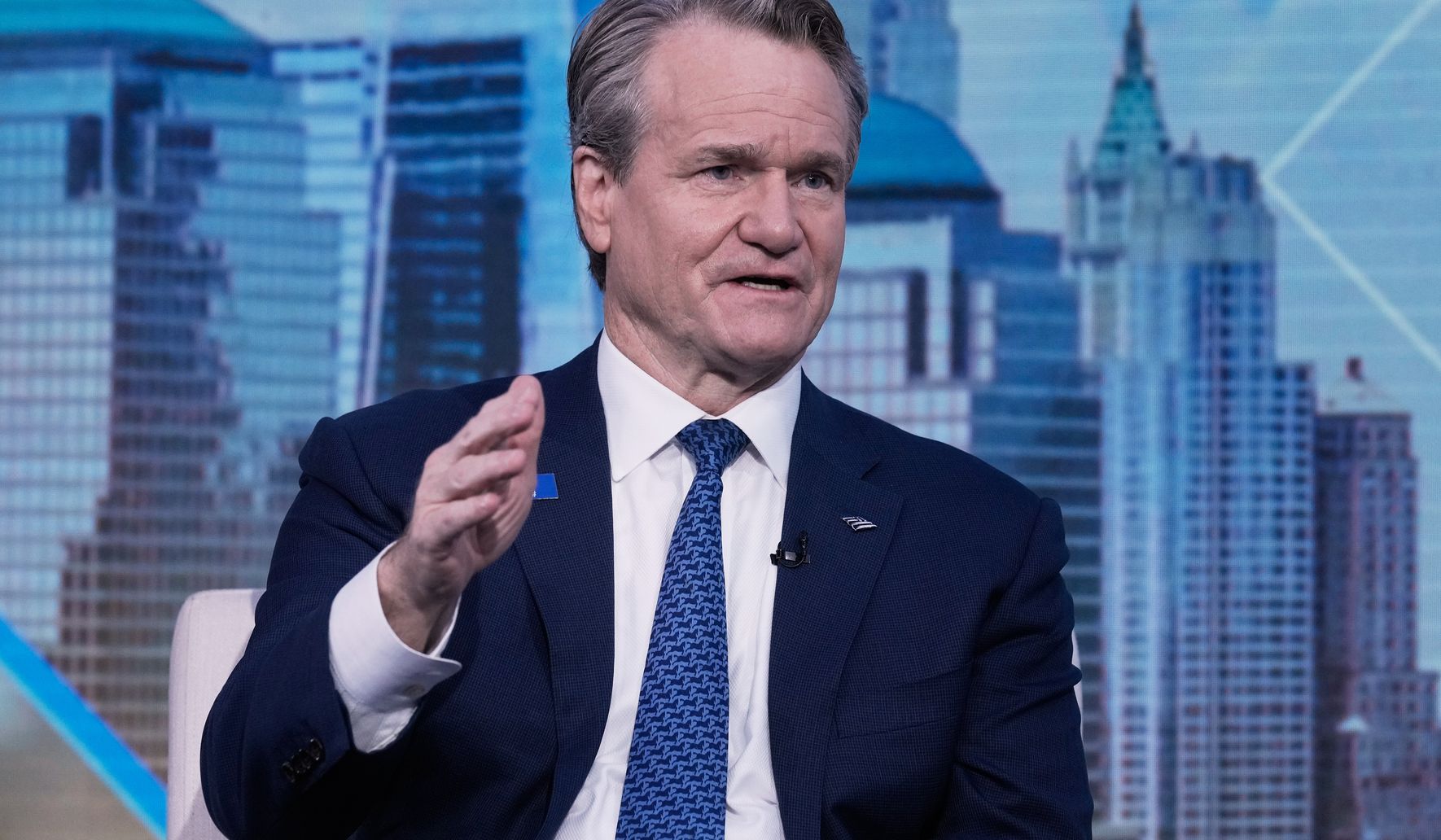
Bank of America Chief Executive Brian Moynihan says he is upbeat about the U.S. economy’s direction, even as many Americans report less confidence. The comments reflect a view from the financial sector that tracks hiring, lending and corporate activity differently than household sentiment. This piece explores that disconnect and what it means for spending, inflation and financial stability.
Brian Moynihan’s optimism comes from data and signals Bank of America watches closely: employment trends, lending demand and corporate balance sheets. From a bank’s lens, those indicators show resilience and gradual normalization after the shock of the pandemic. That doesn’t erase the fact that household-level experiences can lag behind broad economic measures.
Consumer confidence often moves on expectations and daily pressures such as grocery and energy costs, which can feel immediate and personal. Even when macro metrics look solid, higher prices for essentials squeeze budgets and alter spending patterns. Banks see slowing card volumes in certain categories and sustained activity in others, which points to mixed behavior across income groups.
Employment remains a central pillar in Moynihan’s take: a strong labor market supports income and credit performance. Payroll gains and low unemployment help keep defaults contained and allow consumers to carry more debt without immediate distress. But a tight labor market can also keep inflationary pressure alive, complicating central bank choices.
Inflation has been the headline worry for consumers, affecting perceptions even as inflation rates moderate compared with their peaks. For households that spend a big share of income on necessities, modest declines in headline inflation may not translate into noticeable relief. That reality can create a gap between headline numbers and lived experience.
From the lending side, Bank of America watches credit demand and quality across mortgages, cards and business loans. When credit demand is steady and delinquencies remain low, executives read that as a green light for economic momentum. Still, uneven recovery across industries and regions means bank results and consumer reality won’t always align perfectly.
Another angle Moynihan and peers consider is corporate cash flow and capital spending. Businesses that are investing in technology, hiring selectively, and expanding capital expenditures signal confidence in future growth. Those moves can drive productivity gains and wage growth over time, but benefits flow to the broader public unevenly and with delay.
Policy decisions add another layer of uncertainty: central bank rate policy, fiscal moves and global developments all shape the backdrop. Higher rates cool parts of the economy but protect against runaway inflation, a trade-off that influences both financial sector views and household budgets. How policymakers manage that balance will matter for whether the CEO’s optimism translates into everyday improvements.
For consumers, the path forward depends on how quickly wage gains, price relief and job stability converge into a noticeable uptick in living standards. Banks may see a healthier economic picture through aggregate data, while many families focus on monthly bills and near-term expenses. Recognizing that split helps explain why a leader at a major bank can be upbeat even when many people remain cautious.

